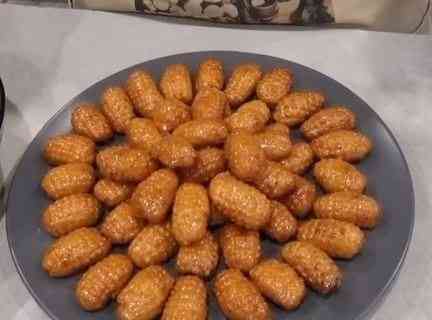
Category: Desserts

  • Kishk el Foukara (Lebanese Muhallabia)

    Kishk el Foukara (Lebanese Muhallabia)

    Kishk el foukara is a creamy Lebanese dessert made with milk pudding flavored with orange blossom water and layered with toasted nuts.
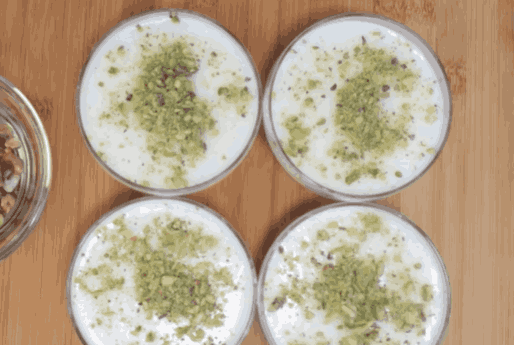
    Kishk el Foukara

    What Is Kishk el Foukara?

    Kishk el foukara (also spelled kishik el fukara) is a common Lebanese dessert with a name that translates to “kiosk of the poor”. The name likely refers to how simple and affordable the ingredients are, yet the result is very delicious and rich in flavor.

    In different regions of Lebanon, this same dessert is known by other names. Many call it “muhallabiyeh” or “muhallabia,” which is the broader Arabic term for milk pudding desserts found throughout the Middle East.

    What makes kishk el foukara special is the beautiful layering technique – the pudding and nuts aren’t just mixed together, but carefully alternated in layers. When you scoop through the layers, you discover pockets of walnuts, pistachios, and almonds nestled between the milk pudding.

    The secret ingredient that transforms this from ordinary pudding into something distinctly Lebanese is orange blossom water (mazaher or ma ward). This floral water, distilled from orange blossoms, adds a delicate, aromatic quality that’s absolutely essential to the authentic flavor. Without it, you just have plain vanilla pudding.

    If you love this kishk el foukara recipe, you’ll probably also enjoy Lebanese Rice Pudding (Riz bi Haleeb), Ashta (clotted cream), Knafeh (shredded phyllo with sweet cheese), Baklava, and Ma’amoul (stuffed date cookies)—all wonderful Lebanese sweets.

    Why You’ll Love This Kishk el Foukara Recipe

    Incredibly easy – Just five main ingredients and about 30 minutes of cooking time for an impressive dessert

    Nice aroma – The orange blossom water creates a delicate floral flavor that’s distinctly Middle Eastern

    Perfect dessert – Actually needs to be made ahead, so it’s ideal for entertaining

    Kishk el Foukara Recipe Ingredients

    Pudding Base

    5 cups whole milk – Whole milk is essential for the richest, creamiest texture. Don’t use low-fat or skim milk—you’ll end up with a thin, watery pudding. The fat content in whole milk creates that luxurious, velvety mouthfeel that makes this dessert so satisfying.

    5 tablespoons sugar – Just enough sweetness to balance the milk without being cloying. Lebanese desserts tend to be less aggressively sweet than Western desserts, letting the delicate flavors shine through. You can adjust this to taste, but start with 5 tablespoons.

    5 tablespoons cornstarch – This is what thickens the milk into pudding. Cornstarch creates a smooth, silky texture without the eggy flavor you’d get from custard. Make sure to mix it thoroughly with the cold milk before heating to prevent lumps.
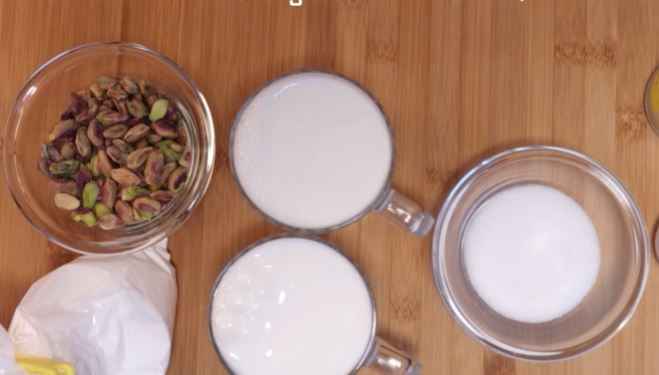
    Lebanese Muhallabia recipe ingredients

    Flavoring

    2 tablespoons orange blossom water (mazaher) – This is absolutely essential! Orange blossom water is what makes this dessert authentically Lebanese. It adds a subtle, delicate floral aroma and taste that’s completely unique. You can find it at Middle Eastern grocery stores, Mediterranean markets, or online. Don’t skip this or substitute with vanilla—it won’t be the same dish.

    Nuts

    1 cup dried whole almonds – Almonds add buttery richness and crunch. Use whole almonds that you’ll mince yourself—pre-chopped almonds are often too fine or stale.

    1 cup raw or roasted unsalted pistachios – Pistachios add beautiful green color and a distinctive, slightly sweet nutty flavor. Make sure they’re unsalted! Use raw or roasted, but avoid the red-dyed pistachios.

    1 cup walnuts – Walnuts add earthy depth and a slightly bitter note that balances the sweetness perfectly. They’re also the most affordable of the three nuts.

    How to Make Kishk el Foukara (Milk Pudding With Nuts)

    Step 1: Prepare the nuts

    Add the 1 cup almonds, 1 cup pistachios, and 1 cup walnuts to a food processor. Pulse for 15-20 seconds until the nuts are coarsely chopped into small pieces-you want a rough mince, not a fine powder. Don’t over-process or you’ll end up with nut butter. The nuts should be in small, distinct pieces that will provide crunch. Set aside in a bowl.

    Step 2: Mix the pudding base

    In a medium bowl, combine the 5 cups of whole milk, 5 tablespoons of sugar, and 5 tablespoons of cornstarch. Whisk thoroughly until all the cornstarch has completely dissolved and there are no lumps. This is important-if the cornstarch isn’t fully mixed in before heating, you’ll get a lumpy pudding.
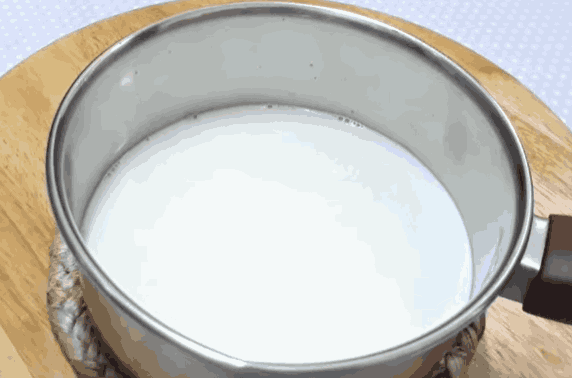
    milk pudding base

    Step 3: Heat and thicken the pudding

    Pour the milk mixture into a medium saucepan. Place over medium to medium-low heat. Stir continuously with a wooden spoon or whisk-this is crucial! You must keep stirring to prevent the bottom from scorching and to ensure the pudding thickens evenly. As the mixture heats, it will gradually begin to thicken. Continue stirring constantly for about 10-15 minutes.

    Step 4: Add the orange blossom water

    When the pudding is near boiling and has noticeably thickened (it should coat the back of your spoon), remove from heat and immediately stir in the 2 tablespoons orange blossom water. Mix thoroughly for about 3 more minutes. The pudding should be thick, smooth, and creamy-similar to the consistency of thick pancake batter or melted ice cream.

    Step 5: Layer the pudding and nuts

    Work quickly while the pudding is still very hot—it will start setting as it cools. Pour half of the hot pudding into your serving tray (a 9×13-inch Pyrex glass dish or similar 2-inch deep tray works perfectly). Spread it evenly across the bottom.

    Sprinkle half of the minced nuts evenly over the pudding layer, creating a complete layer of nuts.

    Pour the remaining half of the pudding over the nut layer, spreading it evenly to cover.

    Finish by sprinkling the remaining nuts on top in an even layer. You should now have four layers total: pudding, nuts, pudding, nuts.

    Step 6: Cool and set

    Let the tray rest at room temperature for about 30 minutes. This allows the pudding to begin setting without condensation forming on top (which happens if you refrigerate while still very hot).

    Step 7: Refrigerate

    After the initial cooling, cover the tray with plastic wrap and refrigerate for at least 1 hour, though 2-3 hours or overnight is even better. The pudding needs this time to fully set into a firm, sliceable consistency and for the flavors to meld together.

    Step 8: Serve

    Scoop generous portions into individual bowls or cut into squares and serve on dessert plates. The pudding should be cool, creamy, and set but not rubbery. Each serving should have visible layers of pudding and nuts.

    Additions and Substitutions

    Milk substitute: You can use 2% milk if you must, but the pudding will be less rich and creamy. For a dairy-free version, use full-fat coconut milk (though the flavor will be different) or cashew milk (the creamiest non-dairy option).

    Cornstarch substitute: You can use an equal amount of rice flour or potato starch, though cornstarch gives the smoothest texture. Don’t use regular flour—it will make the pudding taste pasty.

    Orange blossom water substitute: If you absolutely cannot find orange blossom water, you can use rose water (ma ward), though it will taste different. Vanilla extract doesn’t work here—it’s not the same flavor profile at all. Really, the orange blossom water is essential.

    Nuts substitute: Use any combination of nuts you prefer! Cashews, hazelnuts, or pecans all work beautifully. You could even use all of one type of nut if that’s what you have. Some people add shredded coconut to the nut mixture.

    Make it richer: Some cooks add 1-2 tablespoons of butter to the pudding while it’s cooking for extra richness.

    Add more texture: Layer some shredded coconut along with the nuts.

    Make it fancy: Garnish with whole pistachios arranged in a decorative pattern on top, or drizzle with a little honey or simple syrup before serving.

    Individual servings: Instead of one large tray, portion into individual glass cups or ramekins for elegant individual servings.

    Reduce sugar: If you prefer less sweet desserts, reduce the sugar to 3-4 tablespoons. Lebanese desserts are traditionally sweet, but adjust to your taste.

    Behind the Kishk el Foukara Recipe

    My first taste of kishk el foukara was at a Lebanese friend’s house during Ramadan. After breaking the fast with dates and savory dishes, her mother brought out this beautiful layered milk pudding topped with pistachios, and I was immediately enchanted by the delicate orange blossom aroma that wafted up as she served it.

    I asked what made it smell so wonderful, and she smiled and said, “Mazaher-orange blossom water. It’s what makes Lebanese sweets special.” She explained that this particular dessert was called “kishk el foukara,” which meant “kiosk of the poor.” I thought it was such a poetic name for something that tasted so elegant.

    When I asked why it had that name, she laughed and said it was because the ingredients were so simple and affordable-just milk, sugar, cornstarch, and nuts-that even the poorest families could make it. But despite its humble origins, it was delicious enough to serve at celebrations and special occasions. “The poor man’s dessert that tastes rich,” she said.

    What struck me most was how the orange blossom water transformed such basic ingredients into something that felt exotic and special. Without it, this would just be plain pudding. With it, it became unmistakably Lebanese-aromatic, delicate, and utterly delicious.

    When I made it at home for the first time, I learned the importance of constant stirring. I got distracted for just a minute, and the bottom scorched slightly, giving the whole pudding a burnt undertone. The second time, I stayed vigilant, stirring continuously, and the result was perfect.

    I also discovered that the layering technique isn’t just for show. Having the nuts in layers rather than all on top means every bite gets that perfect combination of creamy pudding and crunchy nuts.

    Now I make kishk el foukara whenever I want something sweet that’s easy to prepare but still feels special. It’s become my go-to dessert for dinner parties because I can make it hours ahead and just pull it from the fridge when it’s time for dessert. The look on people’s faces when they taste that first bite and get the orange blossom aroma-it never gets old.

    Frequently Asked Questions

    What is pudding made of?

    This Lebanese milk pudding (kishk el foukara) is made of whole milk, sugar, cornstarch for thickening, orange blossom water for flavoring, and a mixture of minced nuts (almonds, pistachios, and walnuts) for texture and richness.

    Is kishk el foukara easy to make?

    Yes. This is one of the easiest Lebanese desserts to make. It requires just five main ingredients and about 30 minutes of active time. The only technique you need to master is stirring constantly while the pudding thickens. It’s beginner-friendly and almost foolproof.

    Where can I find orange blossom water?

    You can find orange blossom water at Middle Eastern grocery stores, Mediterranean markets, specialty spice shops, or online (Amazon carries several brands). Look for brands like Cortas, Al Wadi, or Mymouné. A little goes a long way-one bottle will last you many desserts.

    Can I make this dairy-free?

    You can try using full-fat coconut milk or cashew milk, though the flavor and texture will be different from traditional kishk el foukara. Make sure whatever milk you use has some fat content-low-fat milk substitutes won’t give you the creamy texture you want.

    How do I know when the pudding is thick enough?

    The pudding is ready when it noticeably coats the back of your spoon and is approaching a boil (you’ll see steam and small bubbles forming around the edges). It should be thick like melted ice cream or pancake batter-pourable but definitely thick.

    What if my pudding is lumpy?

    If you get lumps from the cornstarch not being fully mixed in, you can strain the hot pudding through a fine-mesh sieve before layering it in the tray. Better yet, prevent lumps by whisking the cornstarch thoroughly into the cold milk before heating.

    Can I use salted nuts?

    It’s not recommended—salted nuts will make the dessert taste savory-sweet in an unpleasant way. Stick to unsalted nuts. If you only have salted nuts, rinse them and dry them thoroughly before using.

    Want more delicious Lebanese desserts?

    Lebanese Rice Pudding (Riz bi Haleeb) – Creamy rice pudding with orange blossom water and cinnamon.

    Knafeh – Shredded phyllo pastry with sweet cheese and syrup.

    Baklava – Layers of phyllo, nuts, and honey syrup.

    Ma’amoul – Buttery cookies filled with dates, pistachios, or walnuts.

    Ashta – Lebanese clotted cream often served with fresh fruit.

    Halawet el Jibn – Sweet cheese rolls filled with cream.

    Atayef – Stuffed pancakes typically served during Ramadan.

    Kishk el Foukara

    Kishk el Foukara (Milk Pudding With Nuts)

    A delicious Lebanese milk pudding delicately flavored with orange blossom water and layered with crunchy minced nuts.
    Total Time 30 minutes
    Servings: 8 servings
    Course: Dessert
    Calories: 426

    Ingredients
      

    Pudding
    • 5 cups whole milk
    • 5 tablespoons sugar
    • 5 tablespoons cornstarch
    • 2 tablespoons orange blossom water mazaher
    Nuts
    • 1 cup whole almonds dried
    • 1 cup pistachios unsalted, raw or roasted
    • 1 cup walnuts

    Method
     

    1. Pulse the almonds, pistachios, and walnuts in a food processor until coarsely chopped.
    2. Whisk together the milk, sugar, and cornstarch until smooth.
    3. Cook the mixture over medium-low heat, stirring constantly until thickened.
    4. Remove from heat and stir in the orange blossom water.
    5. Layer half the pudding in a serving dish, add half the nuts, then repeat with the remaining pudding and nuts.
    6. Let it cool at room temperature for 30 minutes.
    7. Refrigerate until fully set and chilled.
    8. Serve cold and enjoy.

    Notes

    Nutrition (per serving):
    • Calories: 426
    • Fat: 30g
    • Carbohydrates: 29g
    • Fiber: 5g
    • Sugar: 17g
    • Protein: 14g
    • Calcium: 250mg
    • Rich in healthy fats from nuts
    • Good source of protein

  • Lebanese Avocado Cocktail

    Lebanese Avocado Cocktail

    If you’ve never put avocado in a dessert before, I need you to trust me on this one. This Lebanese avocado and strawberry cocktail is one of Lebanon’s most beloved spring and summer street desserts. The good part is that there’s no alcohol in it. In Lebanon, these layered fruit and smoothies are often called cocktails.

    lebanese avocado cocktail​

    Which Fruits To Use

    Since the fruit is the whole point of this cocktail, buy the best you can find. Seasonal, ripe fruit makes an enormous difference to the final result. Cocktail bars in Lebanon stock whatever is in season, and you should do the same. In spring and summer, you’ll have the widest variety to work with – mango, banana, kiwi, peach, and strawberries are all perfect choices.

    I also recommend keeping your fruits in the fridge overnight before making this. Blending warms everything up, and this cocktail is best served cold. If you forget, a few ice cubes in the blender will do the trick.

    In addition, if you can find proper ashta, use it. If you can’t, good-quality ricotta mixed with a little rose water and orange blossom water is an excellent substitute. Don’t skip the floral waters if you can help it – they’re what give this dessert its soul.

    What Goes Into a Lebanese Avocado Cocktail

    Avocado: This forms the base smoothie layer, and it is my favourite part of the whole cocktail. Blended with milk and honey, it becomes impossibly creamy and rich without being heavy. Make sure your avocado is fully ripe – an underripe one will give you a bitter, lumpy smoothie.

    Milk: Blended with the avocado to loosen the smoothie and add extra creaminess. Taste the smoothie before pouring it into the glass and adjust the amount of milk to your liking. For a vegan version, any plant-based milk works just as well.

    Honey: Goes into both smoothie layers to sweeten them, and gets drizzled generously on top at the end. Taste as you go — you may want more or less depending on how sweet your fruit already is.

    Strawberries: These do two jobs in this recipe. Some get chopped and layered in with the fruit chunks, and the rest get blended into a bright, sweet smoothie that gets poured over the top. The contrast between the green avocado layer and the red strawberry layer is half the visual appeal of this cocktail.

    Seasonal fruits: Whatever looks best at the market. Mango, banana, kiwi, and extra strawberries are all great choices. Chop them into bite-sized pieces — not too small, you want them to hold their shape in the glass.

    Ashta or ricotta: The crown of the cocktail. If you’re using ricotta, mix in a little rose water and orange blossom water to get that authentic floral flavour.

    Almonds: Blanched almonds on top add a crunch that cuts through all that creaminess beautifully. I like to soak raw almonds overnight in water – it makes the skins slip right off and gives them a wonderfully fresh crunch. You can also buy them pre-blanched if you’re short on time.

    How To Make Lebanese Avocado Cocktail

    Prepare your fruits first: Cut the avocado in half, remove the pit, and peel it. Trim the stems off the strawberries that you’ll be blending. Chop the rest of your seasonal fruits – mango, banana, kiwi, and any remaining strawberries – into bite-sized pieces and set them aside. If you’re using ricotta instead of ashta, mix in the rose water and orange blossom water now and set it aside in the fridge.

    avocado cocktail lebanese recipe​

    The avocado smoothie: Add the avocado, milk, and two tablespoons of honey to a blender and blend until completely smooth and creamy. Taste it before pouring – this is the time to adjust the honey or add a little more milk if you want it thinner. Pour the avocado smoothie equally into two large glasses, filling them about halfway. Pint glasses or large mugs work perfectly for this.

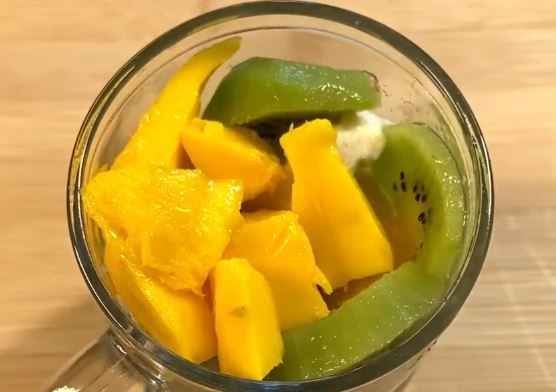
    The fruit layer: Spoon the chopped fruits over the avocado smoothie layer, dividing them evenly between the two glasses. Don’t be shy with the fruit — this layer should be generous.

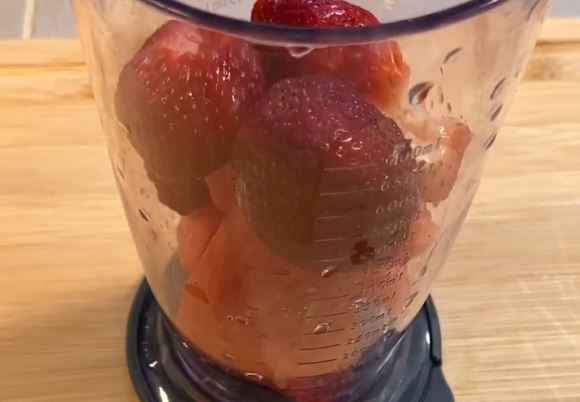
    The strawberry smoothie: Blend the strawberries with water and one tablespoon of honey until completely smooth. Pour this over the fruit layer slowly, giving the glass a gentle shake so the smoothie settles down between the fruit pieces. Leave a little room at the top – you’ll need it for the cream and toppings.

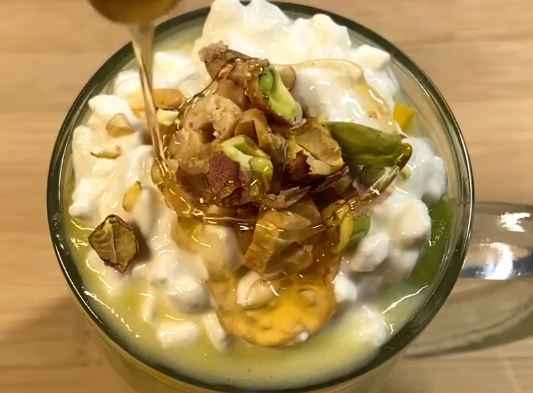
    The ashta or ricotta: Dollop half the cream mixture on top of each glass. Don’t worry about making it look perfect — a generous, rustic spoonful is exactly right.

    The toppings: Finish with the blanched almonds and a drizzle of honey over each glass. Serve immediately with both a straw and a spoon. Use the straw for the smoothie layers and the spoon for the fruit and cream on top. Alternate between the two – that’s the best way to eat this.

    Avocado Cocktail Lebanese Recipe​ Variations

    You don’t have to stick to strawberry for the top smoothie layer every time. A mango smoothie works beautifully in its place, or you can make both layers avocado if you really love it – and you will. For a fully vegan version, swap the milk for a plant-based alternative, use maple syrup instead of honey, and find a plant-based ricotta that isn’t savoury.

    Also, you can make a Lebanese fruit cocktail without the avocado. This version tends to go well with a Maakaroun.

    Rose water and orange blossom water can be found at most Middle Eastern grocery stores or ordered online. If you really can’t find them, plain ricotta with a good drizzle of honey on top still makes a delicious topping — just know you’re missing a little of the magic.

    lebanese avocado cocktail​

    Lebanese Avocado Cocktail Recipe​

    This Lebanese avocado and strawberry cocktail is one of Lebanon’s most beloved spring and summer street desserts. The good part is that there’s no alcohol in it.
    Total Time 10 minutes
    Servings: 2 glasses
    Course: Dessert
    Cuisine: lebanese

    Ingredients
      

    • 1 large ripe avocado halved, pit removed and peeled
    • 1 cup milk
    • 3 tablespoons honey divided, plus more for garnish
    • cups mixed seasonal fruits such as mango banana, kiwi and strawberry, chopped into bite-sized pieces
    • cups strawberries stems trimmed
    • 2 tablespoons water
    • cup ashta or ricotta
    • ½ teaspoon rose water optional, to taste
    • ¼ teaspoon orange blossom water optional, to taste
    • 2 tablespoons blanched almonds

    Method
     

    1. Place the avocado, milk, and 2 tablespoons of honey in a blender and blend until smooth and creamy. Taste and adjust honey to your liking. Pour equally into two large glasses, filling them about halfway.
    2. Spoon the chopped fruits over the avocado layer, dividing evenly between the two glasses.
    3. Blend the strawberries, water, and 1 tablespoon of honey until smooth. Pour over the fruit layer, giving the glass a gentle shake to let the smoothie settle between the fruits. Leave a little space at the top.
    4. If using ricotta, mix in the rose water and orange blossom water. Dollop half the cream mixture on top of each glass.
    5. Garnish with blanched almonds and a drizzle of honey. Serve immediately with a straw and a spoon.

    Notes

    Use a fully ripe avocado – an underripe one will give you a bitter smoothie. Keep your fruits in the fridge overnight before making this, so everything stays cold. Taste both smoothie layers before assembling and adjust the honey to your liking. Soaking raw almonds overnight in water makes the skins easy to remove and gives them a great crunch. Rose water and orange blossom water are available at Middle Eastern grocery stores or online – don’t skip them if you can help it.
  • Lebanese Fruit Cocktail (With Ashta)

    Lebanese Fruit Cocktail (With Ashta)

    If you’ve ever wandered through the busy streets of Beirut or any Lebanese city, chances are you’ve stopped at a colourful fruit stand and watched someone prepare one of these layered beauties right in front of you. The Lebanese fruit cocktail – known locally as cocktail shikaf, which simply means “fruit chunks cocktail” – is one of those street foods that’s hard to walk past and even harder to forget.

    lebanese fruit cocktail

    What Is Cocktail Shikaf?

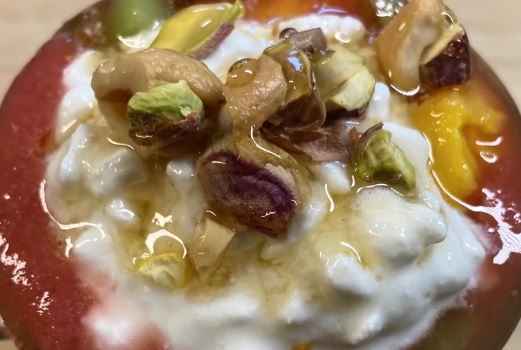
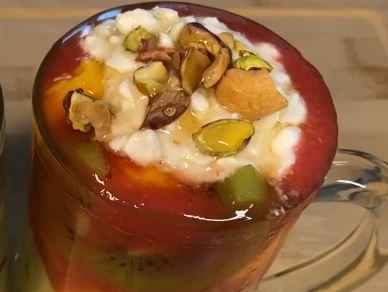
    At its core, a cocktail shikaf is freshly cut fruit piled into a cup, topped with a base of blended fresh strawberry or kiwi juice, a generous spoonful of ashta cream, a handful of raw nuts, and a drizzle of honey. Every street vendor has their own version, and the fruits change with the seasons. In winter, expect more citrus. In summer, the cups overflow with tropical and stone fruits — mango, peach, pineapple, and more.

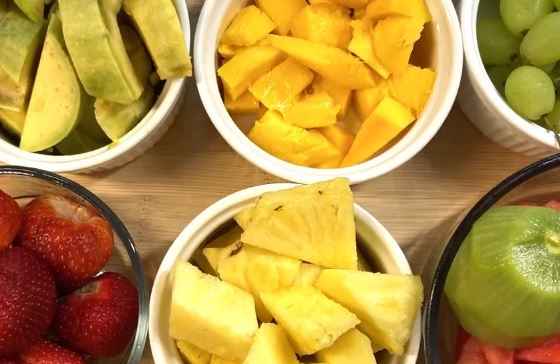
    A good cocktail shikaf should have at least five to seven different fruits in it. Think banana, kiwi, mango, avocado, orange, strawberry, apple, pear, pineapple, peach, or apricot – whatever looks best at the market that day.

    What Makes It Lebanese

    Fruit cocktails exist in just about every culture around the world, but what sets this one apart is the ashta. Ashta is a clotted cream flavoured with rose water, and it’s what gives this dessert its unmistakably Lebanese identity. That rich, slightly floral cream sitting on top of cold, juicy fruit is a combination that’s hard to describe and even harder to beat.

    If you can, make your ashta from scratch. The flavour is so much better than anything store-bought. You can substitute whipped cream in a pinch, but it really isn’t the same – the rose water aroma is the whole point.

    Lebanese Fruit Cocktail Ingredients

    Fruit: Use whatever is in season and looks fresh. For this recipe, we’re using banana, peach, kiwi, apple, mango, pineapple, and strawberries. The strawberries do double duty – some get cut into chunks, and the rest get blended into the juice base that fills the cup.

    Ashta cream: This is the heart of the dessert. Rich, creamy, and lightly scented with rose water. Make it from scratch if you can — two tablespoons per serving is all you need, but you’ll want more.

    Nuts: Raw walnuts and crushed pistachios add crunch and a lovely contrast to the soft fruit. Don’t skip these – they’re not just garnish, they’re part of the experience.

    Honey: A drizzle at the end ties everything together. It adds sweetness without overpowering the natural flavour of the fruit.

    Lebanese Fruit Cocktail Recipe Step-by-Step

    The beauty of this recipe is how simple it is once everything is prepped.

    Start with your fruit. Cut the mango, apple, pineapple, kiwi, banana, peach, and about a third of your strawberries into roughly one-inch chunks. You want them bite-sized but substantial enough to hold their shape in the cup.

    lebanese cocktail ashta​

    For the juice base, blend the remaining strawberries until completely smooth. This becomes the liquid that fills the cup and brings everything together. Don’t add water – the strawberries have more than enough juice on their own.

    lebanese fruit cocktail strawberries

    Finally, fill each serving cup generously with the fruit chunks, then pour the blended strawberry juice over the top until the cup is full. Add two tablespoons of ashta cream, scatter over your walnuts and pistachios, and finish with a drizzle of honey. Serve immediately and serve cold.

    How To Serve

    The Lebanese fruit cocktail drink is a dessert, a snack, and a refreshment all at once. Serve it straight from the fridge on a warm day, or put it together fresh.

    You can enjoy it with some Maakaroun.

    lebanese fruit cocktail

    Lebanese Fruit Cocktail (Shikaf)

    A layered Lebanese street food dessert with fresh fruit, rose water ashta cream, nuts, and honey.
    Servings: 5 glasses
    Course: Dessert
    Cuisine: lebanese

    Ingredients
      

    • 5 Bananas
    • 5 Peaches
    • 5 Kiwis
    • 3 Apples
    • 2 Large mangoes
    • 0.5 Pineapple
    • 48.6 ounces Strawberries
    • 10 tablespoons Ashta cream
    • 0.5 cups Raw walnuts
    • 0.5 cups Crushed raw pistachios
    • 5 tablespoons Honey

    Method
     

    1. Cut all five Bananas, five Peaches, five Kiwis, three Apples, two large mangoes, and half pineapple into roughly 1-inch chunks. Also cut about one-third of the 48.6 ounces Strawberries (approximately 450g) into chunks and set aside.
    2. Add the remaining 48.6 ounces Strawberries (approximately 900g) to a blender and blend until completely smooth. Do not add water – the strawberries have plenty of juice on their own.
    3. Fill each serving cup generously with the mixed fruit chunks. Pour the blended strawberry juice over the top until the cup is full. Add 10 tablespoons Ashta cream per cup, scatter over half a cup of raw walnuts and half a cup of crushed raw pistachios, and finish with a drizzle of five tablespoons of honey. Serve immediately and cold.

    Notes

    Make the ashta cream from scratch if you can – the rose water aroma is what makes this dessert distinctly Lebanese. Whipped cream works as a substitute but won’t give you the same flavour. Use whatever fruits are in season; the recipe is very flexible. Serve cold and assemble just before eating so the fruit stays fresh.
  • Maakaroun: Lebanese Dessert Cookies

    Every December 4th, it’s not uncommon to see Lebanese homes prepare maakaroun معكرون, the traditional finger-shaped semolina cookies that have become synonymous with Eid il-Burbara (Saint Barbara’s Day). These golden, crispy treats, deep-fried until perfectly crunchy, then soaked in fragrant sugar syrup, are more than just a dessert. They’re also a reminder of a centuries-old tradition of community celebration that transforms Lebanese neighborhoods into scenes of joy and shared sweetness.

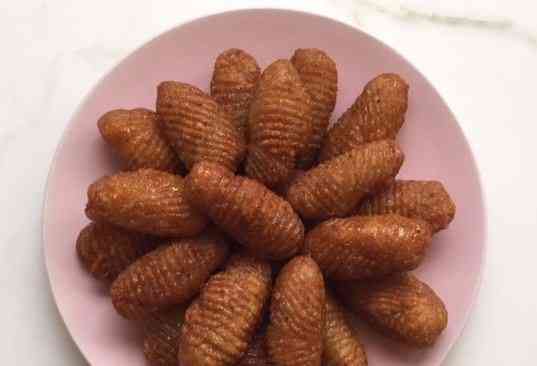
    a plate of Maakaroun

    What is Maakaroun?

    Maakaroun (also spelled maakroun, maakron, or ma’kroun) is a traditional Lebanese dessert made from semolina and flour, shaped into finger-like cylinders, deep-fried until golden and crispy, then soaked in sugar syrup infused with orange blossom water.

    The name comes from the Arabic word meaning “squashed” or “pressed,” referring to the way the dough is shaped. These cookies are distinctively Lebanese and should not be confused with French macarons – the connection is purely phonetic.

    The preparation of maakaroun is intrinsically tied to Eid il-Burbara, the Feast of Saint Barbara, celebrated by Lebanese Christians (and throughout the Levant) on December 4th.

    This joyful holiday predates Christmas by three weeks and shares interesting similarities with Halloween – children dress in disguises and go door-to-door collecting treats – but with a completely different origin story rooted in Christian martyrdom and Middle Eastern tradition.

    Maakaroun is always prepared alongside other traditional sweets on Saint Barbara’s Day: qatayef (stuffed pancakes), awamat (honey dumplings), and ameh or burbara (boiled wheat with nuts, raisins, and spices).

    Maakaroun Lebanese Recipe Ingredients

    Here are all the ingredients and important notes about them. For amounts, see the full recipe card below. Maakaroun has three main components: the semolina dough, the sugar syrup, and the oil for frying.

    Semolina Dough Ingredients

    Fine semolina. Also called semolina flour or “smeed naaim” in Arabic, this is the primary ingredient that gives maakaroun its characteristic texture—tender inside with a crispy exterior when fried. Fine semolina is made from durum wheat and has a slightly golden color. Don’t substitute with coarse semolina, which won’t achieve the right texture. You can find fine semolina at Middle Eastern markets or well-stocked grocery stores.

    All-purpose flour. Used in combination with semolina to create the perfect texture. The flour helps bind the dough and makes it easier to work with while maintaining the crispy-tender contrast when fried.

    Granulated sugar. Adds a touch of sweetness to the dough itself, though most of the sweetness comes from the syrup soak afterward.

    Baking powder. Helps the cookies puff slightly when fried, creating a lighter, airier texture inside.

    Mahlab (mahleb). This is an aromatic spice made from ground cherry pits that gives maakaroun its distinctive Middle Eastern flavor. It has a subtle, complex taste reminiscent of almonds, cherries, and roses. Find it at Middle Eastern markets. If you can’t locate mahlab, you can substitute with a combination of almond extract and a tiny pinch of ground cardamom, though the flavor won’t be quite the same.

    Anise seeds. These provide the characteristic licorice-like flavor that’s essential to authentic maakaroun. The anise seeds are typically steeped in hot water to create an infusion that’s added to the dough.

    Fennel seeds (optional). Some recipes include fennel seeds along with anise for additional aromatic complexity. The two flavors complement each other beautifully.

    Sesame seeds (optional). Some families include toasted sesame seeds for a nutty flavor and added texture.

    Vegetable oil. Used in the dough to add moisture and richness. Neutral-flavored oils like canola or sunflower work best.

    Water. Used to create the anise infusion and bring the dough together.

    Orange blossom water. This fragrant water made from bitter orange blossoms is a hallmark of Lebanese sweets. It adds a delicate, floral aroma that’s unmistakably Middle Eastern. Available at Middle Eastern markets or specialty stores. Rose water can be substituted, though orange blossom water is more traditional for maakaroun.

    Sugar Syrup Ingredients

    Granulated sugar. Forms the base of the syrup that sweetens and glazes the fried cookies.

    Water. Combined with sugar to create the syrup.

    Fresh lemon juice. Adds acidity to prevent the sugar from crystallizing and helps create a smooth, glossy syrup. It also balances the sweetness.

    Orange blossom water. Added at the end of cooking the syrup to infuse it with delicate floral notes. This is what makes the syrup distinctively Lebanese.

    For Frying

    Vegetable oil. You’ll need enough oil for deep frying—typically 2-3 inches in a deep pot or wok. Use a neutral oil with a high smoke point like canola, sunflower, or vegetable oil.

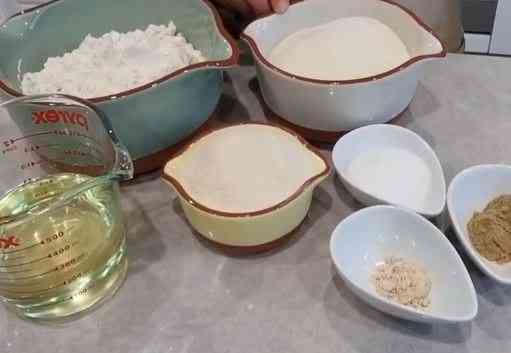
    Maakaroun ingredients

    What You Need

    How to Make Maakaroun Step-By-Step

    The key to making the perfect maakaroun is getting the dough consistency right and not over-frying the cookies. Start with the syrup since it needs to cool to room temperature before you soak the fried cookies.

    For the Sugar Syrup

    1. In a medium saucepan, combine the granulated sugar and water. Place over medium heat and stir occasionally until the sugar completely dissolves.
    2. Add the fresh lemon juice and bring the mixture to a gentle boil. Reduce heat to low and let it simmer gently for about 10-15 minutes, stirring occasionally, until the syrup thickens slightly. It should coat the back of a spoon but still pour easily—not as thick as honey, more like maple syrup.
    3. Remove from heat and stir in the orange blossom water. Set the syrup aside to cool completely to room temperature. This is important: if the syrup is hot when you add the fried cookies, they’ll become soggy instead of maintaining their crispy exterior. The syrup should be at room temperature or even slightly cool.

    For the Anise Infusion

    1. In a small pot or heat-proof bowl, combine the anise seeds (and fennel seeds if using) with about 1 cup of boiling water. Let steep for 10-15 minutes, allowing the seeds to release their aromatic oils. The water should become fragrant and slightly golden.
    2. Strain the infusion through a fine-mesh sieve to remove all the seeds. You’ll use this flavored water to make the dough. Let it cool to room temperature.

    For the Dough

    1. In a large mixing bowl, combine the fine semolina, all-purpose flour, sugar, baking powder, and mahlab. Mix well to distribute all the dry ingredients evenly.
    2. Add the vegetable oil to the dry ingredients and mix with your hands, rubbing the oil into the flour-semolina mixture until it resembles coarse breadcrumbs or wet sand. This step is important as it helps create the tender, crispy texture.
    3. Gradually add the cooled anise infusion to the mixture, starting with about ¾ cup and adding more as needed. Mix and knead gently until you have a soft, pliable dough that holds together but isn’t sticky. The dough should be smooth and easy to work with—if it’s too dry and crumbly, add a bit more anise water; if too wet and sticky, add a tablespoon of semolina.
    4. Add the orange blossom water and knead it into the dough for another minute until well incorporated. Cover the dough with a clean kitchen towel or plastic wrap and let it rest for 30 minutes. This resting period allows the semolina to fully absorb the liquids and makes the dough easier to shape.

    Shaping the Maakaroun

    1. After the dough has rested, divide it into small portions about the size of a walnut. The traditional size is roughly 1-2 tablespoons of dough per cookie, but you can make them slightly larger or smaller based on preference.
    2. Roll each portion between your palms to form a smooth ball, then roll it between your palm and a clean work surface to create a finger-like cylinder about 3-4 inches long and about ¾ inch in diameter. The shape should resemble a thick finger or a small sausage.
    3. Place the shaped cookies on a tray or plate. Continue until all the dough is shaped. If desired, you can gently press sesame seeds onto the surface of each cookie before frying for added texture and appearance.

    Frying the Maakaroun

    1. Pour vegetable oil into a deep, heavy pot or wok to a depth of about 2-3 inches. Heat the oil over medium-high heat to 350°F (175°C). If you don’t have a thermometer, test the oil by dropping in a small piece of dough—it should sizzle immediately and float to the surface, but not brown too quickly.
    2. Carefully add the shaped cookies to the hot oil in small batches—don’t overcrowd the pot or the oil temperature will drop and the cookies will absorb too much oil. Fry for about 4-5 minutes, turning occasionally with a slotted spoon or spider skimmer, until the maakaroun are evenly golden brown all over.
    3. Remove the fried cookies with a slotted spoon and drain on paper towels placed over a wire rack. The cookies should be crispy on the outside. Let them cool for just 2-3 minutes—they should still be quite warm when you add them to the syrup, but not so hot that they’ll fall apart.

    Soaking and Serving

    1. Working in batches, gently place the warm (but not hot) fried cookies into the room-temperature sugar syrup. Let them soak for about 30 seconds to 1 minute, gently turning them to ensure they’re fully coated. The cookies will absorb some syrup while maintaining their crispy exterior.
    2. Remove the soaked cookies with a slotted spoon and place them on a wire rack set over a tray (to catch drips). Let them cool and allow the syrup to set. The surface should become glossy and slightly sticky.
    3. Once completely cooled, the maakaroun can be dusted with powdered sugar if desired for a more festive appearance. Arrange them on a serving platter and serve at room temperature.

    Baked Version (Healthier Alternative)

    If you prefer not to deep-fry, you can bake maakaroun, though they won’t have quite the same crispy texture as the traditional fried version:

    • Preheat oven to 350°F (180°C).
    • Place shaped cookies on a parchment-lined baking sheet, spacing them about 1 inch apart.
    • Brush lightly with melted butter or oil.
    • Bake for 25-30 minutes or until golden brown.
    • Let cool slightly, then soak in room-temperature syrup as directed above.

    How To Prepare Ahead

    Maakaroun-making can be a time-intensive process, so you might consider spreading the work out over a day or two:

    Make the syrup ahead. The sugar syrup can be made 2-3 days in advance and stored at room temperature in a covered container. In fact, it’s better to make it ahead since it needs to be completely cool before soaking the cookies.

    Prepare and shape the dough ahead. You can make the dough and shape all the cookies several hours ahead or even the night before. Arrange the shaped cookies on a tray, cover with plastic wrap or a clean kitchen towel, and refrigerate. Bring to room temperature for 15-20 minutes before frying.

    Fry in stages. If you’re making a large batch, you can fry half the cookies, soak them, and let them cool, then fry the second batch. The fried, syrup-soaked cookies keep well, so this breaks up the work.

    Storage. Maakaroun can be stored well at room temperature in an airtight container for up to 1 week. Don’t refrigerate them, as this will make them hard and less pleasant to eat. The syrup coating acts as a preservative. For longer storage, you can freeze unfried shaped cookies for up to 2 months. Fry them directly from frozen, adding a minute or two to the frying time.

    Frequently Asked Questions

    Can I bake maakaroun instead of frying them?

    Yes! While the traditional method is deep-frying for maximum crispiness, you can bake them for a healthier option. Preheat your oven to 350°F (180°C), brush the shaped cookies with melted butter or oil, and bake for 25-30 minutes until golden brown. The texture will be slightly different—less crispy, more cake-like – but they’ll still be delicious when soaked in syrup.

    What can I substitute for mahlab?

    Mahlab has a unique flavor that’s hard to replicate perfectly. Your best substitute is a combination of ½ teaspoon almond extract and a tiny pinch (⅛ teaspoon) of ground cardamom. Some people use a drop of bitter almond extract if they can find it. While not identical, these substitutes will give you aromatic complexity similar to mahlab.

    Can I use rose water instead of orange blossom water?

    Yes, you can substitute rose water for orange blossom water in both the dough and the syrup. The flavor will be slightly different – rose water is more floral and perfumed, while orange blossom water is more citrusy and delicate – but both are traditional Lebanese flavors. You can even use half of each if you like.

    My dough is too dry/too wet. How do I fix it?

    Dough consistency can vary based on the absorption rate of your specific semolina and flour, as well as humidity. If too dry and crumbly, add more anise water or plain water, one tablespoon at a time, kneading well after each addition. If too wet and sticky, add more fine semolina, one tablespoon at a time. The dough should be soft, pliable, and smooth.

    How do I know when the oil is the right temperature?

    The ideal frying temperature is 350°F (175°C). If you don’t have a thermometer, drop a small piece of dough into the oil. It should sizzle immediately and float to the surface, gradually turning golden brown over 4-5 minutes. If it browns in less than 2 minutes, your oil is too hot. If it sinks and takes forever to float, the oil isn’t hot enough.

    Can I make the shaped cookies ahead and freeze them?

    Yes, you can. Shape all the cookies, arrange them on a baking sheet in a single layer, and freeze until solid (about 2 hours). Then transfer to freezer bags or airtight containers. They can be frozen for up to 2 months. Fry them directly from frozen – no need to thaw. Just add an extra minute to the frying time.

    Maakaroun Lebanese Recipe

    Maakaroun are traditional Lebanese finger-shaped semolina cookies made for Saint Barbara’s Day (Eid il-Burbara). These golden, crispy treats are deep-fried until perfectly crunchy, then soaked in fragrant orange blossom sugar syrup. An essential part of Lebanese Christmas traditions.
    Prep Time 1 hour
    Cook Time 30 minutes
    Total Time 1 hour 30 minutes
    Servings: 24 cookies
    Course: Dessert
    Cuisine: lebanese, Middle Eastern

    Ingredients
      

    For the Sugar Syrup

    • 2 cups granulated sugar
    • 1 cup water
    • 2 tablespoons fresh lemon juice
    • 2-3 tablespoons orange blossom water
    For the Anise Mixture
    • 2 tablespoons anise seeds
    • 1 tablespoon fennel seeds optional
    • 1 cup boiling water
    For the Dough
    • 2 cups fine semolina
    • 1 cup all-purpose flour
    • ½ cup granulated sugar
    • 2 teaspoons baking powder
    • 1 teaspoon mahlab ground cherry pit spice
    • ½ teaspoon salt
    • ½ cup vegetable oil canola or sunflower
    • ¾ to 1 cup anise infusion from above, cooled
    • 2 tablespoons orange blossom water
    • 2-3 tablespoons sesame seeds optional, for coating
    For Frying
    • Vegetable oil for deep frying about 4-6 cups
    For Serving
    • Powdered sugar for dusting optional

    Method
     

    For the Sugar Syrup (Make First)
    1. In a medium saucepan, combine the granulated sugar and water. Place over medium heat and stir occasionally until the sugar completely dissolves.
    2. Add the fresh lemon juice and bring to a gentle boil. Reduce heat to low and simmer gently for 10-15 minutes, stirring occasionally, until the syrup thickens slightly. It should coat the back of a spoon but still pour easily.
    3. Remove from heat and stir in the orange blossom water. Set aside to cool completely to room temperature.
    For the Anise Mixture
    1. In a small heat-proof bowl or pot, combine the anise seeds and fennel seeds (if using). Pour 1 cup of boiling water over the seeds and let steep for 10-15 minutes until fragrant and the water is slightly golden.
    2. Strain through a fine-mesh sieve to remove all seeds. Let the mixture cool to room temperature.
    For the Dough
    1. In a large mixing bowl, combine the fine semolina, all-purpose flour, sugar, baking powder, mahlab, and salt. Mix well to distribute all dry ingredients evenly.
    2. Add the vegetable oil to the dry mixture and rub it in with your hands until the mixture resembles coarse breadcrumbs or wet sand. This should take 2-3 minutes of mixing.
    3. Gradually add the cooled anise mixture, starting with ¾ cup. Mix and knead gently until you have a soft, pliable dough that holds together but isn’t sticky.
    4. Add the orange blossom water and knead for another minute until well incorporated. Cover the dough with a clean kitchen towel or plastic wrap and let rest for 30 minutes.
    Shaping the Maakaroun
    1. After resting, divide the dough into small portions about the size of a walnut (roughly 1-2 tablespoons each).
    2. Roll each portion between your palms to form a smooth ball, then roll between your palm and work surface to create a finger-like cylinder about 3-4 inches long and ¾ inch in diameter.
    3. If using sesame seeds, gently press the shaped cookies into sesame seeds to coat the surface. Place shaped cookies on a tray and continue until all dough is used.
    Frying the Makaaroun
    1. Pour vegetable oil into a deep, heavy pot or wok to a depth of 2-3 inches. Heat over medium-high heat to 350°F (175°C). Test with a small piece of dough – it should sizzle immediately and gradually turn golden over 4-5 minutes.
    2. Working in small batches (don’t overcrowd), carefully add shaped cookies to the hot oil. Fry for 4-5 minutes, turning occasionally with a slotted spoon, until evenly golden brown all over.
    3. Remove with a slotted spoon and drain on paper towels over a wire rack. Let cool for 2-3 minutes. Repeat with remaining cookies.
    Soaking and Serving
    1. Working in batches, gently place warm (not hot) fried cookies into the room-temperature sugar syrup. Soak for 30 seconds to 1 minute, turning gently to coat all sides.
    2. Remove with a slotted spoon and place on a wire rack set over a tray to catch drips. Let cool completely—the syrup will set and become glossy.
    3. Once cooled, dust with powdered sugar if desired. Arrange on a serving platter and serve at room temperature.