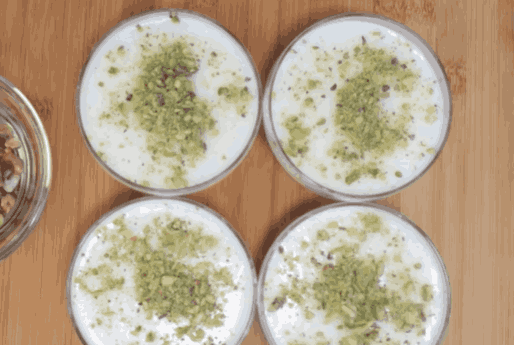
Kishk el foukara is a creamy Lebanese dessert made with milk pudding flavored with orange blossom water and layered with toasted nuts.
What Is Kishk el Foukara?
Kishk el foukara (also spelled kishik el fukara) is a common Lebanese dessert with a name that translates to “kiosk of the poor”. The name likely refers to how simple and affordable the ingredients are, yet the result is very delicious and rich in flavor.
In different regions of Lebanon, this same dessert is known by other names. Many call it “muhallabiyeh” or “muhallabia,” which is the broader Arabic term for milk pudding desserts found throughout the Middle East.
What makes kishk el foukara special is the beautiful layering technique – the pudding and nuts aren’t just mixed together, but carefully alternated in layers. When you scoop through the layers, you discover pockets of walnuts, pistachios, and almonds nestled between the milk pudding.
The secret ingredient that transforms this from ordinary pudding into something distinctly Lebanese is orange blossom water (mazaher or ma ward). This floral water, distilled from orange blossoms, adds a delicate, aromatic quality that’s absolutely essential to the authentic flavor. Without it, you just have plain vanilla pudding.
If you love this kishk el foukara recipe, you’ll probably also enjoy Lebanese Rice Pudding (Riz bi Haleeb), Ashta (clotted cream), Knafeh (shredded phyllo with sweet cheese), Baklava, and Ma’amoul (stuffed date cookies)—all wonderful Lebanese sweets.
Why You’ll Love This Kishk el Foukara Recipe
Incredibly easy – Just five main ingredients and about 30 minutes of cooking time for an impressive dessert
Nice aroma – The orange blossom water creates a delicate floral flavor that’s distinctly Middle Eastern
Perfect dessert – Actually needs to be made ahead, so it’s ideal for entertaining
Kishk el Foukara Recipe Ingredients
Pudding Base
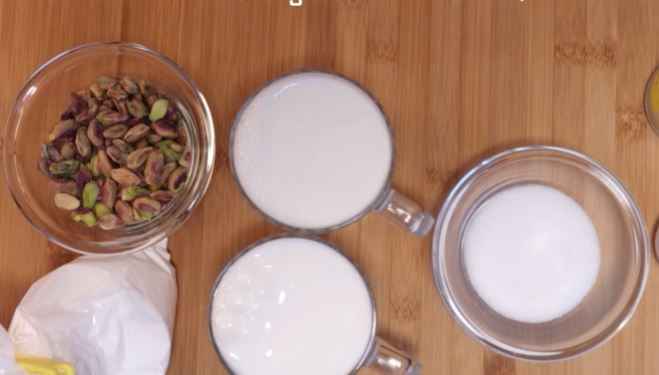
5 cups whole milk – Whole milk is essential for the richest, creamiest texture. Don’t use low-fat or skim milk—you’ll end up with a thin, watery pudding. The fat content in whole milk creates that luxurious, velvety mouthfeel that makes this dessert so satisfying.
5 tablespoons sugar – Just enough sweetness to balance the milk without being cloying. Lebanese desserts tend to be less aggressively sweet than Western desserts, letting the delicate flavors shine through. You can adjust this to taste, but start with 5 tablespoons.
5 tablespoons cornstarch – This is what thickens the milk into pudding. Cornstarch creates a smooth, silky texture without the eggy flavor you’d get from custard. Make sure to mix it thoroughly with the cold milk before heating to prevent lumps.
Flavoring
2 tablespoons orange blossom water (mazaher) – This is absolutely essential! Orange blossom water is what makes this dessert authentically Lebanese. It adds a subtle, delicate floral aroma and taste that’s completely unique. You can find it at Middle Eastern grocery stores, Mediterranean markets, or online. Don’t skip this or substitute with vanilla—it won’t be the same dish.
Nuts
1 cup dried whole almonds – Almonds add buttery richness and crunch. Use whole almonds that you’ll mince yourself—pre-chopped almonds are often too fine or stale.
1 cup raw or roasted unsalted pistachios – Pistachios add beautiful green color and a distinctive, slightly sweet nutty flavor. Make sure they’re unsalted! Use raw or roasted, but avoid the red-dyed pistachios.
1 cup walnuts – Walnuts add earthy depth and a slightly bitter note that balances the sweetness perfectly. They’re also the most affordable of the three nuts.
How to Make Kishk el Foukara (Milk Pudding With Nuts)
Step 1: Prepare the nuts
Add the 1 cup almonds, 1 cup pistachios, and 1 cup walnuts to a food processor. Pulse for 15-20 seconds until the nuts are coarsely chopped into small pieces-you want a rough mince, not a fine powder. Don’t over-process or you’ll end up with nut butter. The nuts should be in small, distinct pieces that will provide crunch. Set aside in a bowl.
Step 2: Mix the pudding base
In a medium bowl, combine the 5 cups of whole milk, 5 tablespoons of sugar, and 5 tablespoons of cornstarch. Whisk thoroughly until all the cornstarch has completely dissolved and there are no lumps. This is important-if the cornstarch isn’t fully mixed in before heating, you’ll get a lumpy pudding.
Step 3: Heat and thicken the pudding
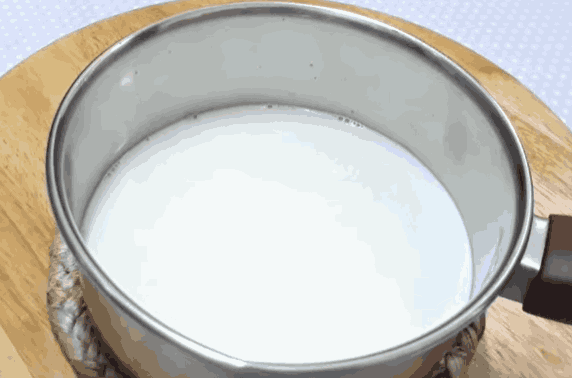
Pour the milk mixture into a medium saucepan. Place over medium to medium-low heat. Stir continuously with a wooden spoon or whisk-this is crucial! You must keep stirring to prevent the bottom from scorching and to ensure the pudding thickens evenly. As the mixture heats, it will gradually begin to thicken. Continue stirring constantly for about 10-15 minutes.
Step 4: Add the orange blossom water
When the pudding is near boiling and has noticeably thickened (it should coat the back of your spoon), remove from heat and immediately stir in the 2 tablespoons orange blossom water. Mix thoroughly for about 3 more minutes. The pudding should be thick, smooth, and creamy-similar to the consistency of thick pancake batter or melted ice cream.
Step 5: Layer the pudding and nuts
Work quickly while the pudding is still very hot—it will start setting as it cools. Pour half of the hot pudding into your serving tray (a 9×13-inch Pyrex glass dish or similar 2-inch deep tray works perfectly). Spread it evenly across the bottom.
Sprinkle half of the minced nuts evenly over the pudding layer, creating a complete layer of nuts.
Pour the remaining half of the pudding over the nut layer, spreading it evenly to cover.
Finish by sprinkling the remaining nuts on top in an even layer. You should now have four layers total: pudding, nuts, pudding, nuts.
Step 6: Cool and set
Let the tray rest at room temperature for about 30 minutes. This allows the pudding to begin setting without condensation forming on top (which happens if you refrigerate while still very hot).
Step 7: Refrigerate
After the initial cooling, cover the tray with plastic wrap and refrigerate for at least 1 hour, though 2-3 hours or overnight is even better. The pudding needs this time to fully set into a firm, sliceable consistency and for the flavors to meld together.
Step 8: Serve
Scoop generous portions into individual bowls or cut into squares and serve on dessert plates. The pudding should be cool, creamy, and set but not rubbery. Each serving should have visible layers of pudding and nuts.
Additions and Substitutions
Milk substitute: You can use 2% milk if you must, but the pudding will be less rich and creamy. For a dairy-free version, use full-fat coconut milk (though the flavor will be different) or cashew milk (the creamiest non-dairy option).
Cornstarch substitute: You can use an equal amount of rice flour or potato starch, though cornstarch gives the smoothest texture. Don’t use regular flour—it will make the pudding taste pasty.
Orange blossom water substitute: If you absolutely cannot find orange blossom water, you can use rose water (ma ward), though it will taste different. Vanilla extract doesn’t work here—it’s not the same flavor profile at all. Really, the orange blossom water is essential.
Nuts substitute: Use any combination of nuts you prefer! Cashews, hazelnuts, or pecans all work beautifully. You could even use all of one type of nut if that’s what you have. Some people add shredded coconut to the nut mixture.
Make it richer: Some cooks add 1-2 tablespoons of butter to the pudding while it’s cooking for extra richness.
Add more texture: Layer some shredded coconut along with the nuts.
Make it fancy: Garnish with whole pistachios arranged in a decorative pattern on top, or drizzle with a little honey or simple syrup before serving.
Individual servings: Instead of one large tray, portion into individual glass cups or ramekins for elegant individual servings.
Reduce sugar: If you prefer less sweet desserts, reduce the sugar to 3-4 tablespoons. Lebanese desserts are traditionally sweet, but adjust to your taste.
Behind the Kishk el Foukara Recipe
My first taste of kishk el foukara was at a Lebanese friend’s house during Ramadan. After breaking the fast with dates and savory dishes, her mother brought out this beautiful layered milk pudding topped with pistachios, and I was immediately enchanted by the delicate orange blossom aroma that wafted up as she served it.
I asked what made it smell so wonderful, and she smiled and said, “Mazaher-orange blossom water. It’s what makes Lebanese sweets special.” She explained that this particular dessert was called “kishk el foukara,” which meant “kiosk of the poor.” I thought it was such a poetic name for something that tasted so elegant.
When I asked why it had that name, she laughed and said it was because the ingredients were so simple and affordable-just milk, sugar, cornstarch, and nuts-that even the poorest families could make it. But despite its humble origins, it was delicious enough to serve at celebrations and special occasions. “The poor man’s dessert that tastes rich,” she said.
What struck me most was how the orange blossom water transformed such basic ingredients into something that felt exotic and special. Without it, this would just be plain pudding. With it, it became unmistakably Lebanese-aromatic, delicate, and utterly delicious.
When I made it at home for the first time, I learned the importance of constant stirring. I got distracted for just a minute, and the bottom scorched slightly, giving the whole pudding a burnt undertone. The second time, I stayed vigilant, stirring continuously, and the result was perfect.
I also discovered that the layering technique isn’t just for show. Having the nuts in layers rather than all on top means every bite gets that perfect combination of creamy pudding and crunchy nuts.
Now I make kishk el foukara whenever I want something sweet that’s easy to prepare but still feels special. It’s become my go-to dessert for dinner parties because I can make it hours ahead and just pull it from the fridge when it’s time for dessert. The look on people’s faces when they taste that first bite and get the orange blossom aroma-it never gets old.
Frequently Asked Questions
What is pudding made of?
This Lebanese milk pudding (kishk el foukara) is made of whole milk, sugar, cornstarch for thickening, orange blossom water for flavoring, and a mixture of minced nuts (almonds, pistachios, and walnuts) for texture and richness.
Is kishk el foukara easy to make?
Yes. This is one of the easiest Lebanese desserts to make. It requires just five main ingredients and about 30 minutes of active time. The only technique you need to master is stirring constantly while the pudding thickens. It’s beginner-friendly and almost foolproof.
Where can I find orange blossom water?
You can find orange blossom water at Middle Eastern grocery stores, Mediterranean markets, specialty spice shops, or online (Amazon carries several brands). Look for brands like Cortas, Al Wadi, or Mymouné. A little goes a long way-one bottle will last you many desserts.
Can I make this dairy-free?
You can try using full-fat coconut milk or cashew milk, though the flavor and texture will be different from traditional kishk el foukara. Make sure whatever milk you use has some fat content-low-fat milk substitutes won’t give you the creamy texture you want.
How do I know when the pudding is thick enough?
The pudding is ready when it noticeably coats the back of your spoon and is approaching a boil (you’ll see steam and small bubbles forming around the edges). It should be thick like melted ice cream or pancake batter-pourable but definitely thick.
What if my pudding is lumpy?
If you get lumps from the cornstarch not being fully mixed in, you can strain the hot pudding through a fine-mesh sieve before layering it in the tray. Better yet, prevent lumps by whisking the cornstarch thoroughly into the cold milk before heating.
Can I use salted nuts?
It’s not recommended—salted nuts will make the dessert taste savory-sweet in an unpleasant way. Stick to unsalted nuts. If you only have salted nuts, rinse them and dry them thoroughly before using.
Want more delicious Lebanese desserts?
Lebanese Rice Pudding (Riz bi Haleeb) – Creamy rice pudding with orange blossom water and cinnamon.
Knafeh – Shredded phyllo pastry with sweet cheese and syrup.
Baklava – Layers of phyllo, nuts, and honey syrup.
Ma’amoul – Buttery cookies filled with dates, pistachios, or walnuts.
Ashta – Lebanese clotted cream often served with fresh fruit.
Halawet el Jibn – Sweet cheese rolls filled with cream.
Atayef – Stuffed pancakes typically served during Ramadan.
Kishk el Foukara (Milk Pudding With Nuts)
Ingredients
Method
- Pulse the almonds, pistachios, and walnuts in a food processor until coarsely chopped.
- Whisk together the milk, sugar, and cornstarch until smooth.
- Cook the mixture over medium-low heat, stirring constantly until thickened.
- Remove from heat and stir in the orange blossom water.
- Layer half the pudding in a serving dish, add half the nuts, then repeat with the remaining pudding and nuts.
- Let it cool at room temperature for 30 minutes.
- Refrigerate until fully set and chilled.
- Serve cold and enjoy.
Notes
- Calories: 426
- Fat: 30g
- Carbohydrates: 29g
- Fiber: 5g
- Sugar: 17g
- Protein: 14g
- Calcium: 250mg
- Rich in healthy fats from nuts
- Good source of protein