Craving a simple, flavorful Lebanese vegetarian dish that’s budget-friendly and fast to make? Marshoosheh is your answer. This traditional Lebanese sauté combines tender cabbage with wheat (bulgur), onions, and spices for a comforting dish.
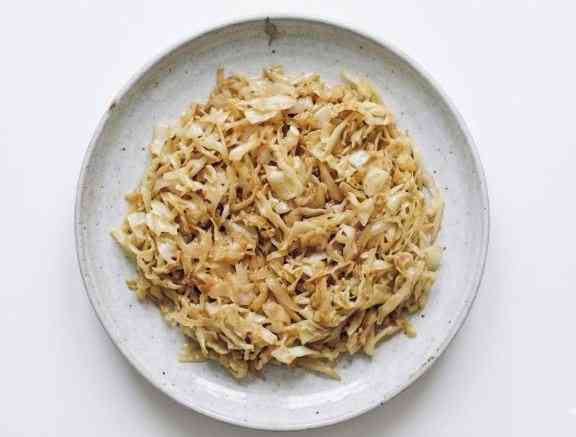
What Is Marshoosheh?
Marshoosheh is a common peasant food in Lebanon that uses very simple ingredients but is still deeply satisfying. The name comes from the Arabic word meaning “sprinkled,” which perfectly describes how the cracked wheat (bulgur) looks scattered throughout the sautéed cabbage.
What makes marshoosheh so special is how it’s still rich in flavor despite being made from a handful of basic ingredients. The cabbage becomes sweet and tender as it cooks down, the bulgur adds texture, while the onions and chili powder provide depth and warmth, which ties everything together.
You’ll find marshoosheh served both as part of a mezze spread alongside other vegetarian dishes, or as a simple main course with warm pita bread and perhaps a side of yogurt or pickles.
If you love this marshoosheh recipe, you’ll probably also enjoy Mujadara (lentils and rice with caramelized onions), Lebanese Green Beans in Olive Oil (Loubieh bi Zeit), Fatteh (layered dish with crispy bread and yogurt), Batata Harra (spicy potatoes), and of course, fresh Lebanese Oregano Salad (Salatet Zaatar Akhdar).
Marshoosheh Recipe Ingredients
Vegetables
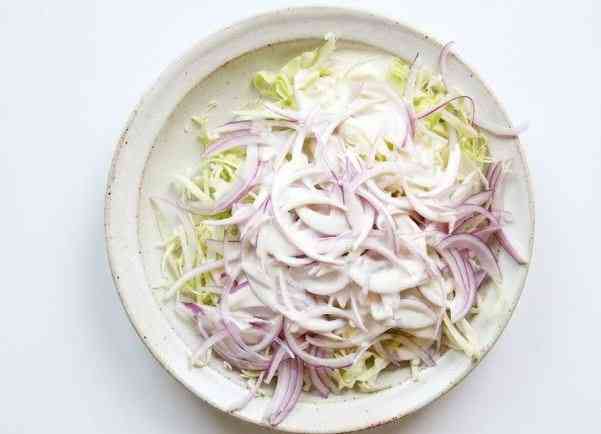
1/2 head green cabbage, sliced lengthwise – The star of the show! Green cabbage becomes sweet and tender when cooked, losing its raw bite while developing deep, caramelized flavors. Slice it lengthwise (following the natural lines of the leaves) into strips about 1-2 inches wide. The cabbage will shrink significantly as it cooks.
1 large onion, chopped – Yellow or white onions work beautifully here. They add sweetness and aromatic depth as they soften and caramelize slightly in the olive oil. Chop them into medium dice—not too fine, as they’ll break down during cooking.
Grains and Seasonings
2 tablespoons cracked wheat (bulgur) – This is what gives marshoosheh its distinctive texture and nutty flavor. Bulgur is dried, cracked wheat that’s been partially cooked, so it softens quickly when simmered with the vegetables.
1/2 to 1 teaspoon hot chili powder or cayenne pepper – This brings warmth and a gentle kick to the dish. Traditional marshoosheh has some heat, but adjust according to your preference. Start with 1/2 teaspoon if you’re heat-sensitive; go for a full teaspoon if you like spice. You can also use Aleppo pepper for an authentic Middle Eastern flavor.
1/2 teaspoon salt – Essential for bringing out the sweetness of the cabbage and balancing all the flavors. You may need to adjust depending on how salty your other ingredients are.
Cooking Oil
5-7 tablespoons olive oil – This is Lebanese cooking, so don’t skimp on the olive oil! It’s not just cooking fat—it’s a flavor ingredient that enriches the entire dish.
The generous amount of oil helps the vegetables caramelize beautifully and gives the bulgur a silky texture. Use regular olive oil rather than extra virgin for cooking; save the fancy stuff for finishing.
Liquid
1/4 cup water – Just enough moisture to help steam the cabbage and bulgur, ensuring everything cooks through without burning. The water mostly evaporates, leaving behind concentrated flavors.
How to Make Marshoosheh (Cabbage and Cracked Wheat Sauté)
Step 1: Sauté the onions
Heat the 5-7 tablespoons of olive oil in a large frying pan or cooking pot over medium heat. Add the chopped onion and sauté for about 5 minutes, stirring occasionally, until the onions start to soften and turn translucent. You want them lightly golden and fragrant, not browned.
Step 2: Add the cabbage
Add the sliced cabbage to the pan with the onions. Using tongs or a wooden spoon, mix everything together well so the cabbage gets coated with the oil and starts to wilt. At first, the pan will seem very full, but the cabbage will shrink dramatically as it cooks. Keep stirring for 2-3 minutes until the cabbage starts to soften.
Step 3: Season and add the bulgur
Add the 1/2 teaspoon salt and 1/2 to 1 teaspoon chili powder (or cayenne pepper) to the cabbage mixture. Sprinkle the 2 tablespoons of cracked wheat (bulgur) over everything. Mix well so the bulgur and spices are evenly distributed throughout the cabbage. The bulgur should look “sprinkled” throughout—hence the name marshoosheh!
Step 4: Add water and simmer
Pour the 1/4 cup of water over the mixture and stir everything together one more time. Cover the pot with a lid, reduce the heat to low-medium, and let it simmer for 10-15 minutes. Check and stir occasionally to prevent sticking and ensure even cooking.
Step 5: Check for doneness
After 10-15 minutes, the cabbage should be completely tender but not mushy, the bulgur should be soft and chewy, and most of the liquid should be absorbed. Taste and adjust seasoning-you might want a bit more salt or spice.
Step 6: Serve
Marshoosheh can be served hot straight from the pan, at room temperature, or even cold. Transfer to a serving platter and serve with warm pita bread. Some people like to drizzle a little extra olive oil on top before serving.
Additions and Substitutions
Cabbage substitute: Red cabbage works beautifully and adds gorgeous color, though it will turn everything slightly purple. Napa cabbage cooks faster and has a more delicate flavor. In a pinch, you could even use thinly sliced Brussels sprouts.
Bulgur substitute: If you can’t find bulgur, quinoa makes a decent substitute (though it’s not traditional). Use the same amount, and it will cook in about the same time. Steel-cut oats could also work in a pinch, though you might need to add a bit more water and cook longer.
Chili powder substitute: Aleppo pepper is more authentic and has a fruity, complex heat. Crushed red pepper flakes work too. If you don’t like heat at all, you can skip it, though the dish will be less interesting.
Olive oil substitute: Any neutral cooking oil works, but you’ll lose some of that characteristic Lebanese flavor. Avocado oil or vegetable oil are fine options.
Add protein: For a heartier meal, add cooked chickpeas or white beans in the last 5 minutes of cooking. Some people add ground lamb or beef when sautéing the onions for a non-vegetarian version.
Add more vegetables: Diced tomatoes, bell peppers, or carrots can be sautéed with the onions for extra color and nutrition.
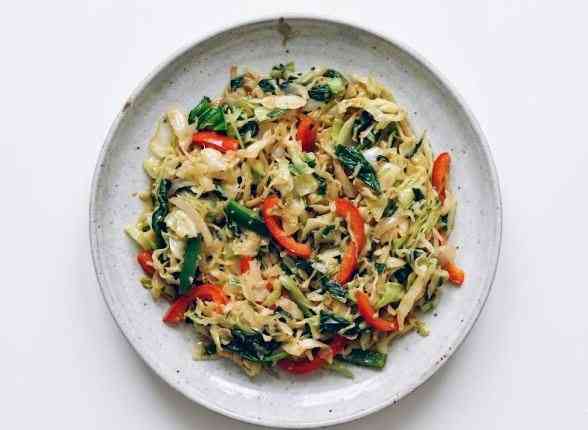
Add spices: Some cooks add minced garlic along with the onions, or finish the dish with fresh lemon juice for brightness.
Make it sweeter: A pinch of cinnamon or a drizzle of pomegranate molasses adds a sweet-tart note that some Lebanese families love.
Add pine nuts: Toast some pine nuts and sprinkle on top before serving.
Behind the Marshoosheh Recipe
I first encountered marshoosheh at a friend’s Lebanese grandmother’s house, where she made it on what she called a “nothing in the fridge” day. She apologized for serving such “simple food,” but when I tasted it, I was blown away. How could something made from cabbage, onions, and a handful of bulgur taste so incredibly good?
She laughed at my surprise and explained that marshoosheh is exactly the kind of dish Lebanese mothers have been making for generations when they need to feed their families on a tight budget. “We Lebanese know how to make the most of little,” she said with pride. “Good olive oil, the right spices, and a little patience-that’s all you need.”
I’ve made marshoosheh countless times since then, often when I’m trying to use up that half-head of cabbage wilting in my fridge or when I need a quick vegetarian option that doesn’t feel like a compromise. And the best part is that it’s “cheap”.
Marshoosheh Recipe Frequently Asked Questions
Can I make marshoosheh ahead of time?
Absolutely! Marshoosheh actually tastes even better the next day as the flavors continue to develop. You can make it up to 3 days in advance and store it covered in the refrigerator. Serve it cold, at room temperature, or reheat it gently on the stovetop or in the microwave.
Is marshoosheh supposed to be spicy?
Traditional marshoosheh has some warmth from chili powder or cayenne pepper, but it’s not extremely spicy—just pleasantly warm. The heat level is easily adjustable to your preference. Start with less and add more as needed, or skip it entirely if you prefer no heat.
Can I serve this as a main dish?
Yes! While marshoosheh is often served as part of a mezze spread or as a side dish, it’s substantial enough to be a main course, especially when served with pita bread, yogurt, and perhaps a simple salad. It’s a complete meal with vegetables, whole grains, and healthy fats.
How do I reheat leftover marshoosheh?
Reheat it gently in a covered pan on the stovetop with a splash of water or in the microwave. You can also enjoy it cold straight from the fridge-many Lebanese people prefer it this way.
Why is my marshoosheh watery?
You may have added too much water, or the heat was too low so the liquid didn’t evaporate properly. Next time, use just 1/4 cup of water and make sure the heat is at medium-low so there’s a gentle simmer. Remove the lid for the last few minutes if you need to evaporate excess liquid.
Can I freeze marshoosheh?
While you can freeze it for up to 2 months, the texture of the cabbage may become softer upon thawing. It’s best enjoyed fresh or refrigerated for a few days rather than frozen.
Want more simple, delicious Lebanese vegetarian dishes?
Mujadara – Lentils and rice with crispy caramelized onions, another budget-friendly Lebanese classic.
Lebanese Green Beans (Loubieh bi Zeit) – Green beans slowly cooked in olive oil with tomatoes and onions.
Batata Harra – Spicy Lebanese potatoes with garlic, cilantro, and chili.
Fatteh – Layers of crispy pita, chickpeas, yogurt, and pine nuts.
Tabbouleh – Fresh herb salad with bulgur, tomatoes, and lemon.
Fattoush – Crunchy bread salad with sumac dressing and fresh vegetables.
Hummus – Creamy chickpea dip, perfect alongside marshoosheh.
Marshoosheh Recipe
Ingredients
Method
- Sauté the chopped onion in olive oil over medium heat until soft and translucent.
- Add the sliced cabbage and cook until it begins to wilt.
- Stir in the salt, chili powder, and cracked wheat (bulgur).
- Pour in the water, cover, and simmer on low-medium heat for 10–15 minutes, stirring occasionally.
- Cook until the cabbage is tender, the bulgur is soft, and most of the liquid is absorbed.
- Serve hot, warm, or cold with pita bread and optional extra olive oil.
Leave a Reply