Fermented foods have been a cornerstone of Lebanese cuisine for centuries, but some traditions have quietly slipped away. Keshek el Fouqara (literally “poor man’s cheese”) is one such tradition – an ancient bulgur cheese that was once a staple in Lebanese households until about 50 years ago. This remarkable recipe transforms bulgur wheat into a delicacy through fermentation.
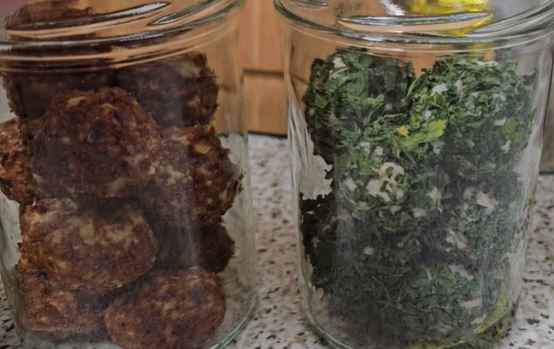
What is Keshek el Fouqara and Where Did it Come From?
Keshek el Fouqara is a fermented bulgur cheese that originated in the mountains of Lebanon, developed by resourceful farmers who couldn’t afford to keep dairy animals. The name itself tells the story: “keshek” refers to a type of preserved food, while “el fouqara” means “of the poor.” This wasn’t just a clever name – it was literal. When you’re too poor to own a goat for making cheese, you get creative.
These ingenious farmers discovered that by soaking and fermenting bulgur wheat over several weeks, they could coax out complex, cheese-like flavours that could satisfy the same cravings as dairy cheese. The fermented bulgur would be shaped into balls, preserved in olive oil, and used throughout the year as a powerful flavour enhancer – spread on bread, crumbled into stews, or eaten simply with olive oil and black pepper.
How Does It Taste?
If you’ve never tasted fermented grain, the flavour profile of keshek el fouqara might surprise you. It’s known as “poor man’s cheese” not just because of its origins, but because of its genuine cheese-like qualities. The fermentation creates tangy, funky notes reminiscent of aged goat cheese, with an earthy, slightly sour complexity that develops over time.
I’ll be honest – it’s an acquired taste for some people. The first bite might make you pause, especially if you’re not accustomed to fermented foods. But give it a chance. Like many fermented foods (think kimchi, natto, or blue cheese), what seems strange at first can become utterly craveable. The umami depth is remarkable, and the way it melts into warm dishes or enriches a simple piece of bread is truly special.
The flavour also varies depending on fermentation time and the ambient temperature in your kitchen. A shorter fermentation (4 weeks) yields a milder, slightly tangy result, while a longer fermentation (6+ weeks) produces something much funkier and more complex.
Keshek el Fouqara Ingredients
The beauty of this recipe is its simplicity – you need just three essential ingredients, plus olive oil for storage. The optional herbs and spices for coating are where you can get creative. For exact amounts, see the full recipe card below.
Essential Ingredients
Bulgur wheat (500g): Use medium or coarse bulgur wheat, not fine bulgur. The coarser grain holds up better during the long fermentation process. You can find bulgur at Middle Eastern markets, health food stores, or online. Make sure it’s plain bulgur wheat with nothing added.
Salt (28g): This precise amount of salt is important – it’s about 2% of the weight of the bulgur, which creates the right environment for beneficial fermentation while preventing harmful bacteria from taking over. Use fine sea salt or kosher salt.
Water (1400ml): Use filtered or spring water if possible. Chlorinated tap water can inhibit fermentation, though if that’s all you have, you can let it sit out overnight to allow the chlorine to evaporate.
Extra virgin olive oil (1 liter): This is for preserving the finished cheese balls. Don’t skimp on quality here – a good, fruity olive oil not only preserves the cheese but becomes part of the final flavour. The oil itself becomes infused with the cheese and can be used for cooking or drizzling.
Optional Coating Ingredients
This is where you can personalize your keshek el fouqara. Traditional coatings include:
- Za’atar: The classic choice, adding herbal, tangy notes
- Dried mint: Provides a fresh, aromatic quality
- Aleppo pepper or red chili flakes: For a spicy kick
- Sesame seeds: Adds nuttiness and texture
- Nigella seeds (black cumin): Provides a subtle, peppery flavor
- Sumac: Adds extra tanginess and a beautiful color
You can use one coating or mix and match. Some people like to make different varieties with different coatings, so they have options.
How to Make Keshek el Fouqara
This recipe unfolds over two main phases: the fermentation phase (4-6 weeks) and the aging phase (another 4-6 weeks). While this sounds daunting, the actual hands-on time is minimal – just a few minutes of stirring each day during fermentation, then a couple hours of work to drain, shape, and jar the cheese.
What You Need
- 2-liter mason jar
- Cheesecloth
- Butcher’s string
- Colander
- Clean glass jars for storage
Step 1:
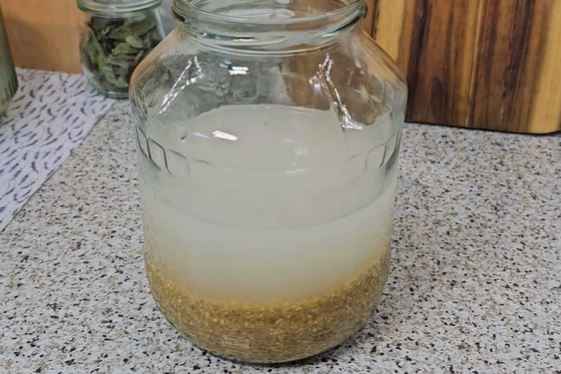
In a clean 2-liter mason jar, combine the bulgur, salt, and water. Stir well to dissolve the salt and distribute the bulgur evenly. The mixture will look quite watery at this stage – that’s normal.
Step 2:
Let the mixture sit for about 1 hour to allow the bulgur to absorb water and swell. After an hour, give it another good stir. You’ll notice the bulgur has expanded and the water level has dropped.
Step 3:
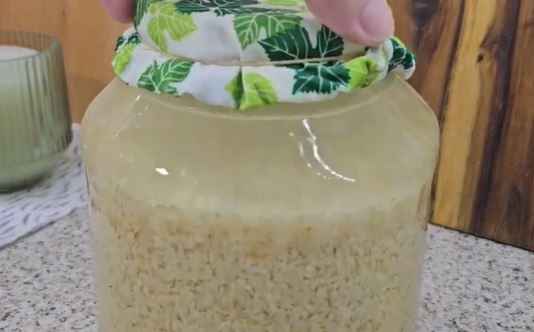
Cover the jar with cheesecloth (secured with a rubber band or the jar’s ring without the lid) to allow air circulation while keeping out dust and insects. Place the jar in a dark cupboard or pantry where the temperature is relatively stable.
Step 4:
For the next 4-6 weeks, stir the bulgur once daily with a clean spoon. This daily stirring is crucial – it prevents mold from forming on the surface and ensures even fermentation throughout the mixture.
Step 5:
In the first few days, you’ll notice the bulgur rises to the top. Press it down gently with your spoon after stirring. There should be a thin layer of water covering the bulgur. If the bulgur looks dry or exposed, add a little more water (a few tablespoons at a time).
Step 6:
After 3-5 days, you’ll start seeing bubbles rise to the surface when you shake the jar or stir the bulgur. This is exciting – it means fermentation has begun! The mixture might smell slightly sour or yeasty. This is exactly what you want.
Step 7:
As the days progress, the bulgur will begin breaking down into a paste-like consistency when you stir it. A white layer of yeast may develop on the surface – this is completely normal and safe. Just stir it back in. By week 2-3, the mixture should taste slightly cheesy.
Step 8:
Continue fermenting until the flavour develops to your liking. The timeline depends on your kitchen temperature (warmer = faster fermentation) and personal preference. Taste it weekly after the first two weeks. When it has the flavor you want, it’s ready for the next phase.
Step 9:
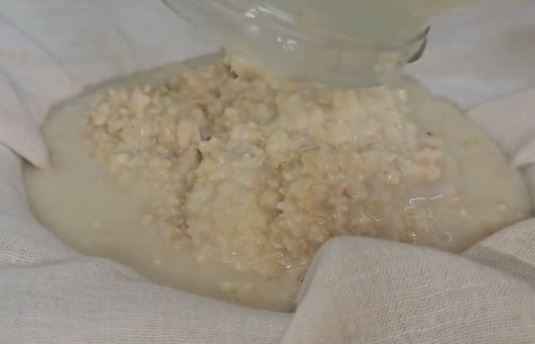
Line a colander with several layers of cheesecloth. Pour the fermented bulgur into the cloth. Gather the edges of the cheesecloth and tie them tightly with butcher’s string to create a bundle.
Step 10:
Hang the bundle from a height (you can tie it to a cabinet handle, wooden spoon balanced over a pot, or even your kitchen faucet) with a bowl underneath to catch the liquid that drains out. Let it drain overnight, or for at least 12 hours.
Step 11:
The next day, squeeze the bundle to extract as much moisture as possible. You want the bulgur paste to be fairly dry and moldable. Transfer the paste to a clean bowl and knead it with your hands for several minutes until smooth and cohesive.
Step 12:
Shape the mixture into small balls, about the size of a walnut (2-3cm in diameter). If desired, roll the balls in your chosen coating of dried herbs, spices, or seeds, pressing gently so the coating adheres.
Step 13:
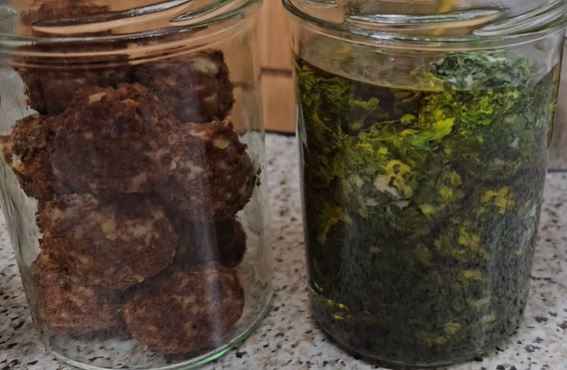
Pack the balls into clean, dry mason jars, leaving about 1 inch of space at the top.
Step 14:
Pour extra virgin olive oil over the balls until they are completely submerged, with at least 1cm of oil covering the top layer. This is important – any exposure to air can cause spoilage.
Step 15:
Seal the jars and store them in a cool, dark place. You can eat the keshek el fouqara immediately, but it will develop more complex flavours if you let it age for another 4-6 weeks.
Step 16:
As you use the cheese balls, always make sure the remaining balls are covered with oil. You can top up with more olive oil as needed.
The Benefits of Fermenting Bulgur Wheat
Beyond the incredible flavour transformation, fermenting bulgur wheat brings significant nutritional benefits that make this ancient recipe relevant to modern healthy eating:
Improved Nutrition
Fermentation increases the bioavailability of nutrients in grains. The process breaks down phytic acid, an anti-nutrient that can bind to minerals like iron and zinc, making these minerals more available for absorption. Studies have shown that fermented grains can have significantly higher levels of accessible B vitamins as well.
Probiotic Boost
Like other fermented foods such as yogurt, kimchi, and sauerkraut, keshek el fouqara is rich in beneficial bacteria. These probiotics support gut health, which is increasingly recognized as central to overall health – affecting everything from digestion and immune function to mood and mental clarity.
Improved Digestion
The enzymes produced during fermentation pre-digest the starches in the bulgur, making the final product easier to digest than raw grain. This is particularly helpful for people who struggle with bloating or gas when eating whole grains.
Umami Flavor
The fermentation process creates glutamic acid, the compound responsible for umami flavor – that savory, deeply satisfying taste that makes food irresistible. This transforms bulgur from a mild, neutral grain into a flavor powerhouse that can elevate any dish.
How to Use Keshek el Fouqara
Once you’ve made this incredible ingredient, you’ll want to use it in as many ways as possible. Here are some traditional and modern serving suggestions:
The Classic: Smear a cheese ball on warm, crusty bread, drizzle with the infused olive oil from the jar, and finish with a crack of black pepper. This simple preparation lets the complex flavour shine.
As a Condiment: Crumble it over fattoush, tabbouleh, or other Lebanese salads for a tangy, umami boost.
In Cooking: Add crumbled keshek el fouqara to soups, stews, or grain dishes during the last few minutes of cooking. It melts into the dish, adding incredible depth.
With Vegetables: Toss roasted vegetables with crumbled keshek el fouqara and a drizzle of its olive oil.
On Pizza or Flatbread: Use it like you would use feta or goat cheese as a topping.
In Dips: Blend it with tahini, lemon juice, and garlic for a unique twist on traditional mezze.
Advance Prep and Storage Tips
Making in Batches: This recipe is easily doubled or tripled. Since you’re investing weeks into the process, many people prefer to make a large batch. Just make sure your fermentation vessel is large enough to accommodate the bulgur’s expansion, with plenty of headroom.
Storage Duration: As long as the cheese balls remain completely submerged in olive oil and stored in a dark place, they will keep for several months – some say up to a year. Always use a clean, dry spoon when removing balls from the jar to prevent introducing moisture or contaminants.
The Oil: Don’t throw away that infused olive oil! As you use the cheese balls, the oil becomes increasingly flavourful. Use it for dressing salads, drizzling over dishes, or as a cooking oil for extra flavor.
Identifying Issues with Fermentation: If you notice pink or black mold (as opposed to white yeast), the batch has gone bad and should be discarded. This is rare if you’re stirring daily, but it can happen. If the mixture develops an off-putting smell (beyond the normal sour, fermented smell), trust your instincts and start over.
Frequently Asked Questions
Do I need any special equipment for this recipe?
No special equipment is needed beyond a 2-liter mason jar, cheesecloth, and butcher’s string. A colander for draining is helpful, but you could improvise with a strainer. The most important thing is cleanliness – make sure all your equipment is thoroughly cleaned before starting.
Can I speed up the fermentation process?
You can place the jar in a warmer location (like on top of your refrigerator or near a heating vent) to speed up fermentation, but I don’t recommend rushing it too much. The slow fermentation allows for more complex flavor development. You might cut the time down to 3-4 weeks in a warm environment, but going shorter than that won’t give you the full flavour.
What if I can’t stir it every single day?
While daily stirring is ideal, missing a day here and there won’t ruin your batch. If you know you’ll be away for a few days, make sure to press the bulgur down very well before you leave and give it an extra-thorough stir when you return.
Can I make this with other grains?
Traditionally, this is made with bulgur, which is parboiled cracked wheat. The parboiling process makes bulgur particularly suitable for this fermentation. Other grains might ferment, but they would create a different product with different flavours and textures.
Is it safe to ferment at room temperature for so long?
Yes, when done correctly. The salt content and daily stirring create an environment where beneficial bacteria thrive while harmful bacteria cannot. Fermentation has been used as a food preservation technique for thousands of years. That said, always use your senses – if something looks, smells, or tastes wrong, don’t eat it.
Can I use this if I’m vegan?
Absolutely! Keshek el fouqara is completely plant-based, making it a great option for vegans looking for complex, cheese-like flavors without dairy.
Keshek el Fouqara Recipe (Lebanese Bulgur Cheese)
Ingredients
Method
- Combine the bulgur, salt, and water in a clean jar, let sit for 1 hour, then stir again.
- Cover with cheesecloth and keep in a dark place for 4–6 weeks, stirring daily and keeping the bulgur slightly submerged in water.
- After a few days, fermentation will begin with bubbles and a sour aroma; continue fermenting until it develops a tangy, cheese-like flavor.
- Drain the fermented bulgur in cheesecloth overnight, then squeeze out excess moisture.
- Knead the paste until smooth and shape into small balls. Roll in optional herbs, spices, or seeds if desired.
- Pack the balls into clean jars and fully cover them with olive oil.
- Seal and store in a cool, dark place. Eat immediately or age for another 4–6 weeks for deeper flavor.
- Keep the cheese balls submerged in oil at all times during storage.
Notes
- The fermentation time will vary based on ambient temperature. Warmer kitchens (75-80°F/24-27°C) will ferment faster than cooler ones.
- Always use a clean, dry spoon when removing cheese balls from the jar to prevent introducing moisture or contaminants.
- The added olive oil becomes increases in falvor over time and can be used in cooking or for dressing salads.
Leave a Reply