You can create authentic Lebanese beef shawarma in your own kitchen, and it’s surprisingly simple. With the right marinade and technique, you’ll have restaurant-quality shawarma that rivals anything you’d get from a street vendor.
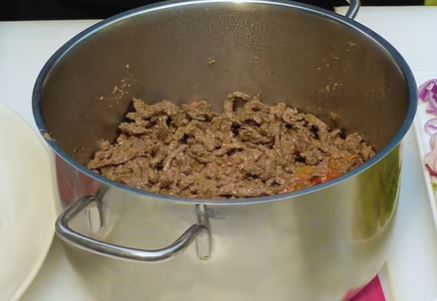
What is Lebanese Shawarma?
Shawarma is one of the most common Middle Eastern dishes in the world, right alongside falafel and hummus.
It consists of thinly sliced, deeply marinated meat – traditionally beef, lamb, or chicken – stacked on a vertical rotisserie spit and slowly cooked for hours as it turns against a gentle, consistent heat.
The outer layer gets beautifully caramelized and slightly charred, and as it’s shaved off, fresh layers are exposed to continue the process.
The meat is then wrapped in warm pita bread with other additional ingredients. For beef shawarma specifically, this typically includes tahini sauce, roasted tomatoes, chopped parsley, crispy French fries, and pickles.
Shawarma vs Greek gyros
People often confuse shawarma with Greek gyros, and while they have the same cooking method (vertical rotisserie), the flavors are quite different:
Spice Profile: Shawarma uses a complex blend of warm Middle Eastern spices – cinnamon, cardamom, nutmeg, cloves, cumin, and coriander. Gyros typically uses a simpler blend of Mediterranean herbs like oregano, with less emphasis on warm spices.
Meat Preparation: Shawarma meat is marinated for many hours (often overnight) in a mixture of spices, citrus, and vinegar before cooking. Gyros meat is usually seasoned but not marinated as extensively.
Accompaniments: Shawarma is served with tahini sauce (for beef) or toum/garlic sauce (for chicken), pickles, tomatoes, parsley, and often French fries. Gyros comes with tzatziki sauce, tomatoes, onions, and sometimes fries, but the overall flavor profile is distinctly Greek rather than Levantine.
Lebanese Beef Shawarma Ingredients
The beauty of making shawarma at home is that you can control the quality of every ingredient. Here’s what you’ll need, with detailed notes about each component. For exact measurements, see the recipe card below.
Meat Selection for Beef Shawarma
Beef (2 lbs): This is the most important ingredient, so choose wisely. You want a cut with good marbling and fat content – the fat is crucial for flavor and moisture. Good options include:
- Ribeye steak (excellent choice for nice flavor)
- Chuck roast (very affordable)
- Sirloin steak (leaner but still good)
- Beef shoulder roast (great for the oven method)
Avoid lean cuts like tenderloin or round steak – they’ll dry out and won’t have the rich flavor you want. The photos in this recipe show a roast cut, but you can use any well-marbled steak cut.
Can you mix meats? Absolutely! Some people like to mix beef with lamb leg meat for a more complex flavor. A 50/50 or 70/30 beef-to-lamb ratio works beautifully.
Marinade Ingredients
Garlic (5 cloves): Fresh garlic is essential. It provides pungency and depth that garlic powder simply can’t match.
Lemon juice (½ cup): Fresh is best. The acidity helps tenderize the meat and brightens all the spices. This is a generous amount – it might seem like a lot, but it’s necessary for authentic flavor.
Apple cider vinegar (¼ cup): Adds another layer of acidity and helps tenderize the meat. The slight fruitiness complements the warm spices beautifully.
Olive oil (¼ cup): Use a good quality olive oil. Important: Do NOT blend this with the other marinade ingredients (see the process section for why).
Salt (1 teaspoon): Essential for seasoning and helping the marinade penetrate the meat.
The Spice Blend
This is what makes shawarma truly special. The combination might seem unusual if you’re not familiar with Middle Eastern cooking, but trust the process:
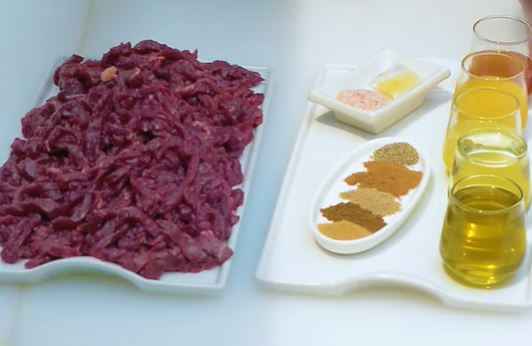
Cloves (1 teaspoon): Whole or powdered. Provides warmth and a slight sweetness with aromatic depth.
Cumin (½ teaspoon): A quintessential Middle Eastern spice with earthy, slightly nutty notes.
Caraway (½ teaspoon): Adds a subtle licorice-like flavor that’s characteristic of Levantine cooking.
Cardamom (½ teaspoon, powdered): Brings floral, citrusy notes that make the blend complex and memorable.
Oregano or thyme (½ teaspoon): Dried or fresh. Adds herbaceous notes. Oregano is more traditional, but thyme works well too.
Cinnamon (½ teaspoon): Might seem odd in a savory dish to Western palates, but it’s absolutely essential in shawarma. It adds warmth without making it taste “sweet.”
Nutmeg (½ teaspoon): Another warm spice that rounds out the blend beautifully.
Peppercorn (½ teaspoon): Use whole peppercorns if possible and blend them with the marinade. Adds gentle heat and aromatics.
Chili powder (¼ teaspoon): Just enough to add subtle heat. This isn’t meant to be a spicy dish, so keep it moderate.
Ground ginger (¼ teaspoon): Adds brightness and a slight zing that complements the other warm spices.
Tahini Sauce Ingredients
The sauce is crucial – it ties everything together:
Tahini paste (2 teaspoons): This is ground sesame seed paste. Make sure to stir your tahini well before measuring, as it separates in the jar.
Lemon juice (1 cup): Yes, a full cup! Tahini sauce is meant to be tangy and thin enough to drizzle easily.
Garlic (3 cloves): Provides a sharp, pungent kick that cuts through the richness.
Salt (1 teaspoon): Balances the flavors.
Sandwich
Pita bread (1 loaf): Lebanese pita is thinner than Greek pita. Look for it at Middle Eastern markets, or use whatever pita you can find.
Italian parsley (½ cup, finely chopped): Flat-leaf parsley only – it’s traditional and has better flavor than curly parsley.
Tomato (1 small, roasted or grilled): Grilling or roasting the tomato adds a smoky sweetness that’s worth the extra step.
French fries (½ cup): This might surprise you if you haven’t had Middle Eastern shawarma before, but fries in the wrap are absolutely traditional and add incredible texture.
Lebanese pickles: This is important. Look for Lebanese or Middle Eastern pickles at specialty stores – they’re typically pickled cucumbers with a distinctive flavor.
How to Make Lebanese Beef Shawarma
Making shawarma at home is a two-day process, but the hands-on time is minimal.
Day one is all about preparing and marinating the meat.
Day two is cooking and assembly.
Preparing the Marinade
Step 1: Cut your beef into chunks approximately 3-4 inches in length and no more than ⅔ inch in thickness. This size is crucial – too small and the meat will dry out, too large and it won’t cook evenly (especially with the panini grill method).
Step 2: In a blender (a Magic Bullet or similar small blender works perfectly for this), combine all the spices with the lemon juice and apple cider vinegar. Blend for 1-2 minutes until you have a smooth, fragrant marinade.
Step 3: Here’s the important part: Do NOT add the olive oil to the blender. When olive oil is blended with acidic ingredients, it emulsifies and creates a thick mixture that somehow masks the flavors rather than enhancing them. I’m not entirely sure why this happens, but I’ve tested it both ways multiple times, and keeping the oil separate definitely yields better results.
Step 4: Place the beef chunks in a large bowl or container. Pour the blended marinade over the meat and use your hands to rub it thoroughly into every piece, making sure all surfaces are coated.
Step 5: After rubbing in the marinade, drizzle the olive oil over the top and give it one more gentle massage to distribute the oil. The oil will coat the meat and help seal in the marinade.
Step 6: Cover the container tightly and refrigerate overnight, or for at least 8-12 hours. This long marination is essential – it allows the spices to penetrate deeply and the acids to tenderize the meat. If you can marinate for 24 hours, even better.
Step 7: During marination, if you think of it, give the meat a stir or flip the pieces once or twice to ensure even coverage. This isn’t essential, but it helps.
Cooking Method 1: Panini Grill (Faster)
Step 8: Remove the marinated beef from the refrigerator about 20 minutes before cooking to take the chill off.
Step 9: Preheat your panini press or George Foreman grill to medium-high heat. You want it nice and hot to get good caramelization.
Step 10: Lay the marinated chunks on the grill in a single layer. Close the lid and cook for 10-15 minutes. The exact time will depend on your grill’s heat and the thickness of your meat. You want the meat cooked through with nice char marks, but still juicy inside.
Step 11: Remove from the grill and let rest for 5 minutes on a cutting board, then use a sharp knife to shred or thinly slice the meat, mimicking the way shawarma is shaved from the spit.
Why this method works: The panini grill method yields meat with more char and a slightly smoky, grilled flavor that closely mimics the exterior of spit-roasted shawarma. It’s faster and creates beautiful caramelization. However, the meat can be slightly less tender than the oven method.
Cooking Method 2: Oven Roasting (More Tender, Juicier)
Step 12: Preheat your oven to 270-300°F. This low-and-slow approach is key.
Step 13: Place the marinated beef chunks in a Pyrex or other oven-safe dish. Pour a few tablespoons of the marinade that’s accumulated in the bottom of the container over the meat.
Step 14: Cover the dish tightly with aluminum foil, creating a seal. This traps steam and moisture, essentially braising the meat.
Step 15: Roast for 2 hours. The long, gentle cooking breaks down connective tissue and makes the meat incredibly tender.
Step 16: Remove from the oven and let rest for 10 minutes. The meat should be so tender it nearly falls apart when you try to shred it. Shred or slice thinly on a cutting board.
Why this method works: The oven method produces exceptionally juicy, tender meat that practically melts in your mouth. It’s more forgiving and harder to overcook. The trade-off is less char and caramelization compared to the grill method. Some people like to finish oven-roasted shawarma under the broiler for 2-3 minutes to add some char.
Making the Tahini Sauce
Step 17: In a blender, combine the tahini paste, garlic, lemon juice, and salt. Blend until smooth. The mixture will seize up and become very thick at first – this is normal.
Step 18: As you continue blending, the sauce will suddenly loosen and become smooth and pourable. If it’s too thick, add a tablespoon or two of water. The final consistency should be like heavy cream – thick enough to coat but thin enough to drizzle.
Making The Shawarma Wrap
Step 19: Warm your pita bread. You can do this in a dry skillet, over an open flame (if you have a gas stove), or wrapped in foil in a low oven. Warm pita is pliable and wraps better.
Step 20: Lay the pita on a flat surface. Place 4-6 ounces of shredded shawarma meat along the diameter of the bread (horizontally across the middle).
Step 21: Drizzle generously with tahini sauce – don’t be shy! The sauce is what makes everything come together.
Step 22: Add your toppings: roasted or grilled tomato slices, a handful of crispy French fries, Lebanese pickles, and a generous sprinkle of chopped parsley.
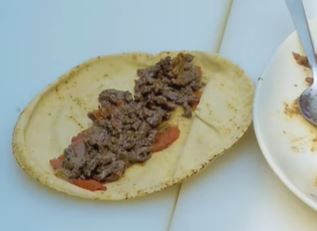
Step 23: To wrap, fold the bottom edge up over the filling, then fold in the sides, and continue rolling tightly into a cylinder. If you’re serving immediately, you can wrap the bottom half in aluminum foil or parchment paper to hold it together and catch any drips (this is how it’s done on the streets of Beirut).
Step 24: Serve immediately while everything is hot and the textures contrast beautifully.
If you like my beef sharwarma recipe, then you should also check out my vegan kibbeh and meat pies.
Frequently Asked Questions
Can I make this with chicken instead of beef?
Absolutely. Chicken shawarma is just as popular as beef. Use boneless, skinless chicken thighs (not breasts – they’re too dry). The marinade and cooking time will need to be adjusted. Check out our dedicated Chicken Shawarma Recipe for the best results.
Do I really need all those spices?
While you can make a simplified version, each spice plays a role in creating the authentic, complex flavor of Lebanese shawarma. If you must substitute, the absolutely essential spices are cumin, cinnamon, cardamom, and cloves. But I encourage you to use the full blend – you won’t regret it.
Can I use a regular outdoor grill?
Yes! In fact, grilling over charcoal is fantastic and adds smoky flavor. Thread the marinated chunks onto skewers or use a grill basket, and grill over medium-high heat, turning frequently, until cooked through and charred in spots.
What if I don’t have a panini press or grill?
You can use a regular skillet or grill pan. Cook the meat in batches over medium-high heat, turning occasionally, until cooked through and caramelized, about 10-15 minutes total.
Are French fries really traditional?
Yes! I know it seems unusual, but fries in shawarma wraps are absolutely standard in Lebanon and throughout the Levant. They add texture, substance, and a salty element that works perfectly with the other ingredients. You can use frozen fries – just make sure they’re crispy.
Can I make this recipe vegetarian?
While traditional shawarma is meat-based, you could adapt the marinade for cauliflower steaks or portobello mushrooms. The cooking time would be much shorter – about 20-30 minutes in the oven or 10 minutes on the grill.
How thin should I slice the cooked meat?
Think “shaved” rather than “chopped.” You want thin slices or shreds that mimic what you’d get from a vertical spit. A sharp knife is essential. Some people find it easier to slice the meat when it’s slightly cooled rather than piping hot.
Can I use store tahini sauce?
You can, but homemade is so much better and takes only 2 minutes to make. Store-bought versions often contain additives and don’t have the bright, fresh flavor of homemade.
Easy Lebanese Beef Shawarma Recipe
Ingredients
Method
- Cut the beef into thin chunks and blend the garlic, lemon juice, vinegar, and spices into a smooth marinade.
- Coat the beef thoroughly with the marinade, drizzle with olive oil, cover, and refrigerate for at least 12 hours.
- Cook the beef either on a grill until charred and cooked through or roast in the oven until very tender.
- Let the meat rest, then shred or thinly slice it.
- Blend the tahini paste, garlic, lemon juice, and salt until smooth, adding water if needed for a pourable consistency.
- Warm the pita bread and fill each with shawarma meat, tahini sauce, tomato slices, fries, pickles, and parsley.
- Fold and roll the pita tightly into wraps.
- Serve immediately while hot.
Notes
- Magic Bullet or small blender
- Panini press or George Foreman grill (for Method 1)
- Pyrex baking dish and aluminum foil (for Method 2)
- Sharp knife for shredding
- Skillet for warming pita (optional)