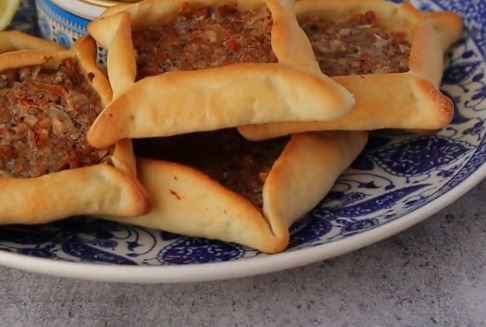
Sfeeha (also spelled sfiha), or lahm bi ajeen (literally “meat with dough”), are Lebanese meat pies – thin, crispy flatbreads topped with a spiced ground meat mixture that’s tangy from pomegranate molasses, and laden with pine nuts and Lebanese spices.
What Are Sfeeha and Where Did They Come From?
Sfeeha are open-faced meat pies that consist of a thin flatbread base topped with a seasoned ground meat mixture. Unlike closed pies or pastries, sfeeha are always open-faced, with the meat mixture spread generously across the entire surface of the dough. When baked at high heat, the dough becomes crispy on the bottom and edges while remaining slightly chewy in the center, and the meat topping caramelizes slightly, developing deep, complex flavors.
The name “sfeeha” comes from the Arabic word for “flat” or “flattened,” which perfectly describes these thin, open-faced pies. They’re also commonly called “lahm bi ajeen,” which translates literally to “meat with dough” – a straightforward description that tells you exactly what you’re getting.
Regional Variations and Names
Sfeeha are popular throughout the Levant and Middle East, with each region having its own variation:
Lebanese Sfeeha: Typically open-faced, relatively thin, and seasoned with pomegranate molasses, which gives them a distinctive tangy-sweet flavor. Lebanese versions often include pine nuts in the meat mixture and are served flat or folded.
Syrian Sfeeha: Can be either open or closed into triangular parcels. The meat mixture is similar but sometimes spiced differently, with more emphasis on allspice and cinnamon.
Turkish Lahmacun: The Turkish cousin of sfeeha, called lahmacun or lahmajun (derived from the Arabic “lahm ajeen”). Turkish versions are typically paper-thin, very crispy, and often rolled up with fresh herbs and a squeeze of lemon before eating.
Jordanian and Palestinian variations: Often made slightly thicker and sometimes include tahini mixed into the meat or drizzled on top.
The spelling variations you’ll encounter – lahmajun, lahmajin, lahm bi ajeen, lahm ajeen – all refer to the same basic concept, though the exact preparation may vary by region.
The Saaj Tradition
Traditionally, sfeeha and other Lebanese flatbreads were baked on a “saaj” – a dome-shaped metal griddle heated over wood or gas fire. The saaj is an ancient cooking method still used in many Lebanese villages and some traditional bakeries. The high, dry heat of the saaj creates an incredibly crispy bottom crust while the dome shape allows the top to cook from radiant heat.
Today, most people (including me) use a conventional oven, which produces excellent results when heated to very high temperatures. The key is that high heat – you want your oven as hot as it will go to imitate the intense heat of a traditional saaj.
Sfeeha (Lahm bi Ajeen) Ingredients
This recipe has two main components: the dough and the meat topping. While you can certainly use store-bought pizza dough to save time, making the dough from scratch is surprisingly easy and yields superior results.
Here’s everything you’ll need. For exact measurements, see the recipe card below.
Meat Topping Ingredients
Ground beef (1 lb, lean): Use lean ground beef (90% lean or higher) to prevent the pies from becoming greasy. The meat should have some fat for flavor, but too much will make the topping oily and cause the bread to become soggy. Ground lamb or a combination of beef and lamb also works beautifully and adds more traditional Middle Eastern flavor.
Red onion (1 medium, finely chopped): Red onion is preferred for its slightly sweeter, less pungent flavor compared to yellow onions. The onion must be finely chopped – we’re talking very small pieces, almost minced. Large chunks of onion don’t distribute well and can make the topping watery.
Tomato (1 medium, finely chopped): Fresh tomato adds moisture, acidity, and a subtle sweetness. It should be finely diced and, if the tomato is very juicy, you might want to squeeze out some of the excess liquid to prevent a watery topping. Use ripe but firm tomatoes – overly ripe, mushy tomatoes will make the mixture too wet.
Pine nuts (¾ cup): Called snoubar in Arabic, pine nuts are traditional in Lebanese sfeeha. They add a buttery richness and delightful crunch. They’re expensive, so if budget is a concern, you can reduce the amount to ½ cup or substitute with chopped walnuts or almonds (though this is less traditional).
Pomegranate molasses (2 tablespoons): This is the secret ingredient that makes Lebanese sfeeha distinctive. Pomegranate molasses (also called pomegranate syrup) is a thick, tangy-sweet reduction of pomegranate juice. It provides acidity, a fruity depth, and a subtle sweetness that balances the spices. You can find it at Middle Eastern markets or online. There’s no perfect substitute, but in a pinch, you could use a mixture of lemon juice and a touch of honey or grape molasses.
Lemon juice (1 teaspoon, optional): Adds extra brightness and acidity. This is optional because the pomegranate molasses already provides tanginess, but a little lemon juice enhances it.
Fresh parsley (½ cup, finely chopped, stems removed): Flat-leaf Italian parsley only. The fresh, bright flavor of parsley cuts through the richness of the meat and adds a pop of green color. Make sure it’s finely chopped and that you’ve removed the tough stems.
Lebanese 7 spice (2 teaspoons): This aromatic spice blend typically contains allspice, black pepper, cinnamon, cloves, fenugreek, ginger, and nutmeg. It’s what gives Lebanese meat dishes their characteristic warm, complex flavor. You can buy it pre-made at Middle Eastern markets or make your own blend.
Salt (1-2 teaspoons): Season to taste. The amount needed will depend on your beef and personal preference.
Chili powder (½ teaspoon, or to taste): Adds a gentle heat. Traditional Lebanese sfeeha are mildly spicy, not fiery, so start conservative and add more if you like heat.
Dough Ingredients
All-purpose flour (6 cups): Standard all-purpose flour works perfectly. Bread flour would make a chewier crust, while all-purpose flour gives you a tender, crispy result.
Active dry yeast (½ teaspoon): This seems like a small amount, but it’s intentional. Sfeeha dough doesn’t need to be as puffy and risen as bread dough – you want a thin, crispy base, not a thick, bready crust. The yeast is primarily for flavor development and a slight lift.
Salt (1½ teaspoons): Essential for flavor in the dough.
Sugar (⅛ teaspoon): Just a pinch to activate the yeast.
Warm water (approximately 3-3½ cups): The exact amount may vary based on your flour and humidity. You want a smooth, pliable dough that’s not sticky.
Optional: Olive oil (2-3 tablespoons): While not listed in the original recipe, adding a little olive oil to the dough makes it more pliable and creates a slightly richer, more tender crust.
Shortcut to Save Time
Pre-made pizza dough: If you’re short on time or intimidated by making dough, use store-bought pizza dough or thin-crust flatbread. Many grocery stores sell fresh pizza dough in the refrigerated section, and frozen naan or pita also work well. The flavor won’t be quite as authentic, but it’s a perfectly acceptable shortcut that still yields delicious results.
How to Make Lebanese Meat Pies (Sfeeha)
This recipe involves making the dough, preparing the meat topping, assembling, and baking. If you’re making the dough from scratch, set aside about 45 minutes total (though much of that is hands-off resting time). If using store-bought dough, you’ll cut the time in half.
What You Need
- Food processor with dough blade (or large mixing bowl for hand-kneading)
- Rolling pin
- Baking sheets
- Parchment paper or silicone baking mats (optional)
- Mixing bowls
Making the Dough from Scratch
Step 1: In a small bowl or measuring cup, combine ½ cup warm water (about 110°F/43°C – warm to the touch but not hot) with the tiny pinch of sugar (⅛ teaspoon). Sprinkle the yeast over the water and let it sit for about 5 minutes until it becomes foamy. This “proofs” the yeast, confirming it’s alive and active.
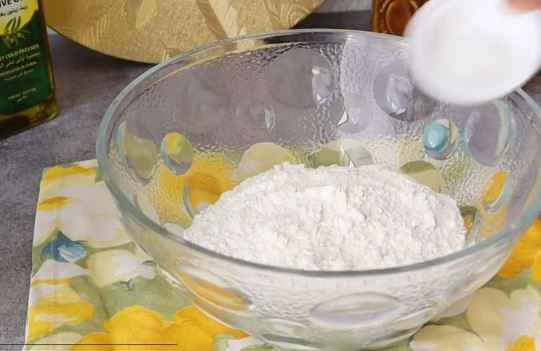
Step 2: In a large food processor fitted with the dough blade (or in a large mixing bowl if making by hand), combine the flour and salt.
Step 3: Once the yeast is foamy, add it to the flour along with enough additional warm water to form a dough – usually about 2½ to 3 cups more water. The exact amount will depend on your flour’s absorption.
Step 4: If using a food processor, pulse and then run continuously until a ball of dough forms and pulls away from the sides of the bowl, about 2-3 minutes. If making by hand, stir with a wooden spoon until it comes together, then turn out onto a floured surface and knead for 8-10 minutes until smooth and elastic.
Step 5: The dough should be smooth, soft, and just slightly tacky but not sticky. If it’s too sticky, add a tablespoon of flour at a time. If it’s too dry and won’t come together, add water a tablespoon at a time.
Step 6: Form the dough into a ball and place it in a lightly oiled bowl. Cover with a damp towel or plastic wrap and let it rest in a warm place for 20-30 minutes. You’re not looking for a huge rise like you would with bread – just a little rest to relax the gluten and make the dough easier to roll.
Why the short rise? Unlike pizza or bread, sfeeha dough is meant to be thin and crispy, not puffy and bready. A short rest is enough to make the dough workable without creating too much rise.
Preparing the Meat Topping
Step 7: While the dough rests, prepare the meat topping. This is the easy part – it’s essentially a no-cook mixture that comes together in minutes.
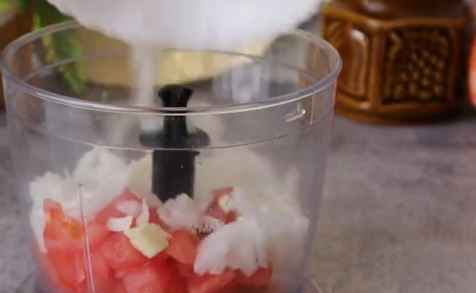
Step 8: In a large mixing bowl, combine the ground beef, finely chopped red onion, finely chopped tomato, pine nuts, pomegranate molasses, lemon juice (if using), chopped parsley, Lebanese 7 spice, salt, and chili powder.
Step 9: Use your hands to mix everything together thoroughly. Really work it with your hands to ensure all the ingredients are evenly distributed throughout the meat. The mixture should be cohesive but still loose – not formed into a solid mass like you would for meatballs.
Step 10: Taste a tiny bit of the raw mixture (if you’re comfortable doing so) or cook a small piece in the microwave to check the seasoning. The mixture should taste well-seasoned, tangy from the pomegranate molasses, and aromatic from the spices. Adjust salt or spices as needed.
Step 11: Cover the bowl and refrigerate the meat mixture while you work with the dough. This keeps it cold and food-safe.
Important note: The meat topping goes on raw and cooks during baking. Don’t cook it beforehand – the high heat of the oven will cook it perfectly while also caramelizing the edges for maximum flavor.
Preparing the Sfeeha
Step 12: Preheat your oven to 500-520°F (260-271°C). This is crucial – you want your oven as hot as possible. If your oven has a convection setting, use it. The high heat mimics a traditional saaj and creates that characteristic crispy crust.
Step 13: Divide the dough into portions. For large sfeeha (about 8 inches in diameter), divide into 10-12 pieces. For smaller ones, divide into 20-24 pieces. Roll each piece into a smooth ball.
Step 14: On a lightly floured surface, use a rolling pin to roll each dough ball into a thin round about ⅓ inch thick (or thinner if you prefer extra-crispy crust). The shape doesn’t have to be perfectly circular – rustic, slightly irregular shapes are traditional.
Step 15: Sprinkle a light dusting of flour on your baking sheets to prevent sticking. Alternatively, use parchment paper or a silicone baking mat. Place the rolled dough rounds on the baking sheets, leaving a little space between them (they won’t spread much).
Step 16: Spoon 3-4 tablespoons of the meat mixture onto each dough round (adjust the amount based on the size of your rounds – you want the meat spread to almost the edges, leaving just a small border).
Step 17: Use the back of a spoon to spread the meat mixture evenly across the surface of the dough, pressing it down gently and spreading it all the way to within about ½ inch of the edges. You want an even, thin layer that covers the entire surface.
Step 18: The meat should be pressed down firmly but not so thin that you can see the dough through it. A good layer of meat ensures every bite is flavorful and that the moisture from the meat keeps the dough from drying out too much.
Baking the Sfeeha
Step 19: Place the baking sheet in the preheated oven. Bake for 10-13 minutes, until the dough has turned golden brown on the edges and the meat is cooked through with slightly caramelized, crispy edges.
Step 20: For extra crispiness and color, you can finish under the broiler for 1-2 minutes. Watch carefully – the broiler works fast and things can burn quickly. You want the meat to develop some charred, caramelized spots and the edges to become deeply golden.
Step 21: Remove from the oven and let cool for just a minute or two. Sfeeha are best served warm, not piping hot (you want to be able to taste all the flavors without burning your mouth).
Step 22: Serve immediately. Traditional accompaniments include a squeeze of fresh lemon juice, a sprinkle of cayenne or Aleppo pepper for heat, or a cold yogurt drink like ayran (salted yogurt thinned with water and ice).
How to Eat Sfeeha
There’s a traditional way to eat sfeeha that maximizes the experience:
For large sfeeha: Fold the pie in half like a taco and eat it while it’s still warm. This keeps all the toppings contained and gives you a perfect ratio of meat to bread in every bite.
For medium sfeeha: Roll it up like a wrap, perhaps with some fresh herbs (parsley, mint) or a drizzle of tahini inside for extra richness.
For mini sfeeha: Pop them in your mouth whole or in two bites as part of a mezze spread.
The squeeze: Many Lebanese people squeeze fresh lemon juice over their sfeeha just before eating. The acidity brightens all the flavors and cuts through any richness.
The Importance of High Heat
One of the most common mistakes when making sfeeha at home is not using high enough heat. The oven needs to be extremely hot for several reasons:
Crispy crust: High heat crisps the bottom and edges of the dough before the inside becomes tough or dry.
Caramelization: The meat topping needs high heat to brown and caramelize, developing complex, slightly charred flavors.
Quick cooking: At lower temperatures, the meat releases more moisture, making the bread soggy. High heat cooks everything quickly before too much moisture can accumulate.
Mimicking the saaj: Traditional saaj ovens operate at very high temperatures. A hot home oven is the best way to replicate those conditions.
Don’t be afraid to crank your oven up to 520°F or even higher if it will go there. Just make sure to watch the pies carefully – at these temperatures, they go from perfect to burnt quickly.
Variations and Related Dishes
Spinach sfeeha (Sabanekh): Instead of meat, use a mixture of chopped spinach, onions, lemon juice, sumac, and pine nuts.
Cheese sfeeha: Top with a mixture of akkawi cheese, mozzarella, and nigella seeds.
Za’atar manakish: Replace the meat with za’atar (wild thyme mixture) mixed with olive oil – a Lebanese breakfast classic.
Closed sfeeha: Instead of open-faced, fold the edges up to create triangular parcels with the meat enclosed.
Yogurt topping: Some variations include tahini or yogurt mixed into the meat or drizzled on top after baking.
Frequently Asked Questions
Can I use ground lamb instead of beef?
Absolutely! Ground lamb is traditional and delicious. You can use 100% lamb or a mixture of lamb and beef (50/50 or 70/30 beef to lamb). Lamb has more fat, so choose lean ground lamb to prevent greasiness.
Do I need to cook the meat before putting it on the dough?
No! The meat goes on raw and cooks perfectly in the hot oven. Pre-cooking would make it dry and change the texture completely.
Can I make these vegetarian?
Yes! Traditional spinach sfeeha (sabanekh) are delicious. Use chopped spinach, onions, lemon juice, sumac, walnuts or pine nuts, and olive oil. You can also make them with za’atar and cheese.
Why did my dough turn out tough?
This usually happens from over-kneading, too much flour, or over-baking. The dough should be soft and pliable, rolled thin, and baked just until golden. Also, make sure your oven is hot enough – lower temperatures require longer baking, which toughens the dough.
Can I use a different type of molasses?
Pomegranate molasses is pretty unique in flavor – it’s both tart and fruity. Regular molasses (like blackstrap) is completely different and won’t work. Tamarind paste thinned with a little water is the closest substitute, or use extra lemon juice with a touch of honey or grape molasses.
Why is my meat topping watery?
This usually comes from very juicy tomatoes or not draining excess liquid. If your tomatoes are very juicy, squeeze out some liquid before adding them to the meat mixture. Also, make sure you’re using lean ground beef – fatty beef releases more liquid during cooking.
Can I make these on a pizza stone?
Yes. A preheated pizza stone gives excellent results. Preheat the stone in your hot oven for at least 30 minutes, then carefully transfer the assembled sfeeha onto the hot stone. They’ll cook even faster and get extra crispy.
Sfeeha (Lahm bi Ajeen) Recipe
Ingredients
Method
- Mix ½ cup warm water with sugar, sprinkle in yeast, and let sit for 5 minutes until foamy.
- In a bowl, combine flour and salt, then add the yeast mixture and enough warm water to form a soft dough. Add olive oil if using.
- Knead until smooth and elastic (2–3 minutes in a processor or 8–10 minutes by hand). The dough should be soft and slightly tacky.
- Form into a ball, place in an oiled bowl, cover, and let rest in a warm place for 20–30 minutes.
- In another bowl, mix ground beef, onion, tomato (excess liquid removed), pine nuts, pomegranate molasses, lemon juice, parsley, spices, and salt until well combined.
- Taste a small cooked portion and adjust seasoning if needed, then cover and refrigerate.
- Preheat oven to 500–520°F (260–271°C).
- Divide dough into portions, roll into balls, then flatten into thin rounds.
- Spread the meat mixture evenly over each round, leaving a small border.
- Bake for 10–13 minutes until edges are golden and meat is cooked, broiling briefly if desired.
- Let cool slightly, then serve warm with lemon, herbs, or yogurt if desired.
Leave a Reply