Muthawama (sometimes spelled mutawama or moutawama) is a traditional Lebanese garlic sauce that’s similar to the more widely known toum. The name comes from the Arabic word meaning “twins” or “coupled,” possibly referring to the emulsified partnership of oil and garlic, or the way the sauce is traditionally served alongside grilled meats.
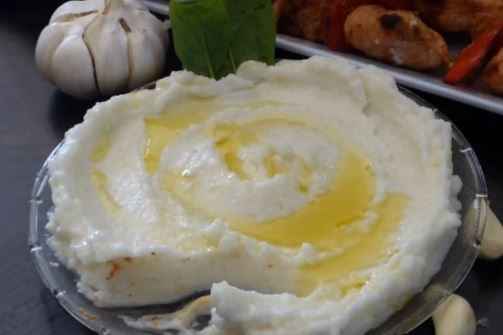
Muthawama has been a staple in Lebanese households and restaurants for generations. In Lebanon, you’ll find it served alongside rotisserie chicken (djej mishwe), grilled meats, shawarma, kebabs, and as a dip for fresh vegetables and pita bread.
What makes muthawama special is its texture, which has a consistency somewhere between mayonnaise and whipped cream.
Muthawama vs Toum
The key difference between muthawama and toum is that muthawama sometimes includes an egg white or a small amount of potato, which helps to achieve that perfect creamy texture at home. Traditional toum uses only garlic, oil, lemon juice, and salt, which requires a very precise technique to achieve the required texture.
If you love this muthawama recipe, you’ll probably also enjoy Classic Toum (the pure garlic sauce version), Tahini Sauce (nutty sesame sauce), Tzatziki (Greek garlic cucumber sauce), Tarator (tahini-based sauce), and of course, serving it alongside Chicken Shawarma or Grilled Kafta.
Muthawama Recipe Ingredients
Garlic Base
1 cup (about 20-25 cloves) fresh garlic, peeled – Fresh is absolutely essential! The garlic is the star here, so use the freshest, firmest cloves you can find. Avoid pre-minced garlic or garlic that’s been sitting around—it won’t have the right flavor or texture. Remove any green sprouts from the center of the cloves as they can add bitterness.
1 teaspoon salt – Helps break down the garlic and enhances all the flavors. Kosher salt or sea salt works best.
For Texture
1 egg white – This is the secret to a stable texture that won’t break. The egg white helps bind the oil and garlic together, creating that fluffy, cloud-like texture. If you’re concerned about raw egg, you can use pasteurized egg whites from a carton.
OR 1 small potato (about 1/2 cup when mashed) – An alternative to egg white for those who prefer or need to avoid raw egg. Boil a small peeled potato until very soft, mash it completely smooth, and let it cool before using. This creates a different but equally delicious texture.
Liquid Ingredients
2 cups neutral vegetable oil – Canola, sunflower, or safflower oil work perfectly. You want a flavorless oil that won’t compete with the garlic. Do NOT use olive oil, especially extra virgin—it’s too strong and will make the sauce bitter when over-processed.
1/4 cup fresh lemon juice – Freshly squeezed is best! The acid is essential for the emulsion and balances the richness of the oil with bright, tangy flavor. You’ll need about 2 lemons.
2-4 tablespoons ice-cold water – Helps achieve the perfect consistency and aids in emulsification. The cold temperature is important for keeping the emulsion stable.
How to Make Muthawama (Lebanese Garlic Dip)
Step 1: Prepare your ingredients
Make sure all your ingredients are ready and measured. Your egg white (or mashed potato) should be at room temperature, but have your ice-cold water ready. Peel all the garlic cloves and remove any green sprouts from the centers.
Step 2: Blend the garlic and salt
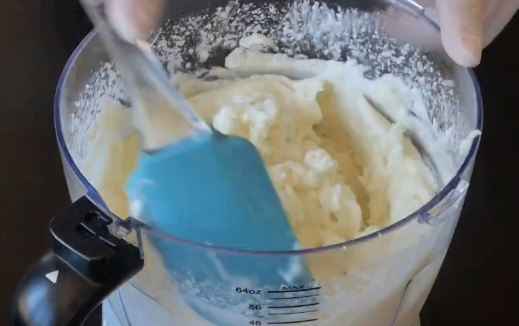
Add the 1 cup of peeled garlic cloves and 1 teaspoon salt to a food processor or high-powered blender. Process for about 1 minute until the garlic is very finely minced and starts to form a paste. Scrape down the sides of the bowl with a spatula.
Step 3: Add the egg white (or potato)
Add the 1 egg white (or 1/2 cup smooth mashed potato) to the garlic paste. Blend for another 30-45 seconds until everything is well combined and creamy.
Step 4: Begin forming the texture with oil
With the food processor running, start adding the 2 cups of oil in a very slow, steady stream-almost drop by drop at first. This is crucial. If you add the oil too fast, the texture will not hold, and you’ll end up with a separated, oily mess. It should take you 3-5 minutes to add the first cup of oil. You’ll notice the mixture starting to thicken and turn white.
Step 5: Alternate with lemon juice
Once you’ve added about half the oil and the mixture is thick and creamy, add about 1 tablespoon of the lemon juice while the processor is running. This helps stabilize the emulsion. Continue adding the remaining oil slowly, alternating with the remaining lemon juice in 2-3 additions.
Step 6: Adjust consistency with water
Once all the oil and lemon juice are incorporated, the muthawama should be thick, white, and fluffy. If it’s too thick, add the ice-cold water 1 tablespoon at a time while processing until you reach your desired consistency. It should be spreadable but hold soft peaks, similar to whipped cream or soft meringue.
Step 7: Taste and adjust
Taste your muthawama (it will be VERY garlicky!) and adjust seasoning. You might want a bit more salt or lemon juice. Process briefly after any additions.
Step 8: Rest and serve
Transfer the muthawama to an airtight container. Let it rest in the refrigerator for at least 30 minutes before serving—this allows the flavors to meld and the texture to set. The garlic flavor will actually mellow slightly after a day or two in the fridge.
Step 9: Serve
Serve in a small bowl, drizzled with a tiny bit of olive oil if desired, alongside grilled meats, shawarma, falafel, roasted vegetables, or with pita bread and fresh vegetables for dipping.
Additions and Substitutions
Egg white substitute: Use 1/2 cup smooth, cooled mashed potato for an egg-free version, or try 2 tablespoons aquafaba (chickpea liquid), though it may be less stable.
Oil substitute: Any neutral oil works-canola, sunflower, safflower, grapeseed, or vegetable oil. Avoid olive oil as it becomes bitter when over-processed and has too strong a flavor.
Lemon juice substitute: White vinegar or a combination of lemon and lime juice works, but fresh lemon is traditional and best.
Garlic substitute: There is no substitute for fresh garlic in this recipe. Pre-minced or jarred garlic will not work and will result in an inferior sauce.
For a milder garlic flavor: Blanch the peeled garlic cloves in boiling water for 1-2 minutes before using. This mellows the intensity while keeping the garlic flavor.
Add herbs: Some people like to add a handful of fresh parsley or cilantro for a green-tinted, herby version.
Add heat: A pinch of cayenne pepper or a small amount of fresh chili can add warmth.
For extra stability: Some cooks add 1 teaspoon of cornstarch mixed with the water to ensure the emulsion stays stable.
Make it richer: Add 1-2 tablespoons of Greek yogurt or labneh for tang and extra creaminess.
Behind the Muthawama Recipe
My obsession with muthawama started at a tiny Lebanese rotisserie chicken shop where the owner would serve massive scoops of this cloud-white garlic sauce with every order. I watched people dip everything into it-chicken, fries, vegetables, even their pita bread. The sauce was so popular that customers would buy extra containers to take home.
I finally worked up the courage to ask the owner how to make it, and he laughed and said, “Garlic, oil, lemon. But the secret is patience!” He explained that traditional toum requires perfect technique and timing, but muthawama with egg white or potato is more forgiving and easier for home cooks.
My first attempts were disasters. The sauce broke every time, leaving me with a bowl of oily garlic soup. I’d add the oil too fast, or use the wrong kind of oil, or process it too long. But eventually, I learned the rhythm—that slow, steady drizzle of oil, the importance of alternating with lemon juice, the magic of ice-cold water to adjust the consistency.
The first time I achieved that perfect texture, I literally squealed with excitement. I immediately made grilled chicken just so I could slather it with my homemade muthawama. And you know what? It tasted just like the restaurant version.
What I love most about muthawama is how it transforms simple grilled meats or vegetables into something special. A plain grilled chicken breast becomes a flavor bomb. Roasted potatoes become addictive. Even raw carrots and cucumbers become irresistible when you have muthawama to dip them in.
Fair warning: this sauce has an intense garlic flavor. Notwithstanding, I hope this muthawama becomes your new favorite condiment!
Frequently Asked Questions
Can I use olive oil for muthawama?
No! Olive oil, especially extra virgin, becomes bitter when processed extensively in a blender or food processor. It also has too strong a flavor that competes with the garlic. Always use a neutral oil like canola, sunflower, safflower, or vegetable oil.
Why did my muthawama break or separate?
The most common reason is adding the oil too quickly. The oil must be added in a very slow, steady stream-almost drop by drop at first. Other reasons include: using the wrong type of oil, or ingredients not at the right temperature.
Is it safe to eat raw egg white?
There is a small risk with raw eggs. Use pasteurized egg whites from a carton if you’re concerned, or use the potato method instead. Keep the sauce refrigerated and consume within a week.
How long does muthawama last?
Store in an airtight container in the refrigerator for up to 1 week. Some sources say it can last up to 2 weeks, but because of the raw garlic and egg (if using), 1 week is safest for food safety.
Can I freeze muthawama?
Freezing can cause the emulsion to break when thawed. It’s better to make fresh batches or keep it refrigerated for up to a week.
Why is my muthawama too thick or too thin?
Too thick: Add ice-cold water 1 tablespoon at a time while processing. Too thin: You may have added the oil too quickly, preventing proper emulsification, or you may need to process it longer.
How do I tone down the garlic intensity?
Blanch the peeled garlic cloves in boiling water for 1-2 minutes before using to mellow the flavor. Or, let the sauce sit in the fridge for 2-3 days—the garlic flavor actually mellows over time.
Can I make this without a food processor?
It’s very difficult. A food processor or high-powered blender is really necessary to achieve the proper emulsion and texture. An immersion blender might work, but it is less reliable.
Muthawama vs hummus?
Muthawama is a garlic-heavy sauce made mainly from garlic and oil, with little or no chickpeas. Hummus is a chickpea-based dip blended with tahini, lemon juice, and garlic, making it thicker and milder in taste.
Want more bold Lebanese sauces and dips?
Labneh – Lebanese strained yogurt dip loaded with cucumber, fresh mint, garlic, and herbs.
Tahini Sauce – Creamy sesame sauce perfect for falafel and shawarma.
Tarator – Tahini-based sauce with lemon and garlic.
Dajaj Mishwi – Lebanese Grilled Chicken.
Baba Ganoush – Smoky eggplant dip with tahini and garlic.
Labneh – Thick strained yogurt, perfect as a cooling contrast to garlicky muthawama.
Muhammara – Red pepper and walnut dip with pomegranate molasses.
Muthawama Recipe
Ingredients
Method
- Peel the garlic and remove any green sprouts. If using potato, boil until very soft, mash smooth, and let cool. Measure all ingredients.
- Add garlic and salt to a food processor and blend for about 1 minute until a fine paste forms, scraping down the sides.
- Add the egg white (or mashed potato) and blend for 30–45 seconds until smooth and creamy.
- With the processor running, slowly add the oil in a thin stream, starting almost drop by drop, until the mixture begins to thicken and turn white.
- After adding about half the oil, drizzle in some lemon juice, then continue adding the remaining oil slowly, alternating with the rest of the lemon juice.
- Once fully combined, check the texture. If too thick, add ice-cold water a little at a time until smooth and spreadable.
- Taste and adjust with more salt or lemon juice if needed.
- Transfer to a container, chill for at least 30 minutes, then serve with meats, vegetables, or bread.
Notes
- Start fresh with a new egg white in a clean processor
- Process for a few seconds
- Very slowly drizzle in the broken mixture
Equipment
- Food processor or high-powered blender
- Rubber spatula
- Airtight container for storage
- Calories: 130
- Fat: 14g
- Carbohydrates: 2g
- Protein: 0.5g
- Contains heart-healthy garlic compounds
- Rich in allicin
Leave a Reply