Craving the beloved flavors of kibbeh without the meat? Then consider this vegan kibbeh aat’aa. Made with mashed potatoes, chickpeas, bulgur, and fresh herbs, then baked until golden, this traditional Lebanese Lent dish is hearty, flavorful, and absolutely satisfying- even for confirmed meat-lovers.
What Is Kibbeh Aat’aa (Lebanese Vegan Kibbeh)?
Kibbeh aat’aa (also spelled kibbeh ataya or kibbeh ataa) is a traditional Lebanese vegan kibbeh that’s typically made during Lent, when Orthodox Christians abstain from meat and animal products for 40 days before Easter. The name “aat’aa” comes from the Arabic word meaning “to give” or “offering.”
For those unfamiliar with kibbeh, it’s one of the most popular dishes in Lebanese. Traditional kibbeh is made with ground meat (usually lamb) mixed with bulgur wheat, onions, and spices, then shaped and either baked, fried, or served raw. There are dozens of kibbeh variations across the country. But what makes kibbeh aat’aa special is how similar it is to the traditional kibbeh while being completely plant-based.
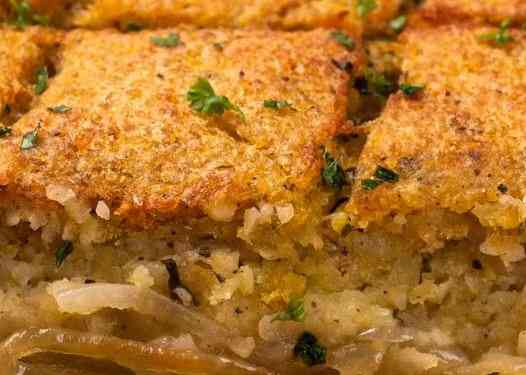
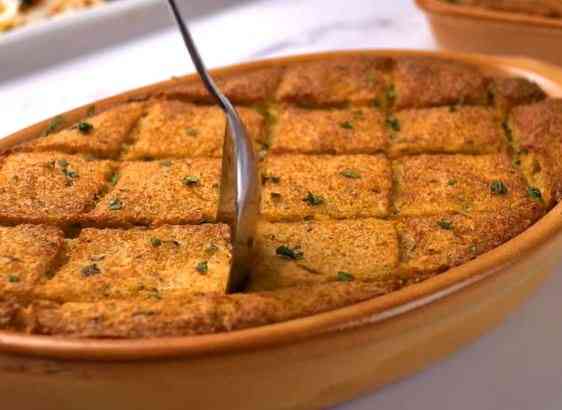
Instead of meat, this version uses mashed potatoes, combined with skinned chickpea halves, bulgur, fresh herbs (parsley, mint, and green onions), and some spices. The mixture is kneaded into a dough, patted into a baking pan, scored into diamond or square shapes, then generously doused with olive oil before baking. The result is golden, crispy on the outside, tender and flavorful on the inside, with the olive oil creating pockets of richness throughout.
What I love about kibbeh aat’aa (or lebanese potato kibbeh) is how it proves that Lebanese cooks never settle for bland, boring Lenten food. Even when avoiding meat, the dish is packed with flavor from fresh herbs, warm spices, and generous olive oil. It’s hearty enough to be a main course, delicious enough that you won’t miss the meat, and versatile enough to serve hot or cold with pita bread and fresh vegetables.
If you love this Lebanese potato kibbeh recipe, you’ll probably also enjoy Lebanese Vegetarian Stuffed Grape Leaves, Mujadara (lentils and rice), Fasolia (white bean stew), and Lebanese pumpkin kibbeh, which are all vegan-friendly.
Lebanese Vegan Kibbeh Recipe Ingredients
Base Ingredients
2 cups bulgur (cracked wheat/burghul) – Fine or medium bulgur works best. This provides structure and that characteristic kibbeh texture. Rinse well and let it dry for about 30 minutes before using—the bulgur should be slightly moist but not wet, which helps it bind with the other ingredients.
2 cups dried chickpeas – These need to be skinned and halved, which sounds tedious but is essential for the right texture. Skinned chickpea halves are sometimes available at Middle Eastern stores, which saves significant time! If starting with whole chickpeas, you’ll soak overnight, then skin and halve them (see instructions below). The chickpeas add protein and help bind the mixture.
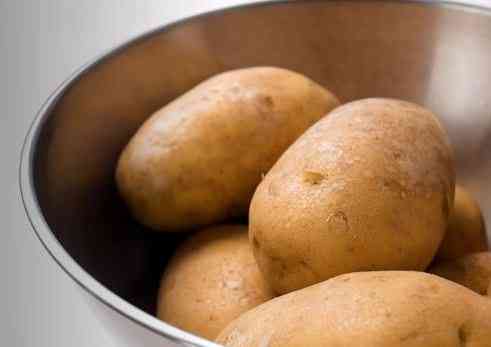
3 medium potatoes, boiled and mashed – Yukon gold or russet potatoes work beautifully. The mashed potatoe is what holds everything together and provides creaminess. They also make the kibbeh tender.
2 cups all-purpose flour – Helps bind the dough and gives structure. It absorbs moisture from the vegetables and creates a cohesive mixture that can be pressed into the pan and hold its shape during baking.
Fresh Herbs
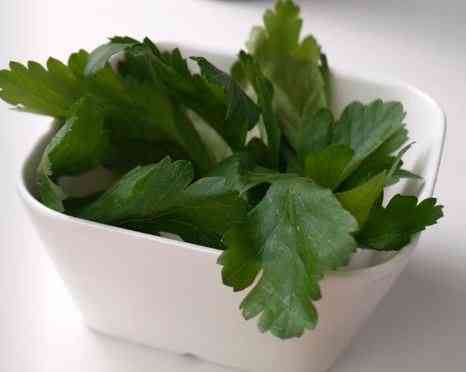
1/2 bunch fresh parsley – Use only the leaves, finely minced. Parsley adds bright, fresh, peppery flavor that’s essential to Lebanese cooking. You’ll need about 1 cup minced.
1/2 bunch fresh mint – Again, leaves only, finely minced. Fresh mint is what gives this kibbeh that distinctive Lebanese flavor—cooling, aromatic, and absolutely essential. About 1/2 cup minced.
1/2 bunch green onions, finely chopped – Both white and green parts. These add mild onion flavor and freshness without the harsh bite of raw white onions.
1 medium white onion, finely chopped – Adds depth and savory sweetness. Chop it very finely so it distributes evenly throughout the dough.
Spices and Oil
1 teaspoon chili powder (or to taste) – Adds gentle warmth. Adjust based on your heat preference. You can use Aleppo pepper for more authentic Lebanese flavor.
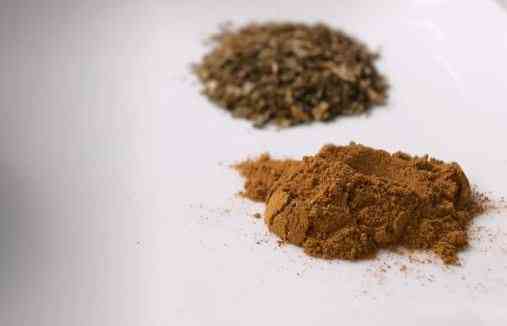
1/2 teaspoon Lebanese seven spices (baharat) – A blend typically containing black pepper, allspice, cinnamon, coriander, clove, nutmeg, and ginger. This is what gives kibbeh its characteristic warm, complex flavor.
2/3 teaspoon salt – Essential for bringing out all the other flavors. Adjust to taste.
2 cups olive oil (about 1 cup per pan) – This seems like a lot, but it’s crucial! The olive oil soaks into the scored kibbeh, creating pockets of flavor, helping it cook through, and giving it that characteristic crispy-tender texture. Don’t skimp on the olive oil—it’s what makes this dish special.
How to Make Kibbeh Aat’aa (Lebanese Vegan Kibbeh)
Preparation Steps (these can be done ahead)
Step 1: Prepare the chickpeas
This is the most time-consuming step, but essential for proper texture.
If you can find skinned chickpea halves at a Middle Eastern grocery store, simply soak them overnight, drain, and you’re done!
If starting with regular whole chickpeas: Soak 2 cups dried chickpeas in plenty of water overnight. The next day, drain and rinse well. Place in a pot, cover with fresh water, and warm on the stove for a few minutes (not boiling, just warm). Drain.
Spread the warm chickpeas on a clean kitchen towel. Place another towel on top. Using a rolling pin, roll firmly over the chickpeas several times with pressure to crack them open.
Place the broken chickpeas back in the pot and fill with water. Using your hands, rub the chickpeas vigorously to separate the skins. The skins will float to the top. Pour off the water and skins. Repeat this process several times until all (or most) chickpeas are skinned and halved. Drain well and place in your large mixing bowl.
Step 2: Prepare the potatoes
Peel the 3 medium potatoes and cut into chunks. Boil in salted water for 15-20 minutes until very tender when pierced with a fork. Drain and let cool slightly. Mash thoroughly until smooth with no lumps. Add to the mixing bowl with the chickpeas.
Step 3: Prepare the bulgur
Rinse the 2 cups bulgur under cold water in a fine-mesh strainer. Drain well, then spread on a clean kitchen towel and let air-dry for about 30 minutes. The bulgur should be moist but not dripping wet. Add to the mixing bowl.
Step 4: Prepare the herbs and onions
Wash the parsley and mint thoroughly. Remove and discard the stems, keeping only the tender leaves. Finely mince the leaves until almost paste-like—you want them very fine so they distribute evenly. Add to the mixing bowl.
Finely chop the green onions (white and green parts). Finely chop the white onion. Add both to the mixing bowl.
Step 5: Add flour and spices
Add the 2 cups flour on top of all the ingredients in the mixing bowl. Add the 1 teaspoon chili powder, 1/2 teaspoon Lebanese seven spices, and 2/3 teaspoon salt.
Step 6: Knead the dough
Using clean hands, knead everything together for several minutes—at least 5-7 minutes of good kneading. You’re working the ingredients together into a cohesive dough. It should be moist enough to hold together when pressed but not wet or sticky. If it’s too dry and crumbly, add a tablespoon of water at a time. If too wet, add a bit more flour. The final texture should be like a thick, slightly sticky dough.
Baking
Step 7: Prepare your pan
Brush a 9×13 inch Pyrex glass baking pan (or similar size baking dish) generously with olive oil to prevent sticking.
Step 8: Pat the dough into the pan
Transfer the kibbeh dough to the prepared pan. Using wet hands (dip them in water to prevent sticking), pat and press the dough evenly into the pan. The layer should be about 1/2 to 2/3 inch thick. Smooth the top as evenly as possible.
Step 9: Score the kibbeh
Using a sharp knife, cut deep diagonal lines across the dough to form diamond or square shapes. Cut all the way through to the bottom of the pan. Then make a small cut or poke (like an “X”) in the center of each diamond or square. This scoring serves two purposes: it allows the olive oil to seep deep into the dough, flavoring and cooking it from the inside, and it makes the kibbeh easy to cut and serve once baked.
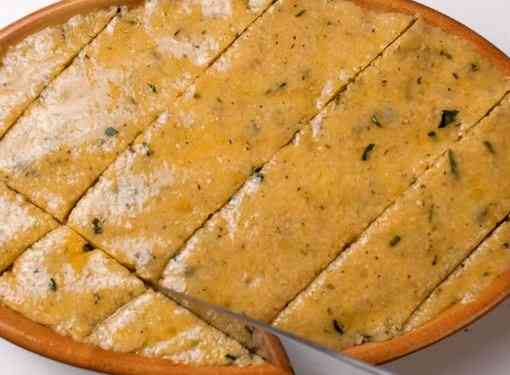
Step 10: Soak with olive oil
Here’s the key step: Slowly and gently pour olive oil over the entire surface of the scored kibbeh. Pour it into the cuts and grooves you made. Keep pouring until the kibbeh is fully covered with oil and the oil level is just above the surface of the dough. This should take about 1 cup of olive oil per pan. Don’t skimp—the oil is what makes this dish rich and delicious!
Step 11: Bake
Preheat your oven to 400°F (200°C). Bake the kibbeh for 45-60 minutes, or until the top turns light golden brown and slightly crispy around the edges. Poke a piece in the center with a fork to ensure the inside is cooked through—it should be tender and the fork should slide in easily.
Step 12: Cool slightly and serve
Let the kibbeh cool for about 10 minutes, then cut along the scored lines. Serve warm or at room temperature with warm pita bread, fresh vegetables, and pickles.
Additional Notes
Chickpeas substitute: If you absolutely can’t find or prepare chickpea halves, you can use cooked whole chickpeas that you’ve pulsed briefly in a food processor to break them up, though the texture won’t be quite as traditional.
Bulgur substitute: Quinoa can work in a pinch, though it’s not traditional. You could also use fine couscous, but again, the texture will be different.
Potatoes substitute: Sweet potatoes create a sweeter, different-flavored version. You could also try adding mashed white beans for extra protein.
Flour substitute: Chickpea flour can replace some or all of the all-purpose flour for a gluten-free version.
Fresh herbs substitute: In a true emergency, you could use 2 tablespoons dried parsley and 1 tablespoon dried mint, but fresh is vastly superior and really essential to the authentic flavor.
Add vegetables: Some cooks add finely chopped spinach, kale, or Swiss chard to the mixture for extra nutrients and color.
Make it spicier: Increase the chili powder or add a pinch of cayenne pepper.
Different shapes: Instead of baking in a pan, you can shape the dough into small patties or balls and bake on a sheet pan (reduce baking time to 30-35 minutes).
Pine nuts: Some versions include toasted pine nuts in the dough for extra richness.
Lebanese Potato Kibbeh Recipe Frequently Asked Questions
What does kibbeh aat’aa mean?
“Kibbeh” refers to the dish itself (traditionally made with meat and bulgur), and “aat’aa” comes from Arabic meaning “to give” or “offering.” Together, kibbeh aat’aa is the vegan/vegetarian version of kibbeh traditionally made during Lent as a Lenten offering or because of its generous, satisfying nature despite having no meat.
Can I skip skinning the chickpeas?
Skinning the chickpeas is traditional and creates the best texture -smooth and cohesive. If you use whole chickpeas with skins, the texture will be grainier and the mixture won’t hold together as well. However, if you’re short on time, you can pulse cooked whole chickpeas in a food processor to break them down.
Where can I find skinned chickpea halves?
Middle Eastern grocery stores often carry them in the dried goods section, sometimes labeled as “split chickpeas” or “peeled chickpeas.” Indian grocery stores may have “chana dal,” which is split, skinned chickpeas. If you find these, it saves hours of work.
Why do I need so much olive oil?
The generous olive oil is essential! It’s not excessive—it’s traditional. The oil soaks into the scored kibbeh, flavoring it throughout, helping it cook evenly, and creating that characteristic crispy-tender texture. Lebanese Lenten cooking uses olive oil liberally to add richness when animal fats aren’t allowed.
Can I bake this in a different pan?
Yes! You can use any baking dish—just adjust the thickness. Thinner kibbeh (1/2 inch) cooks faster (35-40 minutes), while thicker (1 inch) takes longer (55-65 minutes). You can also shape into individual patties.
How do I know when it’s done?
The top should be golden brown and slightly crispy. Poke the center with a fork – it should slide in easily and the interior should be fully cooked and tender, not hard or crunchy.
Can I serve this cold?
Absolutely. Kibbeh aat’aa is delicious at any temperature – hot, warm, room temperature, or cold. Many Lebanese people prefer it at room temperature. This makes it perfect for packed lunches or picnics.
How long can it stay?
Refrigerated in an airtight container, this can stay for up to 3-4 days. The dough (unbaked) or fully baked kibbeh freezes beautifully for up to 3 months.
What should I serve with kibbeh aat’aa?
Traditionally served with warm pita bread, fresh vegetables (tomatoes, cucumbers, radishes), pickles, olives, and perhaps some hummus or tahini sauce. It’s often part of a larger Lenten mezze spread.
Lebanese Potato Kibbeh Recipe
Ingredients
Method
- Soak chickpeas overnight. Skin and split them, or use pre-skinned split chickpeas.
- Boil potatoes until very tender, then mash until completely smooth.
- Rinse bulgur, drain well, and let it air-dry until moist but not wet.
- In a large bowl, combine chickpeas, mashed potatoes, bulgur, herbs, onions, flour, chili powder, seven spices, and salt. Knead for 5–7 minutes until a firm dough forms. It should hold together without being sticky. Adjust with a little water if too dry or a little flour if too soft.
- Preheat oven to 400°F (200°C). Generously oil a 9×13-inch baking dish. Press the dough evenly into the pan, about ½–⅔ inch thick, smoothing the top.
- Score into diamonds or squares, cutting all the way through. Slowly pour olive oil evenly over the surface, allowing it to seep into the cuts.
- Bake for 45–60 minutes, until golden and slightly crisp on top. Let cool for 10 minutes before cutting and serving.
Leave a Reply