Made with thick strained yogurt, fresh mint, cucumber, and a punch of garlic, this Lebanese mezze staple is perfect for scooping with warm pita bread or serving alongside your favorite Middle Eastern dishes. It is high in protein, low in fat, and works as a dip, spread, or even a sauce for grilled meats.

What Is Labneh?
Labneh (also spelled labne, labna, or lebni depending on where you are in the Middle East) is a silky-smooth, thick Middle Eastern strained yogurt that’s been enjoyed for centuries across Lebanon, Syria, Palestine, Jordan, and beyond. In the U.S., you might see it called kefir cheese or strained yogurt, though neither name quite captures its special character.
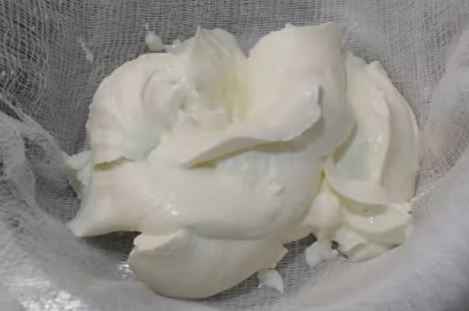
The magic of labneh comes from a simple yet transformative process: regular plain yogurt is placed in a special cotton cloth bag or cheesecloth and left to drain overnight. As the whey slowly drips away, what remains is a thick, creamy, cheese-like spread with a velvety texture that’s richer than Greek yogurt but lighter than cream cheese.
What makes labneh so beloved across the Middle East is its incredible versatility. You can eat it plain as a simple, protein-rich breakfast, drizzle it with olive oil and sprinkle it with herbs and spices, roll it into balls preserved in olive oil, or, like in this recipe, mix it with fresh ingredients to create a vibrant, refreshing dip.
If you love this labneh with garlic and herbs, you’ll probably also enjoy Classic Hummus, Creamy Baba Ganoush (smoky eggplant dip), Muhammara (red pepper walnut dip), Tzatziki (Greek cucumber yogurt sauce), and of course, fresh Tabbouleh salad to round out your mezze table.
Labneh Recipe Ingredients
Base
2 cups labneh (strained yogurt) – This is your foundation. You can buy pre-made labneh at Middle Eastern grocery stores (Arz by Karoun Dairies is excellent and uses milk not treated with hormones or antibiotics), or make your own by straining plain whole-milk yogurt overnight in cheesecloth or a special cotton yogurt bag. The thickness should be similar to cream cheese but spreadable.
Fresh Vegetables and Herbs
1/2 cucumber, finely minced – Adds refreshing crunch and moisture. Persian or English cucumbers work best because they have fewer seeds and less water content. Make sure to mince it finely so it distributes evenly throughout the labneh.
1/2 bunch fresh mint – Fresh mint is essential. It brings a bright, cooling flavor that pairs beautifully with the labneh and cucumber. Use the leaves only, finely chopped.
Seasonings
2 tablespoons dried mint powder – This might seem redundant with fresh mint, but dried mint adds a different, more concentrated herbal note. It’s traditional in Lebanese cooking to use both fresh and dried mint together for layered flavor.
4 cloves garlic, crushed – Garlic is a must for that signature Lebanese punch. Four cloves might seem like a lot, but the cooling labneh and cucumber balance it perfectly. Crush it well so it distributes evenly and releases its flavor.
1/4 teaspoon chili powder – Just a hint of warmth to wake up your taste buds. This isn’t meant to make the dip spicy, just to add subtle depth. You can use Aleppo pepper for a more authentic Lebanese touch.
1/3 teaspoon salt – Enhances all the flavors and balances the tanginess of the labneh. Adjust to taste, especially if your labneh is already salted.
For Serving
Olive oil – For drizzling on top; use good-quality extra virgin olive oil for the best flavor.
Additional dried mint – For garnish.
Fresh mint leaves – For garnish.
Warm pita bread – Essential for scooping.
How to Make Labneh With Garlic and Herbs
Step 1: Prep your vegetables and herbs
Finely mince the 1/2 cucumber into very small pieces—you want them to blend into the labneh, not create big chunks. Finely chop the leaves from the 1/2 bunch of fresh mint, discarding the stems. Crush the 4 cloves of garlic using a garlic press, the back of your knife with some salt, or a mortar and pestle.
Step 2: Combine all ingredients
In a medium mixing bowl, add the 2 cups of labneh. Add all your prepared ingredients: the minced cucumber, chopped fresh mint, crushed garlic, 2 tablespoons dried mint powder, 1/4 teaspoon chili powder, and 1/3 teaspoon salt.
Step 3: Mix thoroughly
Using a fork or spoon, mix everything together really well, making sure all the ingredients are evenly distributed throughout the labneh. The mixture should be creamy and uniform with little flecks of green herbs throughout. Taste and adjust seasoning if needed—you might want a bit more salt or garlic depending on your preference.
Step 4: Chill (optional but recommended)
For the best flavor, cover the bowl and refrigerate for at least 30 minutes to allow the flavors to meld together. The garlic will mellow slightly, and the mint will infuse the labneh beautifully.
Step 5: Plate and garnish
Transfer the labneh mixture to a shallow serving plate or bowl. Using the back of a spoon, create a shallow well or swirl pattern in the center. Drizzle generously with olive oil, sprinkle with additional dried mint powder, and garnish with fresh mint leaves.
Step 6: Serve
Serve immediately with warm pita bread for dipping. You can also serve it alongside fresh vegetables like cucumber slices, cherry tomatoes, radishes, and carrot sticks.
Additions and Substitutions
Labneh substitute: If you can’t find labneh, make your own by straining plain whole-milk yogurt overnight in cheesecloth or a fine-mesh strainer lined with paper towels. Greek yogurt can work in a pinch but won’t be quite as thick or tangy.
Fresh mint substitute: Fresh basil, dill, or cilantro all work well. You could also use a combination. If fresh herbs aren’t available, increase the dried mint to 3 tablespoons.
Dried mint substitute: Italian seasoning, dried dill, or dried oregano can work, though the flavor will be different from traditional Lebanese labneh.
Cucumber substitute: Finely diced tomatoes (seeds removed and drained) or finely diced radishes add crunch without the cucumber flavor.
Garlic substitute: 1/2 teaspoon garlic powder works if you don’t have fresh, but fresh garlic is always better.
Add-ins for variation: Finely chopped green onions or scallions, a squeeze of lemon juice, crumbled feta cheese, chopped Kalamata olives, sun-dried tomatoes, toasted pine nuts, or a pinch of sumac.
Spice it up: Add a pinch of cayenne pepper, red pepper flakes, or use Aleppo pepper instead of regular chili powder for authentic Middle Eastern heat.
Make it a sauce: Thin it out with a little water or olive oil to create a pourable sauce for grilled meats, shawarma, or roasted vegetables.
Make it smoother: For an ultra-smooth dip, blend everything in a food processor instead of mixing by hand.
Frequently Asked Questions
What’s the difference between labneh and Greek yogurt?
Labneh is more strained than Greek yogurt, making it thicker and tangier with a consistency closer to soft cream cheese. Greek yogurt is strained once or twice, while labneh is strained for 12-24 hours to remove most of the whey. Labneh also tends to be made with whole milk yogurt, giving it a richer, creamier texture.
How to make labneh from scratch?
Place 4 cups of plain whole-milk yogurt in a cheesecloth-lined strainer or a special cotton yogurt bag. Tie it up and hang it over a bowl, or place the strainer over a bowl. Let it drain at room temperature for the first 2-3 hours, then transfer to the refrigerator and let it drain overnight (12-24 hours). The longer you strain it, the thicker it becomes. What remains is labneh.
How long does labneh last in the fridge?
Plain labneh keeps for 7-10 days in an airtight container in the refrigerator. This recipe with fresh ingredients (cucumber, fresh herbs) should be consumed within 4-5 days for best quality and freshness.
Can I freeze labneh?
Plain labneh can be frozen for up to 2 months, though the texture may become slightly grainy when thawed. This recipe with cucumber shouldn’t be frozen as the cucumber will become watery. If you want to freeze labneh, make the plain version and add fresh ingredients after thawing.
What can I do with leftover whey from making labneh?
The whey is packed with protein and nutrients! Use it in smoothies, as the liquid in bread or pancake recipes, for cooking grains like rice or quinoa, or even as a facial toner (seriously—it’s great for skin!).
Can I make this dairy-free?
Yes! You can make dairy-free labneh using thick coconut yogurt or cashew yogurt. Strain it the same way you would regular yogurt. The flavor will be different but still delicious.
Why is my labneh too runny?
It wasn’t strained long enough. Labneh should be thick enough to hold its shape when scooped. If yours is too runny, place it back in the cheesecloth and let it drain for several more hours.
What’s the difference between Turkish labneh and Lebanese labneh?
They’re pretty similar! Both are thick strained yogurt, but Lebanese labneh is usually strained longer, so it’s thicker and has a stronger sour flavor, almost like cream cheese. It’s often rolled into balls and stored in olive oil with herbs. Turkish labneh (called süzme yoğurt) tends to be a bit softer and milder, more like a thick yogurt spread. Lebanese versions are typically saltier too.
Want more delicious Lebanese dips and mezze?
Sfeeha (Lahm bi Ajeen): Lebanese Meat Pies
Baba Ganoush – Smoky roasted eggplant dip with tahini.
Dajaj Mishwi: Lebanese Grilled Chicken
Moutabal – Another version of eggplant dip, creamier than baba ganoush.
Tzatziki – Greek cucumber yogurt sauce, a cousin to this labneh recipe.
Za’atar Labneh Balls – Labneh rolled into balls, coated in za’atar, and preserved in olive oil.
Labneh Recipe
Ingredients
Method
- Finely mince the cucumber, chop the mint leaves (discard stems), and crush the garlic.
- In a bowl, add the labneh, then mix in the cucumber, mint, garlic, dried mint, chili powder, and salt.
- Stir well until everything is evenly combined. Taste and adjust seasoning if needed.
- Cover and refrigerate for about 30 minutes if you want a stronger flavor.
- Transfer to a serving plate, create a swirl, drizzle with olive oil, and sprinkle with dried mint and fresh mint leaves.
- Serve with warm pita or fresh vegetables like cucumber, tomatoes, and radishes.
Notes
- Calories: 67
- Fat: 1g
- Carbohydrates: 5g
- Fiber: 1g
- Sugar: 4g
- Protein: 11g
- Calcium: 126mg
- Vitamin A: 142 IU
Leave a Reply