Author: Rania Farah

  • Lebanese Meat Pies: Sfeeha (Lahm bi Ajeen)

    Sfeeha (also spelled sfiha), or lahm bi ajeen (literally “meat with dough”), are Lebanese meat pies – thin, crispy flatbreads topped with a spiced ground meat mixture that’s tangy from pomegranate molasses, and laden with pine nuts and Lebanese spices.
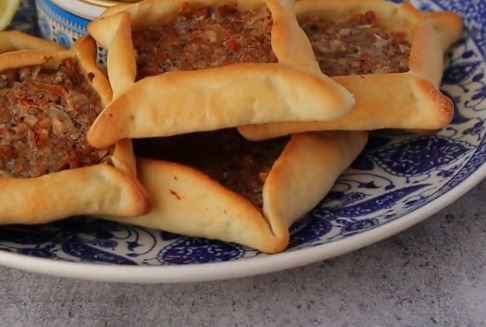
    Lebanese Meat Pies Sfeeha

    What Are Sfeeha and Where Did They Come From?

    Sfeeha are open-faced meat pies that consist of a thin flatbread base topped with a seasoned ground meat mixture. Unlike closed pies or pastries, sfeeha are always open-faced, with the meat mixture spread generously across the entire surface of the dough. When baked at high heat, the dough becomes crispy on the bottom and edges while remaining slightly chewy in the center, and the meat topping caramelizes slightly, developing deep, complex flavors.

    The name “sfeeha” comes from the Arabic word for “flat” or “flattened,” which perfectly describes these thin, open-faced pies. They’re also commonly called “lahm bi ajeen,” which translates literally to “meat with dough” – a straightforward description that tells you exactly what you’re getting.

    Regional Variations and Names

    Sfeeha are popular throughout the Levant and Middle East, with each region having its own variation:

    Lebanese Sfeeha: Typically open-faced, relatively thin, and seasoned with pomegranate molasses, which gives them a distinctive tangy-sweet flavor. Lebanese versions often include pine nuts in the meat mixture and are served flat or folded.

    Syrian Sfeeha: Can be either open or closed into triangular parcels. The meat mixture is similar but sometimes spiced differently, with more emphasis on allspice and cinnamon.

    Turkish Lahmacun: The Turkish cousin of sfeeha, called lahmacun or lahmajun (derived from the Arabic “lahm ajeen”). Turkish versions are typically paper-thin, very crispy, and often rolled up with fresh herbs and a squeeze of lemon before eating.

    Jordanian and Palestinian variations: Often made slightly thicker and sometimes include tahini mixed into the meat or drizzled on top.

    The spelling variations you’ll encounter – lahmajun, lahmajin, lahm bi ajeen, lahm ajeen – all refer to the same basic concept, though the exact preparation may vary by region.

    The Saaj Tradition

    Traditionally, sfeeha and other Lebanese flatbreads were baked on a “saaj” – a dome-shaped metal griddle heated over wood or gas fire. The saaj is an ancient cooking method still used in many Lebanese villages and some traditional bakeries. The high, dry heat of the saaj creates an incredibly crispy bottom crust while the dome shape allows the top to cook from radiant heat.

    Today, most people (including me) use a conventional oven, which produces excellent results when heated to very high temperatures. The key is that high heat – you want your oven as hot as it will go to imitate the intense heat of a traditional saaj.

    Sfeeha (Lahm bi Ajeen) Ingredients

    This recipe has two main components: the dough and the meat topping. While you can certainly use store-bought pizza dough to save time, making the dough from scratch is surprisingly easy and yields superior results.

    Here’s everything you’ll need. For exact measurements, see the recipe card below.
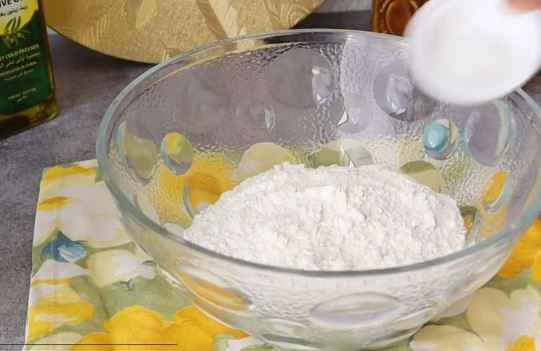
    All-purpose flour for lebanese meatpie

    Meat Topping Ingredients

    Ground beef (1 lb, lean): Use lean ground beef (90% lean or higher) to prevent the pies from becoming greasy. The meat should have some fat for flavor, but too much will make the topping oily and cause the bread to become soggy. Ground lamb or a combination of beef and lamb also works beautifully and adds more traditional Middle Eastern flavor.

    Red onion (1 medium, finely chopped): Red onion is preferred for its slightly sweeter, less pungent flavor compared to yellow onions. The onion must be finely chopped – we’re talking very small pieces, almost minced. Large chunks of onion don’t distribute well and can make the topping watery.

    Tomato (1 medium, finely chopped): Fresh tomato adds moisture, acidity, and a subtle sweetness. It should be finely diced and, if the tomato is very juicy, you might want to squeeze out some of the excess liquid to prevent a watery topping. Use ripe but firm tomatoes – overly ripe, mushy tomatoes will make the mixture too wet.

    Pine nuts (¾ cup): Called snoubar in Arabic, pine nuts are traditional in Lebanese sfeeha. They add a buttery richness and delightful crunch. They’re expensive, so if budget is a concern, you can reduce the amount to ½ cup or substitute with chopped walnuts or almonds (though this is less traditional).

    Pomegranate molasses (2 tablespoons): This is the secret ingredient that makes Lebanese sfeeha distinctive. Pomegranate molasses (also called pomegranate syrup) is a thick, tangy-sweet reduction of pomegranate juice. It provides acidity, a fruity depth, and a subtle sweetness that balances the spices. You can find it at Middle Eastern markets or online. There’s no perfect substitute, but in a pinch, you could use a mixture of lemon juice and a touch of honey or grape molasses.

    Lemon juice (1 teaspoon, optional): Adds extra brightness and acidity. This is optional because the pomegranate molasses already provides tanginess, but a little lemon juice enhances it.

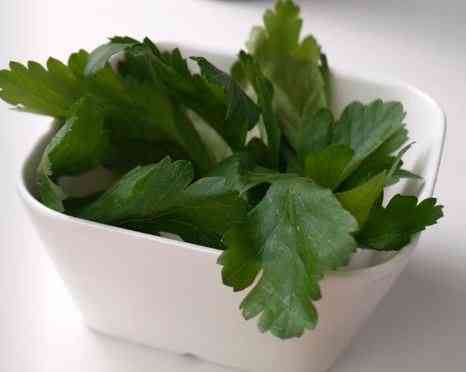
    Fresh parsley (½ cup, finely chopped, stems removed): Flat-leaf Italian parsley only. The fresh, bright flavor of parsley cuts through the richness of the meat and adds a pop of green color. Make sure it’s finely chopped and that you’ve removed the tough stems.

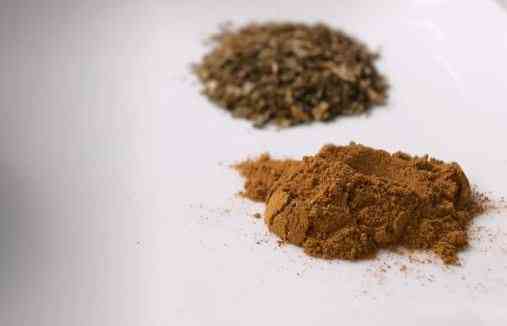
    Lebanese 7 spice (2 teaspoons): This aromatic spice blend typically contains allspice, black pepper, cinnamon, cloves, fenugreek, ginger, and nutmeg. It’s what gives Lebanese meat dishes their characteristic warm, complex flavor. You can buy it pre-made at Middle Eastern markets or make your own blend.

    Salt (1-2 teaspoons): Season to taste. The amount needed will depend on your beef and personal preference.

    Chili powder (½ teaspoon, or to taste): Adds a gentle heat. Traditional Lebanese sfeeha are mildly spicy, not fiery, so start conservative and add more if you like heat.

    Dough Ingredients

    All-purpose flour (6 cups): Standard all-purpose flour works perfectly. Bread flour would make a chewier crust, while all-purpose flour gives you a tender, crispy result.

    Active dry yeast (½ teaspoon): This seems like a small amount, but it’s intentional. Sfeeha dough doesn’t need to be as puffy and risen as bread dough – you want a thin, crispy base, not a thick, bready crust. The yeast is primarily for flavor development and a slight lift.

    Salt (1½ teaspoons): Essential for flavor in the dough.

    Sugar (⅛ teaspoon): Just a pinch to activate the yeast.

    Warm water (approximately 3-3½ cups): The exact amount may vary based on your flour and humidity. You want a smooth, pliable dough that’s not sticky.

    Optional: Olive oil (2-3 tablespoons): While not listed in the original recipe, adding a little olive oil to the dough makes it more pliable and creates a slightly richer, more tender crust.

    Shortcut to Save Time

    Pre-made pizza dough: If you’re short on time or intimidated by making dough, use store-bought pizza dough or thin-crust flatbread. Many grocery stores sell fresh pizza dough in the refrigerated section, and frozen naan or pita also work well. The flavor won’t be quite as authentic, but it’s a perfectly acceptable shortcut that still yields delicious results.

    How to Make Lebanese Meat Pies (Sfeeha)

    This recipe involves making the dough, preparing the meat topping, assembling, and baking. If you’re making the dough from scratch, set aside about 45 minutes total (though much of that is hands-off resting time). If using store-bought dough, you’ll cut the time in half.

    What You Need

    • Food processor with dough blade (or large mixing bowl for hand-kneading)
    • Rolling pin
    • Baking sheets
    • Parchment paper or silicone baking mats (optional)
    • Mixing bowls

    Making the Dough from Scratch

    Step 1: In a small bowl or measuring cup, combine ½ cup warm water (about 110°F/43°C – warm to the touch but not hot) with the tiny pinch of sugar (⅛ teaspoon). Sprinkle the yeast over the water and let it sit for about 5 minutes until it becomes foamy. This “proofs” the yeast, confirming it’s alive and active.

    Step 2: In a large food processor fitted with the dough blade (or in a large mixing bowl if making by hand), combine the flour and salt.

    Step 3: Once the yeast is foamy, add it to the flour along with enough additional warm water to form a dough – usually about 2½ to 3 cups more water. The exact amount will depend on your flour’s absorption.

    Step 4: If using a food processor, pulse and then run continuously until a ball of dough forms and pulls away from the sides of the bowl, about 2-3 minutes. If making by hand, stir with a wooden spoon until it comes together, then turn out onto a floured surface and knead for 8-10 minutes until smooth and elastic.
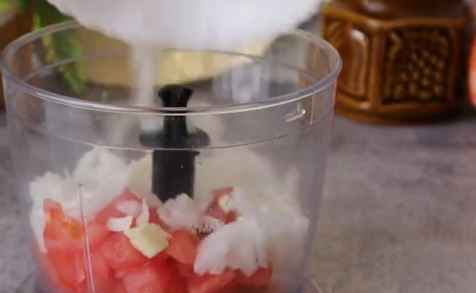
    tomatoes and onions

    Step 5: The dough should be smooth, soft, and just slightly tacky but not sticky. If it’s too sticky, add a tablespoon of flour at a time. If it’s too dry and won’t come together, add water a tablespoon at a time.

    Step 6: Form the dough into a ball and place it in a lightly oiled bowl. Cover with a damp towel or plastic wrap and let it rest in a warm place for 20-30 minutes. You’re not looking for a huge rise like you would with bread – just a little rest to relax the gluten and make the dough easier to roll.

    Why the short rise? Unlike pizza or bread, sfeeha dough is meant to be thin and crispy, not puffy and bready. A short rest is enough to make the dough workable without creating too much rise.

    Preparing the Meat Topping

    Step 7: While the dough rests, prepare the meat topping. This is the easy part – it’s essentially a no-cook mixture that comes together in minutes.

    Step 8: In a large mixing bowl, combine the ground beef, finely chopped red onion, finely chopped tomato, pine nuts, pomegranate molasses, lemon juice (if using), chopped parsley, Lebanese 7 spice, salt, and chili powder.

    Step 9: Use your hands to mix everything together thoroughly. Really work it with your hands to ensure all the ingredients are evenly distributed throughout the meat. The mixture should be cohesive but still loose – not formed into a solid mass like you would for meatballs.

    Step 10: Taste a tiny bit of the raw mixture (if you’re comfortable doing so) or cook a small piece in the microwave to check the seasoning. The mixture should taste well-seasoned, tangy from the pomegranate molasses, and aromatic from the spices. Adjust salt or spices as needed.

    Step 11: Cover the bowl and refrigerate the meat mixture while you work with the dough. This keeps it cold and food-safe.

    Important note: The meat topping goes on raw and cooks during baking. Don’t cook it beforehand – the high heat of the oven will cook it perfectly while also caramelizing the edges for maximum flavor.

    Preparing the Sfeeha

    Step 12: Preheat your oven to 500-520°F (260-271°C). This is crucial – you want your oven as hot as possible. If your oven has a convection setting, use it. The high heat mimics a traditional saaj and creates that characteristic crispy crust.

    Step 13: Divide the dough into portions. For large sfeeha (about 8 inches in diameter), divide into 10-12 pieces. For smaller ones, divide into 20-24 pieces. Roll each piece into a smooth ball.

    Step 14: On a lightly floured surface, use a rolling pin to roll each dough ball into a thin round about ⅓ inch thick (or thinner if you prefer extra-crispy crust). The shape doesn’t have to be perfectly circular – rustic, slightly irregular shapes are traditional.

    Step 15: Sprinkle a light dusting of flour on your baking sheets to prevent sticking. Alternatively, use parchment paper or a silicone baking mat. Place the rolled dough rounds on the baking sheets, leaving a little space between them (they won’t spread much).

    Step 16: Spoon 3-4 tablespoons of the meat mixture onto each dough round (adjust the amount based on the size of your rounds – you want the meat spread to almost the edges, leaving just a small border).

    Step 17: Use the back of a spoon to spread the meat mixture evenly across the surface of the dough, pressing it down gently and spreading it all the way to within about ½ inch of the edges. You want an even, thin layer that covers the entire surface.

    Step 18: The meat should be pressed down firmly but not so thin that you can see the dough through it. A good layer of meat ensures every bite is flavorful and that the moisture from the meat keeps the dough from drying out too much.

    Baking the Sfeeha

    Step 19: Place the baking sheet in the preheated oven. Bake for 10-13 minutes, until the dough has turned golden brown on the edges and the meat is cooked through with slightly caramelized, crispy edges.

    Step 20: For extra crispiness and color, you can finish under the broiler for 1-2 minutes. Watch carefully – the broiler works fast and things can burn quickly. You want the meat to develop some charred, caramelized spots and the edges to become deeply golden.

    Step 21: Remove from the oven and let cool for just a minute or two. Sfeeha are best served warm, not piping hot (you want to be able to taste all the flavors without burning your mouth).

    Step 22: Serve immediately. Traditional accompaniments include a squeeze of fresh lemon juice, a sprinkle of cayenne or Aleppo pepper for heat, or a cold yogurt drink like ayran (salted yogurt thinned with water and ice).

    How to Eat Sfeeha

    There’s a traditional way to eat sfeeha that maximizes the experience:

    For large sfeeha: Fold the pie in half like a taco and eat it while it’s still warm. This keeps all the toppings contained and gives you a perfect ratio of meat to bread in every bite.

    For medium sfeeha: Roll it up like a wrap, perhaps with some fresh herbs (parsley, mint) or a drizzle of tahini inside for extra richness.

    For mini sfeeha: Pop them in your mouth whole or in two bites as part of a mezze spread.

    The squeeze: Many Lebanese people squeeze fresh lemon juice over their sfeeha just before eating. The acidity brightens all the flavors and cuts through any richness.

    The Importance of High Heat

    One of the most common mistakes when making sfeeha at home is not using high enough heat. The oven needs to be extremely hot for several reasons:

    Crispy crust: High heat crisps the bottom and edges of the dough before the inside becomes tough or dry.

    Caramelization: The meat topping needs high heat to brown and caramelize, developing complex, slightly charred flavors.

    Quick cooking: At lower temperatures, the meat releases more moisture, making the bread soggy. High heat cooks everything quickly before too much moisture can accumulate.

    Mimicking the saaj: Traditional saaj ovens operate at very high temperatures. A hot home oven is the best way to replicate those conditions.

    Don’t be afraid to crank your oven up to 520°F or even higher if it will go there. Just make sure to watch the pies carefully – at these temperatures, they go from perfect to burnt quickly.

    Variations and Related Dishes

    Spinach sfeeha (Sabanekh): Instead of meat, use a mixture of chopped spinach, onions, lemon juice, sumac, and pine nuts.

    Cheese sfeeha: Top with a mixture of akkawi cheese, mozzarella, and nigella seeds.

    Za’atar manakish: Replace the meat with za’atar (wild thyme mixture) mixed with olive oil – a Lebanese breakfast classic.

    Closed sfeeha: Instead of open-faced, fold the edges up to create triangular parcels with the meat enclosed.

    Yogurt topping: Some variations include tahini or yogurt mixed into the meat or drizzled on top after baking.

    Frequently Asked Questions

    Can I use ground lamb instead of beef?

    Absolutely! Ground lamb is traditional and delicious. You can use 100% lamb or a mixture of lamb and beef (50/50 or 70/30 beef to lamb). Lamb has more fat, so choose lean ground lamb to prevent greasiness.

    Do I need to cook the meat before putting it on the dough?

    No! The meat goes on raw and cooks perfectly in the hot oven. Pre-cooking would make it dry and change the texture completely.

    Can I make these vegetarian?

    Yes! Traditional spinach sfeeha (sabanekh) are delicious. Use chopped spinach, onions, lemon juice, sumac, walnuts or pine nuts, and olive oil. You can also make them with za’atar and cheese.

    Why did my dough turn out tough?

    This usually happens from over-kneading, too much flour, or over-baking. The dough should be soft and pliable, rolled thin, and baked just until golden. Also, make sure your oven is hot enough – lower temperatures require longer baking, which toughens the dough.

    Can I use a different type of molasses?

    Pomegranate molasses is pretty unique in flavor – it’s both tart and fruity. Regular molasses (like blackstrap) is completely different and won’t work. Tamarind paste thinned with a little water is the closest substitute, or use extra lemon juice with a touch of honey or grape molasses.

    Why is my meat topping watery?

    This usually comes from very juicy tomatoes or not draining excess liquid. If your tomatoes are very juicy, squeeze out some liquid before adding them to the meat mixture. Also, make sure you’re using lean ground beef – fatty beef releases more liquid during cooking.

    Can I make these on a pizza stone?

    Yes. A preheated pizza stone gives excellent results. Preheat the stone in your hot oven for at least 30 minutes, then carefully transfer the assembled sfeeha onto the hot stone. They’ll cook even faster and get extra crispy.

    Lebanese Meat Pies Sfeeha

    Sfeeha (Lahm bi Ajeen) Recipe

    Traditional Lebanese meat pies featuring thin, crispy flatbread topped with spiced ground beef, pomegranate molasses, pine nuts, and fresh herbs.
    Total Time 30 minutes
    Servings: 10 pies
    Calories: 944

    Ingredients
      

    For the dough (or use 2 lbs store-bought pizza dough)
    • 6 cups all-purpose flour
    • ½ teaspoon active dry yeast
    • teaspoons salt
    • teaspoon sugar
    • 3 –3½ cups warm water about 110°F/43°C
    • 2 –3 tablespoons olive oil optional
    For the meat topping
    • 1 lb lean ground beef
    • 1 medium red onion very finely chopped
    • 1 medium tomato finely chopped (excess liquid removed)
    • ¾ cup pine nuts
    • 2 tablespoons pomegranate molasses
    • 1 teaspoon fresh lemon juice optional
    • ½ cup fresh parsley finely chopped
    • 2 teaspoons Lebanese 7 spice
    • 1 –2 teaspoons salt to taste
    • ½ teaspoon chili powder to taste
    For serving (optional)
    • Lemon wedges
    • Cayenne or Aleppo pepper
    • Fresh herbs parsley, mint
    • Ayran or plain yogurt

    Method
     

    1. Mix ½ cup warm water with sugar, sprinkle in yeast, and let sit for 5 minutes until foamy.
    2. In a bowl, combine flour and salt, then add the yeast mixture and enough warm water to form a soft dough. Add olive oil if using.
    3. Knead until smooth and elastic (2–3 minutes in a processor or 8–10 minutes by hand). The dough should be soft and slightly tacky.
    4. Form into a ball, place in an oiled bowl, cover, and let rest in a warm place for 20–30 minutes.
    5. In another bowl, mix ground beef, onion, tomato (excess liquid removed), pine nuts, pomegranate molasses, lemon juice, parsley, spices, and salt until well combined.
    6. Taste a small cooked portion and adjust seasoning if needed, then cover and refrigerate.
    7. Preheat oven to 500–520°F (260–271°C).
    8. Divide dough into portions, roll into balls, then flatten into thin rounds.
    9. Spread the meat mixture evenly over each round, leaving a small border.
    10. Bake for 10–13 minutes until edges are golden and meat is cooked, broiling briefly if desired.
    11. Let cool slightly, then serve warm with lemon, herbs, or yogurt if desired.
    Notes

    Storage: Store baked sfeeha in an airtight container in the refrigerator for up to 3 days. Reheat in a 400°F oven for 5-7 minutes until crispy.
    Freezing Unbaked: Assemble completely, freeze on baking sheets, then transfer to freezer bags. Bake from frozen, adding 2-3 minutes to cooking time.
    Freezing Baked: Cool completely, freeze in airtight containers for up to 3 months. Reheat from frozen at 400°F for 5-7 minutes.
    Serving Tradition: Fold large sfeeha in half like a taco, or roll up with fresh herbs inside. Squeeze fresh lemon juice over the top before eating.
    Make It a Meal: Serve with ayran (yogurt drink made by blending plain yogurt with cold water, salt, and ice), fresh vegetables, olives, and labneh for a traditional Lebanese breakfast.
    Mini Party Pies: Make 2-3 inch diameter sfeeha to serve as part of a mezze spread or as appetizers.
  • Lebanese Almond Rice (Fragrant Rice Pilaf with Toasted Almonds)

    Lebanese Almond Rice (Fragrant Rice Pilaf with Toasted Almonds)

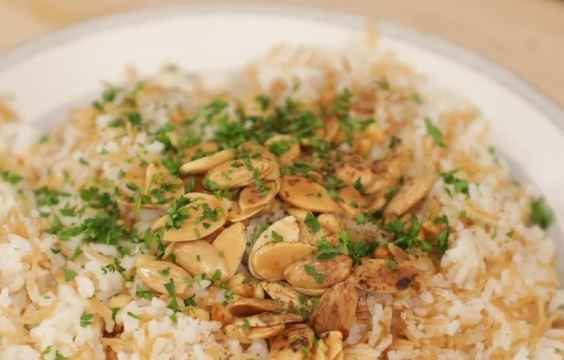
    The Lebanese Almond Rice is a traditional roz bil lauz made with simple ingredients and a perfect side dish for grilled meats, stews, and everything in between.

    Lebanese Almond Rice

    What Is Lebanese Almond Rice?

    Lebanese almond rice (roz bil lauz) is a popular side dish and part of the broader family of Lebanese rice pilaf (roz bi sh’arieh), where rice is cooked with toasted vermicelli noodles in butter or oil. But this version takes it further with the addition of toasted almonds that add both visual appeal and delicious nutty crunch.

    What makes Lebanese rice distinctive from plain steamed rice is the technique of toasting vermicelli noodles (thin pasta broken into small pieces) in butter until golden brown before adding the rice.

    The almonds in this recipe serve multiple purposes. They add visual appeal (making this suitable for special occasions), improves texture by making it crunchy, and contribute a rich, buttery flavor that complements the toasted vermicelli. Some cooks toast the almonds with the vermicelli, while others toast them separately and scatter them on top as garnish – both methods work well.

    If you love this Lebanese almond rice recipe, you’ll probably also enjoy Lebanese Vermicelli Rice (the simpler version without almonds), Hashweh (spiced rice with ground meat and nuts), Mujadara (lentils and rice with caramelized onions), Makloubeh (upside-down rice with vegetables and meat), and of course, serving it alongside Grilled Chicken, Chicken Shawarma, or Kafta Kebabs.

    Why You’ll Love This Lebanese Almond Rice Recipe

    Simple but impressive – Easy enough for weeknight dinners but elegant enough for special occasions

    Perfect texture every time – The technique creates fluffy, separate grains with a beautiful golden color from the toasted vermicelli

    Incredibly versatile – Pairs beautifully with other sources of protein, from grilled meats to vegetarian stews

    Lebanese Almond Rice Ingredients

    Here’s what you will need to make this recipe:

    Rice

    2 cups long-grain white rice – Basmati rice is ideal for Lebanese rice pilaf because it stays fluffy with separate grains. Regular long-grain white rice also works beautifully. Avoid short-grain or sticky rice varieties—you want rice that stays light and fluffy, not clumpy. The rice should be rinsed thoroughly before cooking to remove excess starch.

    Vermicelli

    1/2 cup vermicelli noodles (broken into small pieces) – These thin pasta strands are essential to authentic Lebanese rice. You’ll break them into roughly 1/2 to 1-inch pieces. Look for the thinnest vermicelli you can find (sometimes labeled as angel hair pasta in Western stores). The vermicelli toasts to golden brown in butter, adding beautiful color, toasted flavor, and textural variety to the rice.

    Fat

    4 tablespoons butter (or ghee) – Butter is traditional and adds rich flavor. Some Lebanese cooks use ghee (clarified butter) or a combination of butter and olive oil. The butter is what toasts the vermicelli and almonds to golden perfection and coats each grain of rice with silky richness.

    Almonds

    1/2 cup sliced or slivered almonds – These can be added in two ways: toasted with the vermicelli for integrated flavor throughout, or toasted separately and sprinkled on top as garnish. Sliced almonds are traditional, but you can also use slivered or even whole almonds that you’ve roughly chopped. Make sure they’re unsalted!

    Liquid

    3 cups water or chicken broth – The general ratio is 1.5 cups liquid to 1 cup rice when using the absorption method. Water works perfectly fine, but chicken broth (or vegetable broth) adds extra depth and savory flavor. Some cooks use a combination of both.

    Seasoning

    1 teaspoon salt (or to taste) – Essential for bringing out all the flavors. If using salted broth, reduce the added salt accordingly. Start with less and adjust after tasting.

    Optional additions

    1/4 teaspoon ground cinnamon – A tiny pinch adds warmth and subtle sweetness that complements the almonds beautifully. Very traditional in some Lebanese households.

    1 bay leaf – Adds aromatic depth while the rice cooks. Remove before serving.

    2 tablespoons pine nuts – Some cooks add pine nuts along with (or instead of) almonds for extra richness.

    Additions and Substitutions

    Rice substitute: Jasmine rice works well, as does any long-grain white rice. Brown rice can be used but will require more liquid (4 cups) and longer cooking time (40-45 minutes).

    Vermicelli substitute: You can use angel hair pasta broken into small pieces, or thin spaghetti broken up. Orzo (rice-shaped pasta) can work, but will look different. In a pinch, you can make the rice without vermicelli, though it won’t be traditional.

    Butter substitute: Ghee (clarified butter) is wonderful and very traditional. Olive oil can be used for a dairy-free version, or use a combination of olive oil and butter for the best of both worlds.

    Almonds substitute: Pine nuts are the most traditional alternative (often used in hashweh rice). Cashews, pistachios, or walnuts can also work. Omit nuts entirely for plain vermicelli rice.

    Broth substitute: Water is perfectly fine! For vegetarian/vegan, use vegetable broth. For extra richness, use half broth and half water.

    Add vegetables: Some cooks add frozen peas in the last 5 minutes of cooking for color and nutrition. Diced carrots can be sautéed with the vermicelli.

    Make it fancy (hashweh-style): Add 1/2 lb ground lamb or beef browned with the vermicelli, plus warm spices like cinnamon, allspice, and black pepper.

    Add aromatics: A small diced onion sautéed with the vermicelli adds sweetness and depth.

    Saffron rice: Add a pinch of saffron threads soaked in 2 tablespoons of warm water to the cooking liquid for a beautiful golden color and luxurious flavor.

    Extra crispy topping: Toast extra almonds and vermicelli separately until very crispy and use as garnish on top for added crunch.

    How to Make Lebanese Almond Rice (Roz bil Lauz)

    I learned to make proper Lebanese rice from my friend’s mother during a visit to their family home. I’d been making rice for years—how hard could it be? But when I watched her transform simple rice into something magical by toasting vermicelli in butter until golden brown, I realized I’d been missing out.

    The first lesson was patience. She stressed that the vermicelli needed to be toasted to a deep golden brown, not just lightly colored. “This is where the flavor comes from,” she explained, stirring constantly and watching like a hawk. “Too light and it tastes bland. Too dark and it’s bitter. Just right, and the whole rice becomes fragrant.”

    The second lesson was the importance of good ingredients. She used real butter (not margarine), quality basmati rice that she rinsed three times, and whole almonds she sliced herself that morning. “Cooking is simple,” she said, “but simple means you can’t hide behind complexity. The ingredients have to be good.”

    The third lesson was the technique. Once the liquid was added and brought to a boil, the lid went on and didn’t come off. No peeking, no stirring, no checking. “The steam must stay inside,” she insisted. “Every time you lift the lid, you let out steam and the rice won’t cook evenly.”

    When we finally opened the pot after the resting period, the rice was absolutely perfect—fluffy, with each grain separate, golden vermicelli scattered throughout like little treasures, and toasted almonds adding pops of crunch. We served it alongside grilled kafta kebabs, and I understood why Lebanese rice is never just plain rice.

    Now when I make Lebanese almond rice at home, I hear her voice reminding me to toast until deeply golden, to resist the urge to peek, and to use good butter. These small details make all the difference between ordinary rice and rice that people actually talk about.

    I’ve served this rice at dinner parties where people have asked for the recipe (it’s always a surprise when they learn how simple it is), packed it in lunch boxes where it holds up beautifully even cold, and made it countless times as a weeknight side dish that makes even simple grilled chicken feel special.

    Frequently Asked Questions

    What type of rice is best for Lebanese rice?

    Long-grain rice like basmati or regular long-grain white rice works best. These varieties stay fluffy with separate grains rather than sticky. Basmati is preferred for its aromatic quality and perfect texture, but any quality long-grain rice will work beautifully.

    Do I have to use vermicelli?

    Vermicelli is traditional and essential to authentic Lebanese rice pilaf. It adds toasted flavor, visual appeal, and textural variety. However, if you can’t find vermicelli, you can use broken angel hair pasta or thin spaghetti. You can also make rice without it, though it won’t be traditional roz bi sh’arieh.

    Can I use brown rice?

    Yes, but you’ll need to adjust the liquid and cooking time. Use 4 cups liquid instead of 3, and cook for 40-45 minutes instead of 15-18 minutes. The texture and flavor will be different from traditional Lebanese rice, but it’s a healthy alternative.

    Why do you toast the vermicelli and almonds first?

    Toasting in butter creates deep, nutty, caramelized flavors that simple boiling can’t achieve. It also gives the vermicelli that beautiful golden color that makes Lebanese rice so distinctive. This step is crucial and shouldn’t be skipped!

    Can I make this ahead of time?

    Yes! You can make it several hours ahead and keep it warm in the covered pot on the lowest heat setting. You can also make it a day ahead, refrigerate, and reheat in the microwave or on the stovetop with a splash of water. It freezes well for up to 3 months.

    Why is my rice sticky or mushy?

    This usually means the rice wasn’t rinsed enough (excess starch makes rice sticky), too much liquid was used, or the rice cooked too long. Make sure to rinse until the water runs clear, use the proper 1.5:1 liquid-to-rice ratio, and don’t overcook.

    Can I make this in a rice cooker?

    Yes! Toast the vermicelli, almonds, and rice in butter on the stovetop first, then transfer everything to your rice cooker. Add the liquid and cook on the white rice setting. It works beautifully.

    What should I serve with Lebanese almond rice?

    This rice is incredibly versatile! It pairs beautifully with grilled meats (chicken, lamb, beef kebabs), stews (bazella, fasolia, okra stew), roasted vegetables, or even just with yogurt and a simple salad. It’s the perfect side dish for Middle Eastern meals.

    Can I make this vegan?

    Absolutely! Replace the butter with olive oil or vegan butter, and use vegetable broth instead of chicken broth. It will still be delicious, though the flavor will be slightly different from the traditional butter-based version.

    How do I prevent burning the vermicelli?

    Use medium heat (not high), stir constantly, and watch carefully. The vermicelli can go from golden to burnt very quickly. If it’s browning too fast, reduce the heat. Don’t multitask during this step—give it your full attention for those 3-5 minutes.

    Want more delicious Lebanese rice dishes and sides?

    Lebanese Vermicelli Rice (Roz bi Sh’arieh) – The simpler version without almonds, equally delicious.

    Hashweh – Spiced rice with ground meat, pine nuts, and almonds.

    Mujadara – Lentils and rice with crispy caramelized onions.

    Makloubeh – Upside-down rice with eggplant, cauliflower, and meat.

    Lebanese Rice Pudding – Creamy rice dessert with orange blossom water.

    Fattoush Salad – Crispy bread salad perfect alongside rice.

    Grilled Kafta – Ground meat kebabs that pair perfectly with this rice.

    Lebanese Almond Rice

    Lebanese Almond Rice Recipe

    Fragrant Lebanese rice pilaf with toasted vermicelli noodles and golden almonds. This roz bil lauz is fluffy, buttery, and nutty – the perfect side dish for grilled meats, stews, and special occasions.
    Total Time 30 minutes
    Servings: 6 servings
    Calories: 310

    Ingredients
      

    Main Ingredients
    • 2 cups long-grain white rice preferably basmati
    • 1/2 cup vermicelli noodles broken into small pieces (1/2 to 1-inch pieces)
    • 1/2 cup sliced or slivered almonds unsalted
    • 4 tablespoons butter or ghee
    • 3 cups water or chicken broth
    • 1 teaspoon salt adjust if using salted broth
    Optional Additions
    • 1/4 teaspoon ground cinnamon
    • 1 bay leaf
    • 2 tablespoons pine nuts in addition to or instead of almonds

    Method
     

    1. Rinse the rice under cold water until clear, then drain and set aside.
    2. Break the vermicelli into small pieces and set aside.
    3. Melt the butter in a pot over medium heat, then add the vermicelli and almonds. Stir until golden and fragrant, about 3–5 minutes.
    4. Add the rice and stir to coat well. Cook for 1–2 minutes.
    5. Pour in the water or broth, add salt and any optional spices, and stir once.
    6. Bring to a full boil over medium-high heat.
    7. Reduce heat to low, cover, and cook for 15–18 minutes without lifting the lid.
    8. Turn off the heat and let it sit, covered, for 5 minutes.
    9. Remove the lid, discard the bay leaf if used, and fluff with a fork.
    10. Serve warm, topped with extra almonds if desired.
  • Lebanese Oregano Salad (Salatet Zaatar Akhdar)

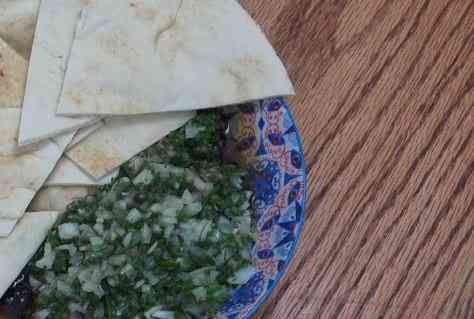
    Some dishes don’t need much to be special. Just a few fresh ingredients, mixed together the right way, and that’s enough. Salatet zaatar akhdar, a Lebanese oregano salad, is one of those dishes.

    It’s very simple. Fresh wild oregano leaves are tossed with sliced onions, a little sumac, lemon juice, and good olive oil. That’s it.

    In many Lebanese homes, no one measures anything. Still, giving measurements can help if you’re making it for the first time.

    When wild oregano is in season, especially in spring, this salad is a favorite. It’s quick, healthy, and full of flavor.

    Lebanese Oregano Salad

    What is Zaatar Akhdar and Where Does it Come From?

    Zaatar akhdar translates literally to “green zaatar” or “fresh zaatar,” and it refers specifically to the fresh leaves of wild oregano, botanically known as Origanum syriacum. This is the wild cousin of the Mediterranean oregano you might be familiar with, but with a more peppery, slightly bitter taste and a more pungent, complex aroma.

    This bushy perennial herb is native to the Levant – Lebanon, Syria, Jordan, Palestine, and parts of Turkey – where it grows wild throughout the rocky hillsides. In Lebanon, it appears at the beginning of spring, carpeting the hills with its aromatic presence. For centuries, Lebanese people have foraged wild oregano from these hills, using it both fresh in salads and dried to make the famous zaatar spice blend.

    What Kind of “Zaatar” to Use

    The word “zaatar” causes considerable confusion, particularly in the West, because it refers to multiple things:

    Zaatar akhdar (fresh wild oregano): The fresh, leafy herb itself – Origanum syriacum. This is what we’re using in this salad.

    Zaatar spice blend: The dried seasoning mixture made from ground dried oregano (Origanum syriacum), sumac, sesame seeds, and salt. This is what you mix with olive oil and spread on flatbread to make manakish.

    Zaatar (the plant name): In Arabic, “zaatar” can refer to any number of aromatic herbs in the oregano/thyme family, though most commonly it means Origanum syriacum.

    To make it simple, fresh zaatar akhdar (wild oregano) is a major component in making the zaatar spice blend that has gone truly global. The fresh herb is dried, ground into a powder, then combined with sumac and sesame seeds to create the blend. Though the blend varies from country to country and family to family, these are the standard ingredients.

    For this salad, we’re using the fresh herb, zaatar akhdar.

    Wild Oregano vs. Common Oregano for Zaatar Akhdar

    It’s important to distinguish between wild oregano (Origanum syriacum) and the common oregano you find in most supermarkets (Origanum vulgare):

    Flavor: Wild oregano has a more complex, peppery, slightly bitter taste with pronounced aromatic qualities. Common oregano is milder and sweeter.

    Appearance: Wild oregano has larger, more substantial leaves and grows in bushier, more upright clumps. Common oregano has smaller leaves and tends to creep along the ground.

    Growing region: Wild oregano is native to the Levant and prefers hot, dry, rocky conditions. Common oregano is native to the Mediterranean and grows in a wider range of conditions.

    Culinary use: In Lebanon, wild oregano is eaten both fresh (in salads) and dried (in spice blends and as a general seasoning). Common oregano is almost always used dried.

    For this salad, you really want Origanum syriacum if you can find it. Some Middle Eastern markets sell it fresh in spring, or you can grow it yourself. If you absolutely can’t find it, use the freshest, most flavorful oregano you can source, preferably a Greek or Syrian variety, but know that the flavor will be different.

    Lebanese Oregano Salad  Ingredients

    This salad is very simple to make, and you need only a few ingredients. That means each one really matters. When the ingredients are fresh and of good quality, the salad tastes better.

    Here’s what you’ll need.

    Wild Oregano (Zaatar Akhdar)

    Wild oregano – about 4 bunches (around 400g with stems, giving about 4 cups leaves once picked)

    This is the heart of the salad. Look for bunches with bright green leaves that smell fresh and strong. The top stems should be soft and tender. If the stems are thick and woody, the plant is older, and the leaves may taste more bitter.

    Spring is the best time to use wild oregano. Before the plant flowers, the leaves are softer and less bitter. After flowering, they become stronger and tougher — still edible, just more intense.

    Where to find it:

    • Middle Eastern grocery stores in spring
    • Some farmers’ markets in warm climates
    • Or grow it yourself — Origanum syriacum grows well in pots or gardens with plenty of sun and good drainage

    If you can’t find wild oregano:

    • Fresh Greek oregano
    • Fresh Syrian oregano
    • Regular supermarket oregano (milder, but works)
    • Fresh thyme (different taste, but still nice)

    The Onion

    1 large onion, very finely chopped

    Try to chop it small so it blends into the salad instead of standing out in big pieces.

    Sweeter onions work beautifully:

    • Vidalia
    • Walla Walla
    • Red onion

    Some people prefer white or yellow onions for a sharper bite. It’s really up to you.

    If the onion tastes too strong, soak the chopped pieces in ice water for about 10 minutes. Then drain well before using.

    The Dressing

    Sumac – 1½ teaspoons

    Sumac is a deep red spice made from dried berries. It tastes tangy and slightly earthy. It gives the salad a gentle lemony kick and makes all the flavors pop.

    It’s hard to replace. If you absolutely can’t find it, you can add a little extra lemon zest, but it won’t taste exactly the same.

    Fresh Lemon Juice – ¼ cup

    Always use fresh lemon. Bottled juice tastes flat and won’t give you the same nice flavor.

    Extra Virgin Olive Oil – ⅓ cup

    Use good olive oil here. You’ll taste it. A fruity, slightly peppery oil works best. Lebanese, Palestinian, Greek, or Italian olive oils are all great choices.

    This is not the place for bland or low-quality oil. The olive oil blends with the oregano and helps carry all the flavor.

    Salt – to taste

    Start with a little and adjust. Salt balances the slight bitterness of the oregano and brings everything together.

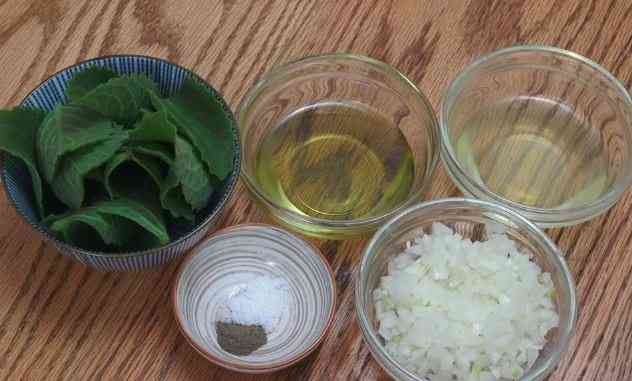
    Lebanese Oregano Salad ingredients

    How to Make Salatet Zaatar Akhdar Step-By-Step

    The whole process for making the salad takes about 20 minutes. Most of that time is just removing the leaves from the oregano.

    Step 1: Remove the Oregano Leaves

    This is the longest part, but it’s easy once you get the hang of it.

    Wild oregano has small leaves and firm stems. Instead of picking off each leaf one by one, do this:

    • Hold the top of a sprig in one hand.
    • With your other hand, gently pinch the leaves between your fingers.
    • Slide your fingers down the stem in one smooth motion.

    The leaves will fall off quickly, and you’ll be left with a bare stem. Repeat until you have about 4 cups of leaves.

    Throw away the stems, or keep them to dry for tea. They still have aroma, even if they’re too tough to eat.

    This same method works for other herbs like thyme or rosemary.

    Step 2: Wash the Leaves Well

    Wild herbs can carry dirt or tiny insects, so wash them carefully.

    • Put the leaves in a large bowl.
    • Fill with cold water and gently move them around.
    • Lift the leaves out of the water into another bowl. Don’t pour them through a strainer — the dirt will just fall back on them.
    • Repeat this 2 or 3 times until the water looks clean.

    Step 3: Dry the Leaves

    After the last rinse:

    • Take a handful of leaves and gently squeeze them between your palms to remove extra water.
    • Don’t press too hard. You don’t want to crush them.
    • Place them in a large salad bowl.

    They should feel slightly damp, but not dripping. If they’re too wet, the dressing won’t stick properly.

    Step 4: Add the Onion

    Add your finely chopped onion to the bowl with the oregano. Make sure it’s chopped small, so it spreads evenly through the salad.

    Step 5: Add the Flavor

    Now build the dressing directly in the bowl:

    • Sprinkle the sumac over the leaves and onion.
    • Pour the fresh lemon juice evenly over the top.
    • Drizzle the olive oil across the surface, not all in one spot.
    • Add a small pinch of salt to start.

    Step 6: Toss Gently

    Using your hands (the traditional way) or salad tongs:

    • Toss everything gently but well.
    • If using your hands, lightly massage the leaves so they absorb the dressing.

    The oregano should be coated evenly, and the onion and sumac should be mixed throughout.

    Step 7: Taste and Adjust

    Taste it a little.

    Does it need:

    • More salt?
    • More lemon?
    • A little more sumac?

    Adjust slowly until you’re ok with it.

    Step 8: Serve

    You can serve it right away while it’s still fresh. Or, you can let it sit for 5–10 minutes if you like the leaves slightly softened and the flavors more blended together.

    You can serve alone or with pita bread, a sandwich, eggs, grilled meat, etc.

    Frequently Asked Questions

    What if I can’t find wild oregano (Origanum syriacum)?

    Look for it at Middle Eastern markets in spring, or try growing it yourself. If unavailable, substitute with the freshest Greek or Syrian oregano you can find. Common supermarket oregano will work, but will be milder. Fresh thyme is also a different but pleasant alternative.

    Can I reduce the onion?

    Absolutely! Adjust to your preference. Some people use less onion or even omit it entirely.

    Is this the same as the zaatar spice used on manakish?

    No. This salad uses fresh wild oregano leaves. The zaatar spice blend is made from dried, ground oregano mixed with sumac, sesame seeds, and salt. They both come from the same plant, but they’re prepared differently.

    My oregano seems tough. What should I do?

    Use only the most tender leaves from the growing tips. If the whole plant seems tough, it may be too mature or past its prime. Younger plants in early spring are most tender. You can also massage the dressed salad more vigorously to help break down the leaves slightly.

    How much is “4 bunches”?

    About 400g (14 oz) with stems, which yields approximately 4 cups of de-stemmed leaves. The exact amount isn’t critical – adjust the other ingredients proportionally if you have more or less oregano.

    Can I use dried oregano?

    No, this recipe requires fresh oregano. Dried oregano has a completely different texture and flavor profile and wouldn’t work in a salad.

    Lebanese Oregano Salad

    Lebanese Oregano Salad Recipe (Zaatar Akhdar)

    A traditional Lebanese salad made from fresh wild oregano leaves (Origanum syriacum) dressed simply with sumac, lemon juice, olive oil, and onions.
    Total Time 20 minutes
    Servings: 4
    Course: Appetizer

    Ingredients
      

    • 4 bunches wild oregano leaves only
    • 1 large onion finely chopped
    • tsp sumac
    • ¼ cup lemon juice
    • cup olive oil
    • Salt to taste
    • Optional: pita bread, feta, or halloumi

    Method
     

    1. Remove leaves from stems and wash well. Drain and gently squeeze out excess water.
    2. Place oregano in a bowl. Add onion and sumac.
    3. Pour in lemon juice and olive oil. Add salt.
    4. Mix well (use your hands if possible) until everything is coated.
    5. Adjust seasoning if needed. Serve immediately.

    Notes

    • Use fresh lemon juice and good olive oil for best flavor.
    • If you can’t find wild oregano, use fresh oregano or thyme.
    • Best eaten fresh, but can be kept in the fridge for a day.

  • Lebanese Zaatar Salad

    Lebanese Zaatar Salad

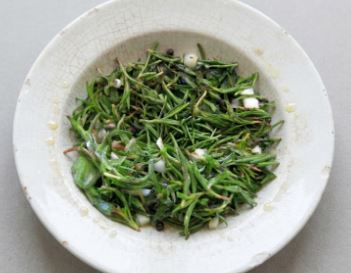
    This green wild thyme salad, or salatat zaatar in Arabic, is one of those deeply evocative dishes in Lebanese. Fresh wild thyme leaves, dressed with nothing more than lemon juice, olive oil, and a touch of onion, create a salad that is pleasantly bitter and super healthy.

    Lebanese Zaatar Salad

    What is Salatat Zaatar?

    Salatat zaatar translates literally to “thyme salad.” It’s a traditional Lebanese salad made from fresh, young wild thyme leaves – not dried thyme like you’d find in your spice cabinet, but tender, spicy leaves picked directly from wild-growing thyme plants.

    Wild Thyme vs. Cultivated Thyme vs. Zaatar Spice

    There’s often confusion about what “zaatar” actually means, as the word refers to multiple things:

    Fresh wild thyme (zaatar akhdar): The fresh herb itself, growing wild in the Mediterranean hills. This is what’s used for this salad.

    Zaatar spice blend: The famous Middle Eastern spice mixture made from dried wild thyme (or oregano), sumac, sesame seeds, and salt. This is what you spread on flatbread with olive oil for manakish.

    Cultivated garden thyme: The common thyme (Thymus vulgaris) that grows in herb gardens worldwide. While related, it has a different, milder flavor than wild Mediterranean varieties.

    For this salad, you want fresh zaatar – either wild-harvested or from a garden where you’ve specifically grown wild thyme varieties. If you can’t find true wild thyme, wide-leaf oregano (which is botanically very similar and sometimes even called “Syrian oregano” or “wild marjoram”) is the best substitute, as they have a similar flavor.

    Lebanese Zaatar Salad Ingredients

    This is one of the simplest recipes you’ll ever make – just five ingredients plus salt. The quality and freshness of each ingredient is paramount since there’s nowhere to hide. Here’s what you’ll need. For exact measurements, see the recipe card below.

    Fresh Wild Thyme

    Wild thyme (1 bunch): Look for young, tender plants with vibrant green leaves. The stems should be relatively soft, not woody. If you’re foraging wild thyme, harvest from clean areas away from roads or contaminated sites, and only take what you need, leaving plenty for the plants to regenerate.

    The best wild thyme for salads comes from plants that haven’t yet flowered. Once the plants bloom, the leaves become tougher and more intensely bitter. You want the tender growing tips and the youngest leaves.

    How to identify wild thyme: Wild thyme grows low to the ground in bushy mounds. The leaves are small, oval-shaped, and intensely aromatic when crushed. The whole plant smells powerfully of thyme – you can’t miss it. If you’re in the Mediterranean or similar climates, look for it growing on rocky hillsides, between stones, and in sunny, well-drained areas.

    Substitutes if you can’t find wild thyme:

    • Wide-leaf oregano (sometimes called Greek oregano or Syrian oregano) – this is the best substitute
    • Fresh garden thyme – will work but has a milder, different flavor
    • Young oregano leaves – very close in flavor profile
    • Fresh marjoram – milder but pleasant

    Growing your own: Wild thyme can be cultivated in gardens or containers in moderate to warm climates. It loves sun, well-drained soil, and doesn’t need much water once established. It’s actually quite easy to grow and will spread to form an aromatic ground cover.

    Spices and Dressing

    Small onion (1 very small, yellow or white, finely chopped): The onion should be finely minced – we’re talking tiny pieces. It provides a sharp, pungent counterpoint to the herbaceous thyme. Use a small onion or even half of a medium onion – you want onion flavor without it overpowering the delicate thyme.

    Green onions (⅓ bunch, finely chopped): Also called scallions. Use both the white and light green parts, finely sliced. Green onions add a milder, sweeter onion flavor that complements the sharper white onion.

    Fresh lemon juice (from 1 lemon): This must be fresh – bottled lemon juice simply doesn’t have the bright, clean acidity of fresh. The lemon juice is crucial – it brightens the flavors, balances the bitterness of the thyme, and helps “cook” the onions slightly to mellow their rawness.

    Extra virgin olive oil (2 teaspoons): Use your best olive oil here. With so few ingredients, quality really matters. A fruity, peppery Lebanese or Greek olive oil would be ideal. The amount is deliberately small – this is a light dressing that coats rather than drowns the leaves.

    Salt (a dash): Just a pinch to enhance flavors. Wild thyme already has a strong flavor, so you don’t need much salt.

    How to Make Salatat Zaatar Step-By-Step

    This recipe is more about careful preparation than cooking – there’s no cooking involved at all. The key is in properly preparing the wild thyme and balancing the dressing. The entire process takes about 10-15 minutes.

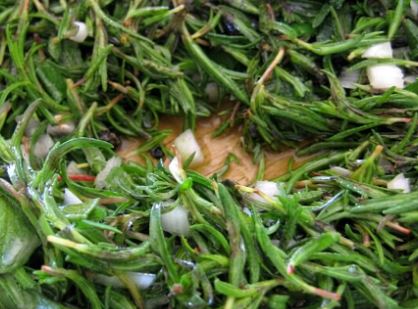
    Lebanese Zaatar Salad recipe

    Preparing the Wild Thyme

    Step 1: Rinse the wild thyme thoroughly under cold running water. Wild-harvested herbs can have dirt, dust, or small insects, so a good rinse is important. Swish the thyme around in a bowl of water if it’s particularly dirty, changing the water until it runs clear.

    Step 2: Shake off excess water and lay the thyme out on clean kitchen towels. Pat dry gently. It’s important that the thyme is completely dry before you pick the leaves – wet leaves won’t hold the dressing well and will dilute the flavors.

    Step 3: This is the most time-consuming but meditative part: hand-pick the tiny green leaves from the stems. Focus on the tender leaves at the growing tips and along the upper portions of the stems. These are the most tender and least bitter.

    Step 4: Discard the stems – they’re too tough and woody for salad. Some people save them to dry for tea or to add to stocks and broths for flavoring, but they’re not eaten in the salad.

    Why hand-pick? You might be tempted to chop the whole thing or use a stripping tool, but hand-picking ensures you’re selecting only the most tender leaves and avoiding the tough, woody parts.

    Preparing the Spices

    Step 5: Peel and very finely chop the small onion. You want tiny, uniform pieces that will distribute throughout the salad rather than large chunks that dominate any given bite. A sharp knife is essential – dull knives crush the onion rather than cutting it cleanly, releasing more of those tear-inducing compounds and making the onion taste harsher.

    Step 6: Finely chop both the white and light green parts of the green onions. Slice them thin – about ⅛ inch or less. The finer you chop, the more evenly the onion flavor will distribute.

    Step 7: If your onions are particularly pungent and you want to mellow them slightly, you can soak the chopped onions in ice water for 5-10 minutes, then drain and pat dry. This removes some of the sharp bite. However, many Lebanese people prefer the full, robust onion flavor, so this step is optional.

    Making the Salad

    Step 8: In a serving bowl, combine the picked wild thyme leaves, chopped white onion, and chopped green onions.

    Step 9: Squeeze the fresh lemon juice directly over the salad. Use all the juice from one lemon – the acidity is important for balancing the bitterness of the thyme and mellowing the onions.

    Step 10: Drizzle the olive oil over the salad. Two teaspoons might seem like very little, but remember, this is a light, refreshing salad, not a heavy one. The oil should lightly coat the leaves, not pool at the bottom of the bowl.

    Step 11: Add just a pinch or dash of salt. Start conservative – you can always add more, but you can’t take it away.

    Step 12: Using your hands or salad tongs, gently toss everything together until the thyme leaves and onions are evenly coated with the lemon juice and olive oil. Massage the dressing into the leaves slightly to help them absorb the flavors.

    Step 13: Taste and adjust. Does it need more lemon for brightness? More salt to bring out the flavors? A touch more olive oil for richness? Adjust to your preference.

    Step 14: Let the salad sit for 5 minutes before serving if you have time. This allows the flavors to meld and the lemon juice to slightly “cook” and mellow the onions.

    How to Serve Salatat Zaatar

    This salad is traditionally served as part of a mezze spread or alongside main meals, but there are specific ways Lebanese people typically enjoy it:

    With pita bread: The most traditional way. Scoop the salad onto a piece of pita bread, fold it up, and eat like a taco. The bread provides a neutral base that balances the intense flavors.

    As a side salad: Serve alongside grilled meats, particularly lamb or chicken.

    With cheese: Pair with labneh (strained yogurt), halloumi, or white cheese. The creamy, salty cheese beautifully complements the sharp, herbaceous salad.

    In a mezze spread: Serve as one of several small salads and dips, alongside tabbouleh, fattoush, hummus, and baba ganoush.

    With rich foods: Because of its digestive properties and palate-cleansing quality, serve it alongside fatty or rich dishes like fried foods, kebabs, or heavy stews.

    For breakfast: In Lebanese villages, this salad is sometimes eaten for breakfast with pita bread, olives, and tea.

    If you’re looking for other traditional appetizers or desserts, you might want to try out Maakaroun or the Lebanese Avocado Cocktail.

    Frequently Asked Questions

    Can I use dried thyme instead of fresh?

    No, this recipe absolutely requires fresh thyme. Dried thyme has a completely different texture and flavor profile. This salad is all about the fresh, vibrant quality of young thyme leaves.

    Why is my salad very bitter?

    Wild thyme is naturally somewhat bitter, but excessive bitterness usually means the leaves are too mature or woody. Use only the youngest, most tender leaves from the growing tips. Also, make sure you’re using enough lemon juice to balance the bitterness.

    Can I use regular garden thyme?

    You can, though the flavor will be milder and different from authentic wild thyme. Use the most tender leaves and increase the quantity since they’re less intensely flavored.

    How much is “a bunch” of wild thyme?

    About a large handful of fresh stems, which will yield approximately 1-1½ cups of picked leaves. The exact amount isn’t critical – adjust the other ingredients proportionally.

    Is this the same as the zaatar spice I put on flatbread?

    No, though they’re related. This salad uses fresh wild thyme leaves. The zaatar spice blend is made from dried thyme (or oregano) mixed with sumac, sesame seeds, and salt. Completely different preparations, though they start with the same plant.

    Why does it need both regular onion and green onion?

    They provide different flavor notes – regular onion gives sharp pungency, while green onions add a milder, sweeter note. Together they create a more complex onion flavor, but you could use just one if needed.

    Lebanese Zaatar Salad recipe

    Lebanese Zaatar Salad

    A fresh Lebanese salad made with wild thyme, lemon, olive oil, and onions. Light, slightly bitter, and full of flavor.
    Total Time 15 minutes
    Servings: 2
    Course: Appetizer

    Ingredients
      

    • 1 bunch fresh wild thyme leaves only
    • 1 small onion very finely chopped
    • bunch green onions chopped
    • Juice of 1 lemon
    • 2 tsp olive oil
    • Pinch of salt
    • (optional) pita bread, labneh, or olives

    Method
     

    1. Wash well, dry, and pick off the leaves.
    2. Place the thyme in a bowl. Then add in your chopped onions.
    3. Add lemon juice, olive oil, and salt.
    4. Mix gently until everything is coated.
    5. Let it sit for 5 minutes, then serve fresh.

    Notes

    • Use tender leaves to reduce bitterness
    • Add more lemon if you want a brighter taste
    • If thyme isn’t available, use fresh oregano or thyme
    • Best eaten fresh (within a few hours)
  • Lebanese Awarma Recipe

    Lebanese Awarma Recipe

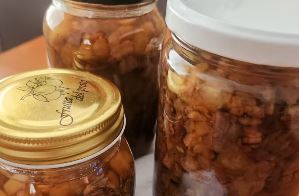
    Lebanese Awarma is crispy, richly flavored preserved lamb made by slowly rendering lamb fat and cooking minced lamb until crispy. This traditional Lebanese confit is a pantry staple that can be kept for months and goes well with everything from scrambled eggs to hummus.

    Lebanese Awarma recipe

    What Is Awarma?

    Awarma (also spelled qawarma, ‘awarma, or awerma) is a traditional Lebanese preserved meat preparation where lamb is cooked slowly in its own rendered fat, then stored submerged in that fat for long-term preservation. Think of it as the Lebanese version of duck confit or the Middle Eastern cousin of German lard spread – richly flavored, intensely savory, and absolutely transformative when added to simple dishes.

    What makes awarma special is both its practicality and its incredible flavor. This ancient preservation technique was born out of necessity in Lebanese mountain villages where there were no refrigerators or supermarkets. Families would slaughter a lamb and needed a way to preserve the meat for months. By slowly rendering the lamb fat and cooking the meat in it, then storing everything together in clay jars, they created a pantry staple that could last through winter and beyond.

    The traditional method uses chunks of lamb meat cooked in rendered lamb fat with minimal seasoning – just salt and sometimes cinnamon. The meat becomes incredibly tender and aromatic, while the fat acts as both a cooking medium and a preservative seal. When stored properly in a cool, dark place, awarma can last up to a year, making it one of the most practical traditional Lebanese preparations.

    Modern Lebanese cooks, like the recipe featured here, often use minced lamb instead of chunks. This creates a different but equally delicious result—the minced meat becomes wonderfully crispy, almost like deeply flavored meat crumbles that add texture and richness to whatever dish they touch. It’s particularly great with eggs.

    In Lebanese culture, awarma is considered comfort food at its finest. It’s what you reach for when you want to turn a simple breakfast into something special—spread it cold on flatbread, fry it with eggs, dollop it on hummus, or use it to add depth to batata harra (spicy potatoes). The smell of awarma cooking is nostalgic for many Lebanese people, reminding them of grandmother’s kitchens and simpler times.

    If you love this awarma recipe, you’ll probably also enjoy Lebanese Sujuk (spiced lamb sausage), Basturma (cured spiced beef), Kibbeh Nayyeh (raw kibbeh), Makdous (stuffed pickled eggplant), and, of course, serving it with Hummus, Batata Harra, or simply with eggs and warm pita bread.

    Awarma Recipe Ingredients

    Lamb Fat

    700g lamb fat – This is essential and not something you can substitute.

    You need the fat from lamb specifically – ask your butcher for lamb fat trimmings or suet. The fat will be rendered down into pure, flavorful cooking fat that preserves the meat.

    Don’t use mutton fat as it will be too intensely flavored. High-quality lamb fat from grass-fed animals will give you the best flavor.

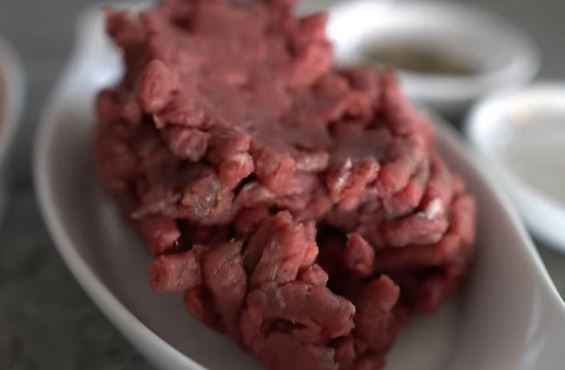
    minced lamb

    Meat

    500g minced lamb – This recipe uses ground lamb rather than chunks, which creates crispy, crumbly bits when cooked.

    The minced version is particularly delicious with eggs and easier to use as a spread. Make sure it’s lamb, not mutton – mutton has a much stronger, gamier flavor that can be overwhelming.

    You can ask your butcher to mince it fresh, or do it yourself at home. For the traditional version with chunks, you can use lamb shoulder or leg cut into 1-inch cubes instead of mince.

    Seasonings

    Lebanese Awarma ingredients

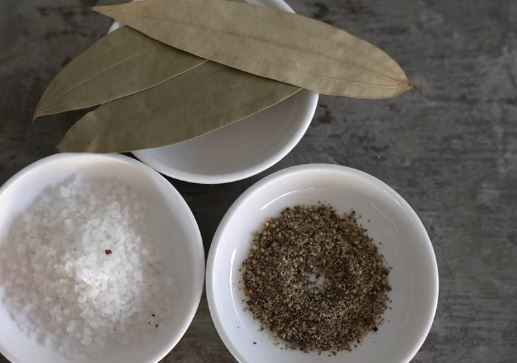
    1.5 teaspoons salt – Essential for both flavoring and preservation. Salt draws out moisture and helps preserve the meat.

    You can adjust to taste, but don’t reduce it too much as the salt is part of what makes this keep for so long.

    1 pinch cinnamon – A small amount of cinnamon adds warmth and subtle sweetness that complements the lamb beautifully. This is traditional in Lebanese cooking, where cinnamon appears in many savory dishes.

    Just a pinch – you want it to be almost imperceptible, adding depth rather than obvious spice.

    Optional Additions

    1/4 teaspoon ground cumin – Adds earthy, warm notes.

    1/4 teaspoon ground cardamom – Brings aromatic, slightly citrusy complexity.

    1/4 teaspoon baharat (Lebanese seven spices) – For a more complex spice profile.

    Equipment You’ll Need

    Large, heavy-bottomed pan or pot – For rendering the fat and cooking the meat.

    Fine-mesh strainer or sieve – For straining out the cracklings from the rendered fat.

    Sterilized glass jars – 3 x 200ml (or equivalent) jars with tight-fitting lids for storage. Sterilize by boiling or running through a dishwasher cycle.

    How to Make Awarma (Lebanese Lamb Confit)

    Step 1: Prepare the lamb fat

    Remove any remaining bits of meat from the lamb fat (though small amounts are fine). Cut the 700g lamb fat into small cubes, approximately 2 cm (3/4 inch) pieces. Smaller pieces will render faster and more evenly. Place the cubed fat in a large, heavy-bottomed pan.

    Step 2: Render the fat

    Cover the pan with a lid and place it over medium-low heat. Let the fat render slowly for approximately 45 minutes, stirring occasionally every 10 minutes or so. You’re looking for the fat to completely melt down into liquid. The process is done when the fat has fully liquefied and small, golden, crispy pieces of crackling (gribenes or cracklings) float to the surface.

    IMPORTANT: Don’t let the heat get too high. If the fat gets too hot, any meat residue can burn, giving the entire batch a bitter, burnt flavor. Keep it at a gentle simmer. The cracklings should be golden, not dark brown.

    Step 3: Strain the rendered fat

    Using a fine-mesh sieve or strainer, carefully strain the melted fat into a bowl or another pot to remove all the crispy cracklings. Most people save and eat these cracklings (they’re delicious!), but you can discard them if you prefer. What you’re left with should be clear, golden liquid lamb fat.

    Step 4: Cook the minced lamb

    Return the strained, rendered fat back to the pan. Add the 500g minced lamb, 1.5 teaspoons salt, and a pinch of cinnamon (plus any other spices you’re using). Stir well to break up the meat and combine everything.

    Step 5: Cook until the water evaporates

    Cook over medium heat WITHOUT the lid for approximately 20 minutes, stirring occasionally. You’ll notice liquid (water from the meat) appearing in the pan. Keep cooking until ALL the water has completely evaporated. You’ll know it’s ready when the meat has turned from pink to brown, the sizzling sound changes (from wet bubbling to crispy frying), and you can see the fat is clear with crispy bits of meat throughout. The meat should be cooked through and beginning to crisp up.

    Step 6: Check for doneness

    The awarma is ready when the meat is fully cooked, nicely browned, and all moisture has evaporated. The fat should be clear and golden, not cloudy. If you tilt the pan, you should see clear fat with crispy meat particles suspended in it.

    Step 7: Fill the jars

    While the awarma is still very hot (this is important!), carefully ladle or pour it into your sterilized glass jars. Fill each jar, making sure the meat is evenly distributed and completely submerged in the fat. Leave about 1/2 inch of space at the top. The fat creates a seal that preserves the meat.

    Step 8: Cool and seal

    Let the jars cool to room temperature uncovered. As they cool, the fat will solidify and turn white/cream colored, creating a protective seal over the meat. Once completely cool, put the lids on tightly.

    Step 9: Store

    Store in the refrigerator for up to 1 year. The fat acts as a preservative, keeping the meat fresh for months. Always use clean utensils when scooping out awarma to prevent contamination.

    Step 10: Use and enjoy!

    To use, scoop out the amount you need (both meat and some fat). The fat will melt when heated, releasing the crispy meat. Use it to fry eggs, spread on bread, top hummus, or add to any dish that needs rich, meaty flavor.

    Additions and Substitutions

    Lamb substitute: Beef works beautifully! Use 700g beef fat and 500g minced beef for a milder-flavored version. Some people find beef less intense than lamb. The technique remains exactly the same.

    Fat substitute: You must use animal fat from the same animal as your meat. Don’t try to use vegetable oil or butter—they won’t preserve the meat and the flavor will be completely wrong.

    Minced vs. chunks: For traditional awarma, cut lamb shoulder or leg into 1-inch cubes instead of using mince. The chunks will be tender rather than crispy and have a different texture.

    Increase spices: Feel free to add more warm spices like cumin (1/2 teaspoon), cardamom (1/4 teaspoon), allspice, or baharat. Just don’t overdo it—you want to taste the lamb, not overwhelm it.

    Add aromatics: Some cooks add 2-3 cloves of crushed garlic or a bay leaf while cooking the meat.

    Make it spicier: Add a pinch of cayenne pepper or Aleppo pepper for subtle heat.

    Storage variations: Traditionally, awarma was stored in clay jars or crocks. Glass jars with tight-fitting lids work perfectly for modern storage.

    Frequently Asked Questions

    How long does awarma last?

    When properly prepared and stored in sterilized jars in the refrigerator, awarma can last up to 1 year. The key is making sure the meat is completely submerged in fat (which creates an airtight seal) and always using clean utensils when scooping it out.

    Can I use beef instead of lamb?

    Absolutely. Use 700g beef fat and 500g minced beef (or beef chunks). The technique remains exactly the same. Beef awarma has a milder flavor than lamb and is a great option if you find lamb too intense.

    Where do I get lamb fat?

    Ask your local butcher for lamb fat trimmings or suet. Most butchers have it and are happy to sell it, often quite cheaply. Call ahead to make sure they have it available. You can also ask them to mince your lamb while you’re there.

    Why can’t I use olive oil or vegetable oil instead of animal fat?

    Animal fat is essential for two reasons: (1) It has the right flavor that complements the meat, and (2) It solidifies when cool, creating the airtight seal that preserves the meat. Vegetable oils stay liquid and won’t preserve the meat properly.

    What do the cracklings taste like? Should I save them?

    The cracklings (crispy bits left after rendering the fat) are delicious—like crispy, porky bits but made from lamb. Many people salt them lightly and eat them as a snack, crumble them over salads, or save them to add to the awarma at the end. They’re a treat!

    How do I use awarma?

    The most traditional use is with eggs—scoop 2-3 spoonfuls into a hot pan, let the fat melt and meat crisp up, then add eggs. You can also spread it cold on flatbread, use it to top hummus, stir it into rice or grains, add it to batata harra, or use it anywhere you want rich, meaty flavor.

    Can I make this with lamb chunks instead of mince?

    Yes! That’s actually the more traditional method. Use 500g lamb shoulder or leg cut into 1-inch cubes instead of mince. The chunks will be very tender rather than crispy. Follow the same technique but cook until the meat is fall-apart tender.

    Why is my awarma bitter?

    This happens when the fat gets too hot during rendering and any meat residue burns. The burnt flavor infuses the entire batch. Prevention: keep the heat at medium-low when rendering, and don’t rush the process. The cracklings should be golden, not dark brown.

    Do I need to refrigerate awarma?

    For modern food safety, yes, refrigerate it. Traditionally, it was stored in cool, dark places without refrigeration (which is how it was preserved before fridges existed), but refrigeration is much safer and ensures it stays good for the full year.

    Can I freeze awarma?

    You can, but there’s no real need to since it keeps for a year in the fridge. If you do freeze it, it will keep indefinitely, but the texture might change slightly when thawed.

    Want more traditional Lebanese preserved and breakfast foods?

    Lebanese Sujuk – Spiced lamb sausage, another preserved meat specialty.

    Pumpkin Kibbeh –  Lebanese vegan kibbeh made with layers of spiced pumpkin-bulgur.

    Makdous – Pickled stuffed baby eggplants preserved in olive oil.

    Labneh Balls in Oil – Preserved strained yogurt cheese balls.

    Za’atar Manakish – Classic Lebanese flatbread for breakfast.

    Foul Mudammas – Stewed fava beans, a breakfast staple.

    Hummus – Perfect topped with warm awarma.

    Macaroon bi toum – Traditional Lebanese dish of handmade wheat noodles with garlic lemon sauce. 

    Lebanese Awarma Recipe

    Lebanese Awarma Recipe

    Traditional Lebanese preserved meat made by rendering lamb fat and cooking minced lamb until crispy, then storing in the rendered fat.
    Total Time 1 hour 10 minutes
    Servings: 3 Jars
    Course: Preserve
    Calories: 2519

    Ingredients
      

    • 700 g lamb fat cut into small cubes
    • 500 g minced lamb
    • tsp salt
    • Pinch of cinnamon
    • Optional: cumin cardamom, or mixed spices

    Method
     

    1. Place lamb fat in a pot over low heat. Cook about 45 minutes until fully melted. Stir occasionally.
    2. Remove crispy bits and keep the clear melted fat.
    3. Return fat to the pot. Add lamb, salt, and spices. Cook on medium heat, stirring.
    4. Cook until all water is gone and the meat turns brown and slightly crispy.
    5. While hot, pour into clean jars. Make sure the meat is fully covered with fat.
    6. Let it cool, then seal and refrigerate. Keeps for months.

    Notes

    • Keep heat low when melting fat (don’t burn it)
    • Meat must be fully covered in fat to last long
    • Always use a clean spoon when taking some out
    • If it smells or tastes bitter, the fat was overheated
  • Lebanese Avocado Cocktail

    Lebanese Avocado Cocktail

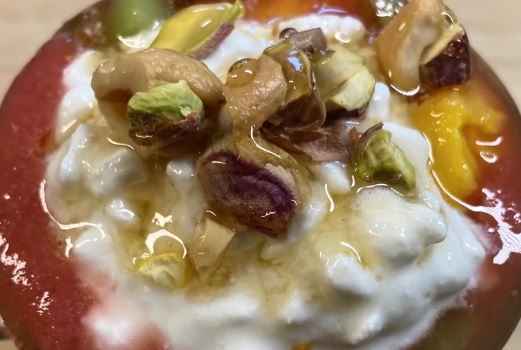
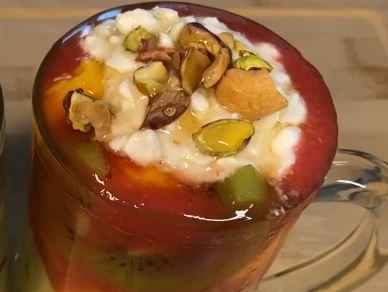
    If you’ve never put avocado in a dessert before, I need you to trust me on this one. This Lebanese avocado and strawberry cocktail is one of Lebanon’s most beloved spring and summer street desserts. The good part is that there’s no alcohol in it. In Lebanon, these layered fruit and smoothies are often called cocktails.

    lebanese avocado cocktail​

    Which Fruits To Use

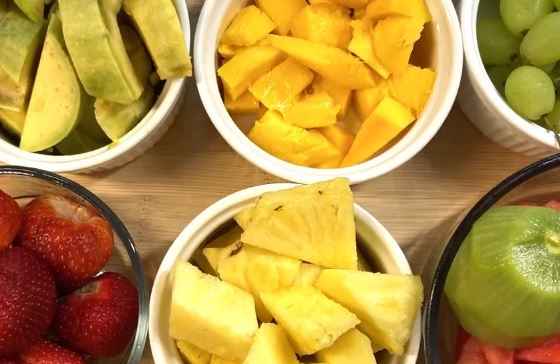
    Since the fruit is the whole point of this cocktail, buy the best you can find. Seasonal, ripe fruit makes an enormous difference to the final result. Cocktail bars in Lebanon stock whatever is in season, and you should do the same. In spring and summer, you’ll have the widest variety to work with – mango, banana, kiwi, peach, and strawberries are all perfect choices.

    I also recommend keeping your fruits in the fridge overnight before making this. Blending warms everything up, and this cocktail is best served cold. If you forget, a few ice cubes in the blender will do the trick.

    In addition, if you can find proper ashta, use it. If you can’t, good-quality ricotta mixed with a little rose water and orange blossom water is an excellent substitute. Don’t skip the floral waters if you can help it – they’re what give this dessert its soul.

    What Goes Into a Lebanese Avocado Cocktail

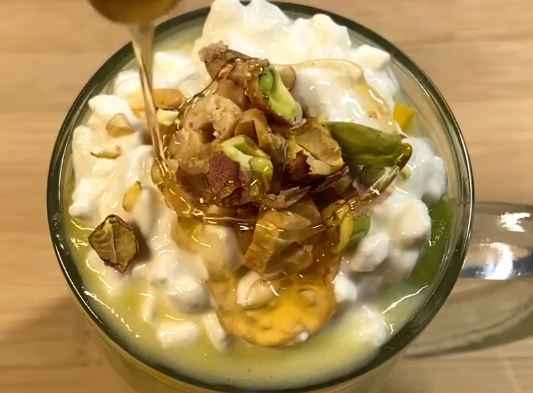
    Avocado: This forms the base smoothie layer, and it is my favourite part of the whole cocktail. Blended with milk and honey, it becomes impossibly creamy and rich without being heavy. Make sure your avocado is fully ripe – an underripe one will give you a bitter, lumpy smoothie.

    Milk: Blended with the avocado to loosen the smoothie and add extra creaminess. Taste the smoothie before pouring it into the glass and adjust the amount of milk to your liking. For a vegan version, any plant-based milk works just as well.

    Honey: Goes into both smoothie layers to sweeten them, and gets drizzled generously on top at the end. Taste as you go — you may want more or less depending on how sweet your fruit already is.

    Strawberries: These do two jobs in this recipe. Some get chopped and layered in with the fruit chunks, and the rest get blended into a bright, sweet smoothie that gets poured over the top. The contrast between the green avocado layer and the red strawberry layer is half the visual appeal of this cocktail.

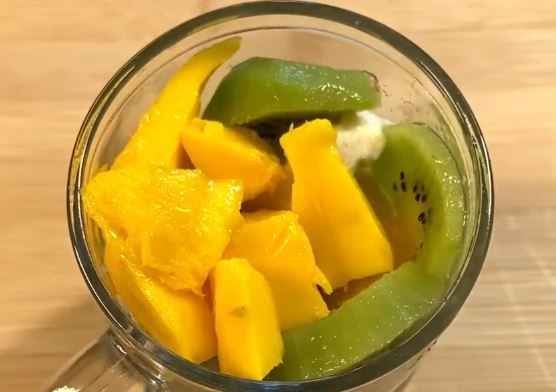
    Seasonal fruits: Whatever looks best at the market. Mango, banana, kiwi, and extra strawberries are all great choices. Chop them into bite-sized pieces — not too small, you want them to hold their shape in the glass.

    Ashta or ricotta: The crown of the cocktail. If you’re using ricotta, mix in a little rose water and orange blossom water to get that authentic floral flavour.

    Almonds: Blanched almonds on top add a crunch that cuts through all that creaminess beautifully. I like to soak raw almonds overnight in water – it makes the skins slip right off and gives them a wonderfully fresh crunch. You can also buy them pre-blanched if you’re short on time.

    How To Make Lebanese Avocado Cocktail

    Prepare your fruits first: Cut the avocado in half, remove the pit, and peel it. Trim the stems off the strawberries that you’ll be blending. Chop the rest of your seasonal fruits – mango, banana, kiwi, and any remaining strawberries – into bite-sized pieces and set them aside. If you’re using ricotta instead of ashta, mix in the rose water and orange blossom water now and set it aside in the fridge.

    avocado cocktail lebanese recipe​

    The avocado smoothie: Add the avocado, milk, and two tablespoons of honey to a blender and blend until completely smooth and creamy. Taste it before pouring – this is the time to adjust the honey or add a little more milk if you want it thinner. Pour the avocado smoothie equally into two large glasses, filling them about halfway. Pint glasses or large mugs work perfectly for this.

    The fruit layer: Spoon the chopped fruits over the avocado smoothie layer, dividing them evenly between the two glasses. Don’t be shy with the fruit — this layer should be generous.

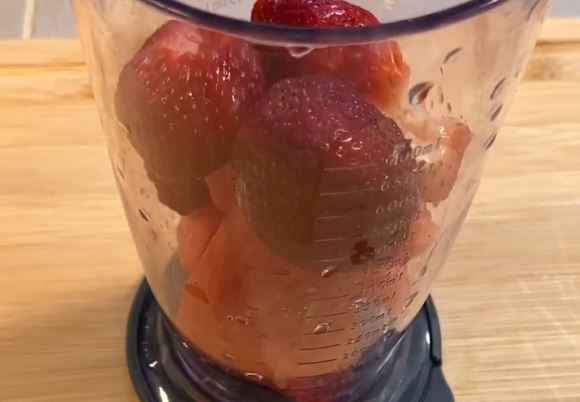
    The strawberry smoothie: Blend the strawberries with water and one tablespoon of honey until completely smooth. Pour this over the fruit layer slowly, giving the glass a gentle shake so the smoothie settles down between the fruit pieces. Leave a little room at the top – you’ll need it for the cream and toppings.

    The ashta or ricotta: Dollop half the cream mixture on top of each glass. Don’t worry about making it look perfect — a generous, rustic spoonful is exactly right.

    The toppings: Finish with the blanched almonds and a drizzle of honey over each glass. Serve immediately with both a straw and a spoon. Use the straw for the smoothie layers and the spoon for the fruit and cream on top. Alternate between the two – that’s the best way to eat this.

    Avocado Cocktail Lebanese Recipe​ Variations

    You don’t have to stick to strawberry for the top smoothie layer every time. A mango smoothie works beautifully in its place, or you can make both layers avocado if you really love it – and you will. For a fully vegan version, swap the milk for a plant-based alternative, use maple syrup instead of honey, and find a plant-based ricotta that isn’t savoury.

    Also, you can make a Lebanese fruit cocktail without the avocado. This version tends to go well with a Maakaroun.

    Rose water and orange blossom water can be found at most Middle Eastern grocery stores or ordered online. If you really can’t find them, plain ricotta with a good drizzle of honey on top still makes a delicious topping — just know you’re missing a little of the magic.

    lebanese avocado cocktail​

    Lebanese Avocado Cocktail Recipe​

    This Lebanese avocado and strawberry cocktail is one of Lebanon’s most beloved spring and summer street desserts. The good part is that there’s no alcohol in it.
    Total Time 10 minutes
    Servings: 2 glasses
    Course: Dessert
    Cuisine: lebanese

    Ingredients
      

    • 1 large ripe avocado halved, pit removed and peeled
    • 1 cup milk
    • 3 tablespoons honey divided, plus more for garnish
    • cups mixed seasonal fruits such as mango banana, kiwi and strawberry, chopped into bite-sized pieces
    • cups strawberries stems trimmed
    • 2 tablespoons water
    • cup ashta or ricotta
    • ½ teaspoon rose water optional, to taste
    • ¼ teaspoon orange blossom water optional, to taste
    • 2 tablespoons blanched almonds

    Method
     

    1. Place the avocado, milk, and 2 tablespoons of honey in a blender and blend until smooth and creamy. Taste and adjust honey to your liking. Pour equally into two large glasses, filling them about halfway.
    2. Spoon the chopped fruits over the avocado layer, dividing evenly between the two glasses.
    3. Blend the strawberries, water, and 1 tablespoon of honey until smooth. Pour over the fruit layer, giving the glass a gentle shake to let the smoothie settle between the fruits. Leave a little space at the top.
    4. If using ricotta, mix in the rose water and orange blossom water. Dollop half the cream mixture on top of each glass.
    5. Garnish with blanched almonds and a drizzle of honey. Serve immediately with a straw and a spoon.

    Notes

    Use a fully ripe avocado – an underripe one will give you a bitter smoothie. Keep your fruits in the fridge overnight before making this, so everything stays cold. Taste both smoothie layers before assembling and adjust the honey to your liking. Soaking raw almonds overnight in water makes the skins easy to remove and gives them a great crunch. Rose water and orange blossom water are available at Middle Eastern grocery stores or online – don’t skip them if you can help it.
  • Lebanese Fruit Cocktail (With Ashta)

    Lebanese Fruit Cocktail (With Ashta)

    If you’ve ever wandered through the busy streets of Beirut or any Lebanese city, chances are you’ve stopped at a colourful fruit stand and watched someone prepare one of these layered beauties right in front of you. The Lebanese fruit cocktail – known locally as cocktail shikaf, which simply means “fruit chunks cocktail” – is one of those street foods that’s hard to walk past and even harder to forget.

    lebanese fruit cocktail

    What Is Cocktail Shikaf?

    At its core, a cocktail shikaf is freshly cut fruit piled into a cup, topped with a base of blended fresh strawberry or kiwi juice, a generous spoonful of ashta cream, a handful of raw nuts, and a drizzle of honey. Every street vendor has their own version, and the fruits change with the seasons. In winter, expect more citrus. In summer, the cups overflow with tropical and stone fruits — mango, peach, pineapple, and more.

    A good cocktail shikaf should have at least five to seven different fruits in it. Think banana, kiwi, mango, avocado, orange, strawberry, apple, pear, pineapple, peach, or apricot – whatever looks best at the market that day.

    What Makes It Lebanese

    Fruit cocktails exist in just about every culture around the world, but what sets this one apart is the ashta. Ashta is a clotted cream flavoured with rose water, and it’s what gives this dessert its unmistakably Lebanese identity. That rich, slightly floral cream sitting on top of cold, juicy fruit is a combination that’s hard to describe and even harder to beat.

    If you can, make your ashta from scratch. The flavour is so much better than anything store-bought. You can substitute whipped cream in a pinch, but it really isn’t the same – the rose water aroma is the whole point.

    Lebanese Fruit Cocktail Ingredients

    Fruit: Use whatever is in season and looks fresh. For this recipe, we’re using banana, peach, kiwi, apple, mango, pineapple, and strawberries. The strawberries do double duty – some get cut into chunks, and the rest get blended into the juice base that fills the cup.

    Ashta cream: This is the heart of the dessert. Rich, creamy, and lightly scented with rose water. Make it from scratch if you can — two tablespoons per serving is all you need, but you’ll want more.

    Nuts: Raw walnuts and crushed pistachios add crunch and a lovely contrast to the soft fruit. Don’t skip these – they’re not just garnish, they’re part of the experience.

    Honey: A drizzle at the end ties everything together. It adds sweetness without overpowering the natural flavour of the fruit.

    Lebanese Fruit Cocktail Recipe Step-by-Step

    The beauty of this recipe is how simple it is once everything is prepped.

    Start with your fruit. Cut the mango, apple, pineapple, kiwi, banana, peach, and about a third of your strawberries into roughly one-inch chunks. You want them bite-sized but substantial enough to hold their shape in the cup.

    lebanese cocktail ashta​

    For the juice base, blend the remaining strawberries until completely smooth. This becomes the liquid that fills the cup and brings everything together. Don’t add water – the strawberries have more than enough juice on their own.

    lebanese fruit cocktail strawberries

    Finally, fill each serving cup generously with the fruit chunks, then pour the blended strawberry juice over the top until the cup is full. Add two tablespoons of ashta cream, scatter over your walnuts and pistachios, and finish with a drizzle of honey. Serve immediately and serve cold.

    How To Serve

    The Lebanese fruit cocktail drink is a dessert, a snack, and a refreshment all at once. Serve it straight from the fridge on a warm day, or put it together fresh.

    You can enjoy it with some Maakaroun.

    lebanese fruit cocktail

    Lebanese Fruit Cocktail (Shikaf)

    A layered Lebanese street food dessert with fresh fruit, rose water ashta cream, nuts, and honey.
    Servings: 5 glasses
    Course: Dessert
    Cuisine: lebanese

    Ingredients
      

    • 5 Bananas
    • 5 Peaches
    • 5 Kiwis
    • 3 Apples
    • 2 Large mangoes
    • 0.5 Pineapple
    • 48.6 ounces Strawberries
    • 10 tablespoons Ashta cream
    • 0.5 cups Raw walnuts
    • 0.5 cups Crushed raw pistachios
    • 5 tablespoons Honey

    Method
     

    1. Cut all five Bananas, five Peaches, five Kiwis, three Apples, two large mangoes, and half pineapple into roughly 1-inch chunks. Also cut about one-third of the 48.6 ounces Strawberries (approximately 450g) into chunks and set aside.
    2. Add the remaining 48.6 ounces Strawberries (approximately 900g) to a blender and blend until completely smooth. Do not add water – the strawberries have plenty of juice on their own.
    3. Fill each serving cup generously with the mixed fruit chunks. Pour the blended strawberry juice over the top until the cup is full. Add 10 tablespoons Ashta cream per cup, scatter over half a cup of raw walnuts and half a cup of crushed raw pistachios, and finish with a drizzle of five tablespoons of honey. Serve immediately and cold.

    Notes

    Make the ashta cream from scratch if you can – the rose water aroma is what makes this dessert distinctly Lebanese. Whipped cream works as a substitute but won’t give you the same flavour. Use whatever fruits are in season; the recipe is very flexible. Serve cold and assemble just before eating so the fruit stays fresh.
  • Lebanese Vegan Kibbeh (Kibbeh Aat’aa)

    Craving the beloved flavors of kibbeh without the meat? Then consider this vegan kibbeh aat’aa. Made with mashed potatoes, chickpeas, bulgur, and fresh herbs, then baked until golden, this traditional Lebanese Lent dish is hearty, flavorful, and absolutely satisfying- even for confirmed meat-lovers.

    Lebanese Vegan Kibbeh

    What Is Kibbeh Aat’aa (Lebanese Vegan Kibbeh)?

    Kibbeh aat’aa (also spelled kibbeh ataya or kibbeh ataa) is a traditional Lebanese vegan kibbeh that’s typically made during Lent, when Orthodox Christians abstain from meat and animal products for 40 days before Easter. The name “aat’aa” comes from the Arabic word meaning “to give” or “offering.”

    For those unfamiliar with kibbeh, it’s one of the most popular dishes in Lebanese. Traditional kibbeh is made with ground meat (usually lamb) mixed with bulgur wheat, onions, and spices, then shaped and either baked, fried, or served raw. There are dozens of kibbeh variations across the country. But what makes kibbeh aat’aa special is how similar it is to the traditional kibbeh while being completely plant-based.

    Instead of meat, this version uses mashed potatoes, combined with skinned chickpea halves, bulgur, fresh herbs (parsley, mint, and green onions), and some spices. The mixture is kneaded into a dough, patted into a baking pan, scored into diamond or square shapes, then generously doused with olive oil before baking. The result is golden, crispy on the outside, tender and flavorful on the inside, with the olive oil creating pockets of richness throughout.

    What I love about kibbeh aat’aa (or lebanese potato kibbeh​) is how it proves that Lebanese cooks never settle for bland, boring Lenten food. Even when avoiding meat, the dish is packed with flavor from fresh herbs, warm spices, and generous olive oil. It’s hearty enough to be a main course, delicious enough that you won’t miss the meat, and versatile enough to serve hot or cold with pita bread and fresh vegetables.

    If you love this Lebanese potato kibbeh​ recipe, you’ll probably also enjoy Lebanese Vegetarian Stuffed Grape Leaves, Mujadara (lentils and rice), Fasolia (white bean stew), and Lebanese pumpkin kibbeh​, which are all vegan-friendly.

    Lebanese Vegan Kibbeh Recipe Ingredients

    Base Ingredients

    2 cups bulgur (cracked wheat/burghul) – Fine or medium bulgur works best. This provides structure and that characteristic kibbeh texture. Rinse well and let it dry for about 30 minutes before using—the bulgur should be slightly moist but not wet, which helps it bind with the other ingredients.

    2 cups dried chickpeas – These need to be skinned and halved, which sounds tedious but is essential for the right texture. Skinned chickpea halves are sometimes available at Middle Eastern stores, which saves significant time! If starting with whole chickpeas, you’ll soak overnight, then skin and halve them (see instructions below). The chickpeas add protein and help bind the mixture.

    3 medium potatoes, boiled and mashed – Yukon gold or russet potatoes work beautifully. The mashed potatoe is what holds everything together and provides creaminess. They also make the kibbeh tender.

    potatoes for Lebanese Vegan Kibbeh

    2 cups all-purpose flour – Helps bind the dough and gives structure. It absorbs moisture from the vegetables and creates a cohesive mixture that can be pressed into the pan and hold its shape during baking.

    Fresh Herbs

    1/2 bunch fresh parsley – Use only the leaves, finely minced. Parsley adds bright, fresh, peppery flavor that’s essential to Lebanese cooking. You’ll need about 1 cup minced.

    parsley - Lebanese Vegan Kibbeh ingredients

    1/2 bunch fresh mint – Again, leaves only, finely minced. Fresh mint is what gives this kibbeh that distinctive Lebanese flavor—cooling, aromatic, and absolutely essential. About 1/2 cup minced.

    1/2 bunch green onions, finely chopped – Both white and green parts. These add mild onion flavor and freshness without the harsh bite of raw white onions.

    1 medium white onion, finely chopped – Adds depth and savory sweetness. Chop it very finely so it distributes evenly throughout the dough.

    Spices and Oil

    1 teaspoon chili powder (or to taste) – Adds gentle warmth. Adjust based on your heat preference. You can use Aleppo pepper for more authentic Lebanese flavor.

    1/2 teaspoon Lebanese seven spices (baharat) – A blend typically containing black pepper, allspice, cinnamon, coriander, clove, nutmeg, and ginger. This is what gives kibbeh its characteristic warm, complex flavor.

    Lebanese Vegan Kibbeh ingredients

    2/3 teaspoon salt – Essential for bringing out all the other flavors. Adjust to taste.

    2 cups olive oil (about 1 cup per pan) – This seems like a lot, but it’s crucial! The olive oil soaks into the scored kibbeh, creating pockets of flavor, helping it cook through, and giving it that characteristic crispy-tender texture. Don’t skimp on the olive oil—it’s what makes this dish special.

    How to Make Kibbeh Aat’aa (Lebanese Vegan Kibbeh)

    Preparation Steps (these can be done ahead)

    Step 1: Prepare the chickpeas

    This is the most time-consuming step, but essential for proper texture.

    If you can find skinned chickpea halves at a Middle Eastern grocery store, simply soak them overnight, drain, and you’re done!

    If starting with regular whole chickpeas: Soak 2 cups dried chickpeas in plenty of water overnight. The next day, drain and rinse well. Place in a pot, cover with fresh water, and warm on the stove for a few minutes (not boiling, just warm). Drain.

    Spread the warm chickpeas on a clean kitchen towel. Place another towel on top. Using a rolling pin, roll firmly over the chickpeas several times with pressure to crack them open.

    Place the broken chickpeas back in the pot and fill with water. Using your hands, rub the chickpeas vigorously to separate the skins. The skins will float to the top. Pour off the water and skins. Repeat this process several times until all (or most) chickpeas are skinned and halved. Drain well and place in your large mixing bowl.

    Step 2: Prepare the potatoes

    Peel the 3 medium potatoes and cut into chunks. Boil in salted water for 15-20 minutes until very tender when pierced with a fork. Drain and let cool slightly. Mash thoroughly until smooth with no lumps. Add to the mixing bowl with the chickpeas.

    Step 3: Prepare the bulgur

    Rinse the 2 cups bulgur under cold water in a fine-mesh strainer. Drain well, then spread on a clean kitchen towel and let air-dry for about 30 minutes. The bulgur should be moist but not dripping wet. Add to the mixing bowl.

    Step 4: Prepare the herbs and onions

    Wash the parsley and mint thoroughly. Remove and discard the stems, keeping only the tender leaves. Finely mince the leaves until almost paste-like—you want them very fine so they distribute evenly. Add to the mixing bowl.

    Finely chop the green onions (white and green parts). Finely chop the white onion. Add both to the mixing bowl.

    Step 5: Add flour and spices

    Add the 2 cups flour on top of all the ingredients in the mixing bowl. Add the 1 teaspoon chili powder, 1/2 teaspoon Lebanese seven spices, and 2/3 teaspoon salt.

    Step 6: Knead the dough

    Using clean hands, knead everything together for several minutes—at least 5-7 minutes of good kneading. You’re working the ingredients together into a cohesive dough. It should be moist enough to hold together when pressed but not wet or sticky. If it’s too dry and crumbly, add a tablespoon of water at a time. If too wet, add a bit more flour. The final texture should be like a thick, slightly sticky dough.

    Baking

    Step 7: Prepare your pan

    Brush a 9×13 inch Pyrex glass baking pan (or similar size baking dish) generously with olive oil to prevent sticking.

    Step 8: Pat the dough into the pan

    Transfer the kibbeh dough to the prepared pan. Using wet hands (dip them in water to prevent sticking), pat and press the dough evenly into the pan. The layer should be about 1/2 to 2/3 inch thick. Smooth the top as evenly as possible.

    Step 9: Score the kibbeh

    Using a sharp knife, cut deep diagonal lines across the dough to form diamond or square shapes. Cut all the way through to the bottom of the pan. Then make a small cut or poke (like an “X”) in the center of each diamond or square. This scoring serves two purposes: it allows the olive oil to seep deep into the dough, flavoring and cooking it from the inside, and it makes the kibbeh easy to cut and serve once baked.

    scoring kibbeh with a knife

    Step 10: Soak with olive oil

    Here’s the key step: Slowly and gently pour olive oil over the entire surface of the scored kibbeh. Pour it into the cuts and grooves you made. Keep pouring until the kibbeh is fully covered with oil and the oil level is just above the surface of the dough. This should take about 1 cup of olive oil per pan. Don’t skimp—the oil is what makes this dish rich and delicious!

    Step 11: Bake

    Preheat your oven to 400°F (200°C). Bake the kibbeh for 45-60 minutes, or until the top turns light golden brown and slightly crispy around the edges. Poke a piece in the center with a fork to ensure the inside is cooked through—it should be tender and the fork should slide in easily.

    Step 12: Cool slightly and serve

    Let the kibbeh cool for about 10 minutes, then cut along the scored lines. Serve warm or at room temperature with warm pita bread, fresh vegetables, and pickles.

    Additional Notes

    Chickpeas substitute: If you absolutely can’t find or prepare chickpea halves, you can use cooked whole chickpeas that you’ve pulsed briefly in a food processor to break them up, though the texture won’t be quite as traditional.

    Bulgur substitute: Quinoa can work in a pinch, though it’s not traditional. You could also use fine couscous, but again, the texture will be different.

    Potatoes substitute: Sweet potatoes create a sweeter, different-flavored version. You could also try adding mashed white beans for extra protein.

    Flour substitute: Chickpea flour can replace some or all of the all-purpose flour for a gluten-free version.

    Fresh herbs substitute: In a true emergency, you could use 2 tablespoons dried parsley and 1 tablespoon dried mint, but fresh is vastly superior and really essential to the authentic flavor.

    Add vegetables: Some cooks add finely chopped spinach, kale, or Swiss chard to the mixture for extra nutrients and color.

    Make it spicier: Increase the chili powder or add a pinch of cayenne pepper.

    Different shapes: Instead of baking in a pan, you can shape the dough into small patties or balls and bake on a sheet pan (reduce baking time to 30-35 minutes).

    Pine nuts: Some versions include toasted pine nuts in the dough for extra richness.

    Lebanese Potato Kibbeh Recipe Frequently Asked Questions

    What does kibbeh aat’aa mean?

    “Kibbeh” refers to the dish itself (traditionally made with meat and bulgur), and “aat’aa” comes from Arabic meaning “to give” or “offering.” Together, kibbeh aat’aa is the vegan/vegetarian version of kibbeh traditionally made during Lent as a Lenten offering or because of its generous, satisfying nature despite having no meat.

    Can I skip skinning the chickpeas?

    Skinning the chickpeas is traditional and creates the best texture -smooth and cohesive. If you use whole chickpeas with skins, the texture will be grainier and the mixture won’t hold together as well. However, if you’re short on time, you can pulse cooked whole chickpeas in a food processor to break them down.

    Where can I find skinned chickpea halves?

    Middle Eastern grocery stores often carry them in the dried goods section, sometimes labeled as “split chickpeas” or “peeled chickpeas.” Indian grocery stores may have “chana dal,” which is split, skinned chickpeas. If you find these, it saves hours of work.

    Why do I need so much olive oil?

    The generous olive oil is essential! It’s not excessive—it’s traditional. The oil soaks into the scored kibbeh, flavoring it throughout, helping it cook evenly, and creating that characteristic crispy-tender texture. Lebanese Lenten cooking uses olive oil liberally to add richness when animal fats aren’t allowed.

    Can I bake this in a different pan?

    Yes! You can use any baking dish—just adjust the thickness. Thinner kibbeh (1/2 inch) cooks faster (35-40 minutes), while thicker (1 inch) takes longer (55-65 minutes). You can also shape into individual patties.

    How do I know when it’s done?

    The top should be golden brown and slightly crispy. Poke the center with a fork – it should slide in easily and the interior should be fully cooked and tender, not hard or crunchy.

    Can I serve this cold?

    Absolutely. Kibbeh aat’aa is delicious at any temperature – hot, warm, room temperature, or cold. Many Lebanese people prefer it at room temperature. This makes it perfect for packed lunches or picnics.

    How long can it stay?

    Refrigerated in an airtight container, this can stay for up to 3-4 days. The dough (unbaked) or fully baked kibbeh freezes beautifully for up to 3 months.

    What should I serve with kibbeh aat’aa?

    Traditionally served with warm pita bread, fresh vegetables (tomatoes, cucumbers, radishes), pickles, olives, and perhaps some hummus or tahini sauce. It’s often part of a larger Lenten mezze spread.

    Lebanese Potato Kibbeh​

    Lebanese Potato Kibbeh​ Recipe

    Traditional Lebanese vegan kibbeh made with potatoes, chickpeas, bulgur, and fresh herbs, baked until golden and crisp.
    Total Time 1 hour 20 minutes
    Servings: 6 servings
    Course: Main Course
    Cuisine: lebanese

    Ingredients
      

    • 2 cups bulgur rinsed and well drained
    • 2 cups dried chickpeas soaked overnight and skinned (or split chickpeas)
    • 3 medium potatoes boiled and mashed smooth
    • 2 cups all-purpose flour
    • 1 cup finely minced parsley
    • ½ cup finely minced mint
    • ½ bunch green onions finely chopped
    • 1 medium onion finely chopped
    • 1 teaspoon chili powder
    • ½ teaspoon Lebanese seven spices
    • teaspoon salt
    • 2 cups olive oil about 1 cup per pan

    Method
     

    1. Soak chickpeas overnight. Skin and split them, or use pre-skinned split chickpeas.
    2. Boil potatoes until very tender, then mash until completely smooth.
    3. Rinse bulgur, drain well, and let it air-dry until moist but not wet.
    4. In a large bowl, combine chickpeas, mashed potatoes, bulgur, herbs, onions, flour, chili powder, seven spices, and salt. Knead for 5–7 minutes until a firm dough forms. It should hold together without being sticky. Adjust with a little water if too dry or a little flour if too soft.
    5. Preheat oven to 400°F (200°C). Generously oil a 9×13-inch baking dish. Press the dough evenly into the pan, about ½–⅔ inch thick, smoothing the top.
    6. Score into diamonds or squares, cutting all the way through. Slowly pour olive oil evenly over the surface, allowing it to seep into the cuts.
    7. Bake for 45–60 minutes, until golden and slightly crisp on top. Let cool for 10 minutes before cutting and serving.
  • Macaroon bil Toum Pasta Recipe

    Macaroon bi toum (also spelt as maacaron) is a traditional Lebanese dish of handmade wheat noodles mixed together with garlic lemon sauce. The name comes from the Italian “maccheroni” (macaroni) and the Arabic “toum” (garlic), reflecting the cross-cultural influences peculiar to Lebanese cuisine.

    a plate of Macaroon bil Toum

    This dish has its origin in the mountain villages of Lebanon, where it was traditionally prepared by farmers and villagers using the most basic pantry staples: flour, garlic, lemon, and olive oil. In these mountain communities, food was about sustenance and making the most of what was available locally. Garlic and lemons grew abundantly, while wheat was milled into flour for daily bread and noodles.

    What Is Toum (Lebanese Garlic Sauce)?

    Before we dive into the recipe, it’s worth understanding toum, the garlic sauce we will be using for the dish. Toum is one of Lebanon’s popular condiments, made from just garlic, salt, lemon juice, and oil. It’s similar to aioli, but traditional toum contains no egg – instead, the garlic itself acts as the emulsifier, creating a thick, white sauce.

    The key to successful toum is patience and technique. The garlic must be crushed very finely, and the oil must be added extremely slowly while blending continuously. When done correctly, the sauce transforms from a wet garlic paste into a light, airy, almost mayonnaise-like consistency.

    For maacaron bi toum, we use a slightly looser version of toum with more lemon juice, creating a sauce that’s more like a thin paste or glaze rather than the thick, spreadable condiment served with grilled meats.

    Macaroon bi Toum Ingredients

    Here are all the ingredients and important notes about them. For amounts, see the full recipe card below. Macaroon bi toum has three components: the handmade noodles, the garlic sauce, and the potatoes that cook alongside the noodles.

    Handmade Noodle Ingredients

    All-purpose flour. You’ll need 1 lb (about 3½ cups) of general-purpose flour. Lebanese mountain cooks would traditionally use locally milled wheat flour, which might be slightly coarser than modern all-purpose flour, but standard all-purpose works perfectly. Don’t use bread flour—the higher protein content will make the noodles too chewy.

    Yeast. Just ¼ teaspoon of active dry yeast is used. Unlike bread, we’re not looking for a significant rise here – the yeast just adds a subtle flavor and helps create a slightly more tender texture in the finished noodles. Some traditional recipes omit yeast entirely, so if you don’t have any, you can skip it.

    Salt. Essential for flavoring the dough. You’ll use about 1 teaspoon in the dough itself, plus more for the cooking water.

    Water. About 200 ml (roughly 1 cup) of water is needed to bring the dough together. The water should be room temperature or slightly warm if using yeast.

    Garlic Sauce (Toum) Ingredients

    Garlic. This is where maacaron bi toum earns its reputation. You’ll need 15 cloves of fresh garlic. Use fresh garlic cloves only; pre-minced garlic from a jar will not work for this recipe. The garlic should be firm and fresh with no green sprouts (which can add bitterness). Don’t even think about reducing the amount of garlic – that would miss the entire point of the dish.

    Fresh lemon juice. Use ½ cup of freshly squeezed lemon juice. Bottled lemon juice is not acceptable here—the fresh, bright acidity is essential to the character of the dish and helps balance the pungent garlic. You’ll need about 3-4 lemons, depending on their juiciness.

    Extra virgin olive oil. Good quality olive oil makes a difference here since it’s a main component of the sauce. You’ll need ½ cup. Lebanese extra virgin olive oil would be ideal, but any high-quality extra virgin olive oil works. The oil should have a good flavor since it’s not being cooked.

    Salt. About ⅔ teaspoon of salt goes into the garlic sauce to season it and help with the emulsification process.

    Additional Ingredients

    Potatoes. Two medium potatoes, peeled and cut into small cubes, are cooked alongside the noodles. This is a traditional addition that makes the dish more substantial and adds another texture. The potatoes also help absorb some of the intense garlic flavor, making the dish slightly more approachable. You can use any starchy potato—russet, Yukon gold, or similar.

    Olive oil for cooking water. A teaspoon of olive oil added to the boiling water helps prevent the noodles from sticking together.

    How to Make the Toum Pasta

    I highly recommend watching a video tutorial if this is your first time making these noodles – seeing the hand motion makes it much easier to understand.

    For the Noodle Dough

    1. If using yeast, dissolve it in a small cup with a tablespoon of warm water. Let it sit for a few minutes until it becomes slightly foamy. This activates the yeast.
    2. In a large mixing bowl, combine the flour and 1 teaspoon of salt. Make a well in the center and add the dissolved yeast (or just plain water if omitting yeast) and about 200 ml (1 cup) of room temperature water.
    3. Mix with your hands or a wooden spoon until the dough starts to come together. Then knead by hand for about 5 minutes until you have a smooth, elastic dough. The dough should be soft but not sticky. If it’s too dry and won’t come together, add water a tablespoon at a time. If too sticky, add a bit more flour.
    4. Cover the dough with a clean kitchen towel and let it rest for 20-30 minutes. This resting period allows the gluten to relax, making the dough easier to work with. In a warm room, 20 minutes is sufficient; in a cooler room, give it 30 minutes.

    Forming the Noodles

    1. After the dough has rested, lightly flour your work surface. Pinch off a portion of dough about the size of a golf ball and roll it between your palms and the counter to form a long “snake” about ½ to ⅔ inch in diameter. The thickness should be consistent along the length.
    2. Using a knife or bench scraper, cut the dough snake into pieces about 2 inches long. Don’t worry about making them perfectly uniform – handmade noodles should look rustic.
    3. Now comes the distinctive shaping technique: Take one piece of cut dough and place it on your work surface. Using your index finger, press down on the center of the dough piece and roll it toward yourself while applying gentle pressure. This creates a wedge or groove running through the middle of the noodle. The motion is kind of like rolling a cigarette or making gnocchi, if you’re familiar with those techniques.
    4. The goal is to create an indentation that goes nearly through the noodle. This wedge serves two purposes: it helps the thick noodles cook evenly all the way through, and it creates a little pocket that will catch the garlic sauce. Continue forming all the noodles in this way and set them aside on a lightly floured surface or tray.

    For the Garlic Sauce

    1. Peel all 15 garlic cloves. For easier peeling, you can smash them lightly with the flat side of a knife, which loosens the skins.
    2. Add the garlic cloves and ⅔ teaspoon of salt to a food processor or high-powered blender. Process until the garlic is very finely minced – almost a paste. Stop and scrape down the sides as needed to ensure even processing.
    3. With the food processor running on medium speed, begin adding the lemon juice and olive oil in a very slow, thin stream, alternating between the two. Start with a small amount of lemon juice, then a small amount of oil, then more lemon juice, then more oil. The key is to add the liquids slowly and steadily while the processor is running continuously. This gradual addition allows the garlic to emulsify the oil and lemon juice into a cohesive sauce.
    4. Continue until all the lemon juice and oil are incorporated. The final sauce should be smooth, creamy, and pale in color – somewhere between a thick liquid and a thin paste. It should pour slowly off a spoon and coat the back of the spoon. If the sauce seems too thick, you can add a tablespoon or two of water to loosen it. If it’s too thin, you can add a bit more oil while blending.

    Cooking the Noodles

    1. Fill a large pot with several cups of water (enough to comfortably cover the noodles and potatoes). Add 1 teaspoon of salt and 1 teaspoon of olive oil. Bring to a full, rolling boil over high heat.
    2. Add the cubed potatoes to the boiling water and cook for about 5 minutes to give them a head start, as they take longer to cook than the noodles.
    3. Lower the heat to maintain a gentle boil (not a violent rolling boil, which could break apart the noodles). Add the handmade noodles one handful at a time, stirring gently after each addition to prevent sticking. Don’t overcrowd the pot—if necessary, cook the noodles in batches.
    4. Cook for 20-25 minutes, stirring occasionally, until the noodles are tender all the way through and the potatoes are fully cooked. The noodles should be soft and cooked through, but still have some structure – they shouldn’t be mushy. To test, remove one noodle and cut it in half; there should be no raw flour taste, and the texture should be uniform throughout.

    Assembly and Serving

    1. When the noodles and potatoes are cooked, drain them thoroughly in a colander. Give them a good shake to remove excess water, but don’t rinse them – you want them to stay hot.
    2. Immediately transfer the hot, drained noodles and potatoes to a large serving bowl. While they’re still very hot, add all of the garlic sauce and toss vigorously to coat every piece. The heat from the noodles will help the sauce become more fluid and distribute evenly. Toss for a good minute or two to ensure everything is well coated.
    3. Serve immediately while hot. Maacaron bi toum is traditionally served as a main course alongside a fresh, acidic salad like fattoush to help balance the richness and intensity of the garlic. The crunchy, tangy salad provides essential contrast to the soft, garlicky noodles.

    Frequently Asked Questions

    What’s the difference between Toum and Aioli?

    While toum and aioli are often compared, they’re not quite the same. Aioli is a Provençal sauce that traditionally contains garlic, salt, and olive oil emulsified with egg yolk. The egg makes aioli more stable and easier to prepare. Toum, on the other hand, relies entirely on the garlic for emulsification- no eggs involved. This makes toum completely vegan, but also more temperamental to prepare. The technique requires more precision, but the result is a lighter sauce with a cleaner, more intense garlic flavor.

    Can I use a mortar and pestle instead of a food processor for the garlic sauce?

    Absolutely! In fact, traditional toum was always made in a mortar and pestle. It takes more time and elbow grease, but many people prefer the texture and flavor of hand-pounded garlic. The technique is the same: crush the garlic with salt until it forms a smooth paste, then gradually add the oil and lemon juice in tiny amounts while continuously pounding and stirring.

    Can I reduce the amount of garlic?

    Technically yes, but I would urge you not to. The entire point of maacaron bi toum is the intensity of the garlic. If you’re not ready for that level of garlic, this might not be the right dish for you. That said, if you absolutely must reduce it, I wouldn’t go below 10 cloves—any less and you’re no longer making authentic maacaron bi toum.

    What if my garlic sauce doesn’t emulsify?

    If your garlic sauce separates or doesn’t come together properly, don’t panic. Start fresh with 2-3 new garlic cloves in a clean food processor. Process them with a pinch of salt until smooth, then very slowly drizzle in your separated sauce while the processor is running. This often rescues the emulsion. The key to preventing this in the first place is adding the oil and lemon juice very slowly—patience is essential.

    Can I make this with store-bought pasta?

    You could, but it wouldn’t really be maacaron bi toum anymore. Part of the dish’s identity is the thick, handmade noodles with their characteristic wedge. If you’re short on time, you could use a thick, short pasta shape like cavatelli or penne, but understand that it’s a different dish. The handmade noodles are worth the effort—they’re easier than you think once you get the motion down.

    What should I serve with maacaron bi toum?

    Traditionally, maacaron bi toum is served with fattoush (Lebanese salad with sumac and pita chips) or another fresh, acidic salad. The crunch and tartness of the salad are essential to balance the rich, garlicky noodles. Other good accompaniments include tabbouleh, a simple tomato and cucumber salad, or pickled vegetables.

    a plate of Macaroon bil Toum

    Macaroon bi Toum Pasta

    Maacaron bi toum is a traditional Lebanese dish of handmade noodles tossed together with garlic lemon sauce.
    Prep Time 45 minutes
    Cook Time 25 minutes
    Total Time 1 hour 10 minutes
    Servings: 4 servings
    Course: Main Course
    Cuisine: lebanese, Middle Eastern

    Ingredients
      

    For the Noodles
    • 1 lb about 3½ cups all-purpose flour
    • ¼ teaspoon active dry yeast
    • 1 teaspoon salt for dough
    • 200 ml about 1 cup water, room temperature or slightly warm
    For the Garlic Sauce (Toum)
    • 15 cloves fresh garlic
    • teaspoon salt
    • ½ cup fresh lemon juice from about 3-4 lemons
    • ½ cup extra virgin olive oil
    Additional Ingredients
    • 2 medium potatoes peeled and cut into small cubes
    • 1 teaspoon salt for cooking water
    • 1 teaspoon olive oil for cooking water
    For Serving
    • Fattoush or fresh salad to serve alongside

    Method
     

    For the Noodle Dough
    1. In a small cup, dissolve the yeast in about 1 tablespoon of warm water. Let it sit for a few minutes until slightly foamy to activate the yeast.
    2. In a large mixing bowl, combine the flour and 1 teaspoon of salt. Make a well in the center and add the dissolved yeast and about 200 ml (1 cup) of room temperature water.
    3. Mix with your hands until the dough starts to come together, then knead by hand for about 5 minutes until you have a smooth, elastic dough. The dough should be soft but not sticky. Adjust with more water or flour as needed.
    4. Cover the dough with a clean kitchen towel and let it rest for 20-30 minutes (20 minutes in a warm room, 30 minutes in a cooler room).
    Forming the Noodles
    1. Lightly flour your work surface. Pinch off a golf ball-sized portion of dough and roll it between your palms and the counter to form a long “snake” about ½ to ⅔ inch in diameter.
    2. Using a knife or bench scraper, cut the dough snake into pieces about 2 inches long.
    3. Take one piece of cut dough and place it on your work surface. Using your index finger, press down on the center of the dough piece and roll it toward yourself while applying gentle pressure.
    4. Continue forming all the noodles in this way and set them aside on a lightly floured surface or tray.
    For the Garlic Sauce
    1. Peel all 15 garlic cloves. (You can lightly smash them with the flat side of a knife to make peeling easier.)
    2. Add the garlic cloves and ⅔ teaspoon of salt to a food processor. Process until the garlic is very finely minced, almost a paste. Scrape down the sides as needed.
    3. With the food processor running on medium speed, begin adding the lemon juice and olive oil in a very slow, thin stream, alternating between the two. Start with a small amount of lemon juice, then a small amount of oil, then more lemon juice, then more oil.
    4. Continue until all the lemon juice and oil are incorporated. The sauce should be smooth, creamy, and pale – somewhere between a thick liquid and a thin paste. If too thick, add 1-2 tablespoons of water. If too thin, add a bit more oil while blending.
    Cooking the Noodles
    1. Fill a large pot with several cups of water. Add 1 teaspoon of salt and 1 teaspoon of olive oil. Bring to a full, rolling boil over high heat.
    2. Add the cubed potatoes to the boiling water and cook for about 5 minutes to give them a head start.
    3. Lower the heat to maintain a gentle boil. Add the handmade noodles one handful at a time, stirring gently after each addition to prevent sticking.
    4. Cook for 20-25 minutes, stirring occasionally, until the noodles are tender all the way through and the potatoes are fully cooked.
    Final Steps
    1. When the noodles and potatoes are cooked, drain them thoroughly in a colander. Shake well to remove excess water but don’t rinse.
    2. Immediately transfer the hot, drained noodles and potatoes to a large serving bowl. While they’re still very hot, add all of the garlic sauce and toss vigorously for 1-2 minutes to coat every piece evenly.
    3. Serve immediately while hot, alongside fattoush or another fresh salad.

    Notes

    Equipment
  • Maakaroun: Lebanese Dessert Cookies

    Every December 4th, it’s not uncommon to see Lebanese homes prepare maakaroun معكرون, the traditional finger-shaped semolina cookies that have become synonymous with Eid il-Burbara (Saint Barbara’s Day). These golden, crispy treats, deep-fried until perfectly crunchy, then soaked in fragrant sugar syrup, are more than just a dessert. They’re also a reminder of a centuries-old tradition of community celebration that transforms Lebanese neighborhoods into scenes of joy and shared sweetness.

    a plate of Maakaroun

    What is Maakaroun?

    Maakaroun (also spelled maakroun, maakron, or ma’kroun) is a traditional Lebanese dessert made from semolina and flour, shaped into finger-like cylinders, deep-fried until golden and crispy, then soaked in sugar syrup infused with orange blossom water.

    The name comes from the Arabic word meaning “squashed” or “pressed,” referring to the way the dough is shaped. These cookies are distinctively Lebanese and should not be confused with French macarons – the connection is purely phonetic.

    The preparation of maakaroun is intrinsically tied to Eid il-Burbara, the Feast of Saint Barbara, celebrated by Lebanese Christians (and throughout the Levant) on December 4th.

    This joyful holiday predates Christmas by three weeks and shares interesting similarities with Halloween – children dress in disguises and go door-to-door collecting treats – but with a completely different origin story rooted in Christian martyrdom and Middle Eastern tradition.

    Maakaroun is always prepared alongside other traditional sweets on Saint Barbara’s Day: qatayef (stuffed pancakes), awamat (honey dumplings), and ameh or burbara (boiled wheat with nuts, raisins, and spices).

    Maakaroun Lebanese Recipe Ingredients

    Here are all the ingredients and important notes about them. For amounts, see the full recipe card below. Maakaroun has three main components: the semolina dough, the sugar syrup, and the oil for frying.

    Semolina Dough Ingredients

    Fine semolina. Also called semolina flour or “smeed naaim” in Arabic, this is the primary ingredient that gives maakaroun its characteristic texture—tender inside with a crispy exterior when fried. Fine semolina is made from durum wheat and has a slightly golden color. Don’t substitute with coarse semolina, which won’t achieve the right texture. You can find fine semolina at Middle Eastern markets or well-stocked grocery stores.

    All-purpose flour. Used in combination with semolina to create the perfect texture. The flour helps bind the dough and makes it easier to work with while maintaining the crispy-tender contrast when fried.

    Granulated sugar. Adds a touch of sweetness to the dough itself, though most of the sweetness comes from the syrup soak afterward.

    Baking powder. Helps the cookies puff slightly when fried, creating a lighter, airier texture inside.

    Mahlab (mahleb). This is an aromatic spice made from ground cherry pits that gives maakaroun its distinctive Middle Eastern flavor. It has a subtle, complex taste reminiscent of almonds, cherries, and roses. Find it at Middle Eastern markets. If you can’t locate mahlab, you can substitute with a combination of almond extract and a tiny pinch of ground cardamom, though the flavor won’t be quite the same.

    Anise seeds. These provide the characteristic licorice-like flavor that’s essential to authentic maakaroun. The anise seeds are typically steeped in hot water to create an infusion that’s added to the dough.

    Fennel seeds (optional). Some recipes include fennel seeds along with anise for additional aromatic complexity. The two flavors complement each other beautifully.

    Sesame seeds (optional). Some families include toasted sesame seeds for a nutty flavor and added texture.

    Vegetable oil. Used in the dough to add moisture and richness. Neutral-flavored oils like canola or sunflower work best.

    Water. Used to create the anise infusion and bring the dough together.

    Orange blossom water. This fragrant water made from bitter orange blossoms is a hallmark of Lebanese sweets. It adds a delicate, floral aroma that’s unmistakably Middle Eastern. Available at Middle Eastern markets or specialty stores. Rose water can be substituted, though orange blossom water is more traditional for maakaroun.

    Sugar Syrup Ingredients

    Granulated sugar. Forms the base of the syrup that sweetens and glazes the fried cookies.

    Water. Combined with sugar to create the syrup.

    Fresh lemon juice. Adds acidity to prevent the sugar from crystallizing and helps create a smooth, glossy syrup. It also balances the sweetness.

    Orange blossom water. Added at the end of cooking the syrup to infuse it with delicate floral notes. This is what makes the syrup distinctively Lebanese.

    For Frying

    Vegetable oil. You’ll need enough oil for deep frying—typically 2-3 inches in a deep pot or wok. Use a neutral oil with a high smoke point like canola, sunflower, or vegetable oil.

    Maakaroun ingredients

    What You Need

    How to Make Maakaroun Step-By-Step

    The key to making the perfect maakaroun is getting the dough consistency right and not over-frying the cookies. Start with the syrup since it needs to cool to room temperature before you soak the fried cookies.

    For the Sugar Syrup

    1. In a medium saucepan, combine the granulated sugar and water. Place over medium heat and stir occasionally until the sugar completely dissolves.
    2. Add the fresh lemon juice and bring the mixture to a gentle boil. Reduce heat to low and let it simmer gently for about 10-15 minutes, stirring occasionally, until the syrup thickens slightly. It should coat the back of a spoon but still pour easily—not as thick as honey, more like maple syrup.
    3. Remove from heat and stir in the orange blossom water. Set the syrup aside to cool completely to room temperature. This is important: if the syrup is hot when you add the fried cookies, they’ll become soggy instead of maintaining their crispy exterior. The syrup should be at room temperature or even slightly cool.

    For the Anise Infusion

    1. In a small pot or heat-proof bowl, combine the anise seeds (and fennel seeds if using) with about 1 cup of boiling water. Let steep for 10-15 minutes, allowing the seeds to release their aromatic oils. The water should become fragrant and slightly golden.
    2. Strain the infusion through a fine-mesh sieve to remove all the seeds. You’ll use this flavored water to make the dough. Let it cool to room temperature.

    For the Dough

    1. In a large mixing bowl, combine the fine semolina, all-purpose flour, sugar, baking powder, and mahlab. Mix well to distribute all the dry ingredients evenly.
    2. Add the vegetable oil to the dry ingredients and mix with your hands, rubbing the oil into the flour-semolina mixture until it resembles coarse breadcrumbs or wet sand. This step is important as it helps create the tender, crispy texture.
    3. Gradually add the cooled anise infusion to the mixture, starting with about ¾ cup and adding more as needed. Mix and knead gently until you have a soft, pliable dough that holds together but isn’t sticky. The dough should be smooth and easy to work with—if it’s too dry and crumbly, add a bit more anise water; if too wet and sticky, add a tablespoon of semolina.
    4. Add the orange blossom water and knead it into the dough for another minute until well incorporated. Cover the dough with a clean kitchen towel or plastic wrap and let it rest for 30 minutes. This resting period allows the semolina to fully absorb the liquids and makes the dough easier to shape.

    Shaping the Maakaroun

    1. After the dough has rested, divide it into small portions about the size of a walnut. The traditional size is roughly 1-2 tablespoons of dough per cookie, but you can make them slightly larger or smaller based on preference.
    2. Roll each portion between your palms to form a smooth ball, then roll it between your palm and a clean work surface to create a finger-like cylinder about 3-4 inches long and about ¾ inch in diameter. The shape should resemble a thick finger or a small sausage.
    3. Place the shaped cookies on a tray or plate. Continue until all the dough is shaped. If desired, you can gently press sesame seeds onto the surface of each cookie before frying for added texture and appearance.

    Frying the Maakaroun

    1. Pour vegetable oil into a deep, heavy pot or wok to a depth of about 2-3 inches. Heat the oil over medium-high heat to 350°F (175°C). If you don’t have a thermometer, test the oil by dropping in a small piece of dough—it should sizzle immediately and float to the surface, but not brown too quickly.
    2. Carefully add the shaped cookies to the hot oil in small batches—don’t overcrowd the pot or the oil temperature will drop and the cookies will absorb too much oil. Fry for about 4-5 minutes, turning occasionally with a slotted spoon or spider skimmer, until the maakaroun are evenly golden brown all over.
    3. Remove the fried cookies with a slotted spoon and drain on paper towels placed over a wire rack. The cookies should be crispy on the outside. Let them cool for just 2-3 minutes—they should still be quite warm when you add them to the syrup, but not so hot that they’ll fall apart.

    Soaking and Serving

    1. Working in batches, gently place the warm (but not hot) fried cookies into the room-temperature sugar syrup. Let them soak for about 30 seconds to 1 minute, gently turning them to ensure they’re fully coated. The cookies will absorb some syrup while maintaining their crispy exterior.
    2. Remove the soaked cookies with a slotted spoon and place them on a wire rack set over a tray (to catch drips). Let them cool and allow the syrup to set. The surface should become glossy and slightly sticky.
    3. Once completely cooled, the maakaroun can be dusted with powdered sugar if desired for a more festive appearance. Arrange them on a serving platter and serve at room temperature.

    Baked Version (Healthier Alternative)

    If you prefer not to deep-fry, you can bake maakaroun, though they won’t have quite the same crispy texture as the traditional fried version:

    • Preheat oven to 350°F (180°C).
    • Place shaped cookies on a parchment-lined baking sheet, spacing them about 1 inch apart.
    • Brush lightly with melted butter or oil.
    • Bake for 25-30 minutes or until golden brown.
    • Let cool slightly, then soak in room-temperature syrup as directed above.

    How To Prepare Ahead

    Maakaroun-making can be a time-intensive process, so you might consider spreading the work out over a day or two:

    Make the syrup ahead. The sugar syrup can be made 2-3 days in advance and stored at room temperature in a covered container. In fact, it’s better to make it ahead since it needs to be completely cool before soaking the cookies.

    Prepare and shape the dough ahead. You can make the dough and shape all the cookies several hours ahead or even the night before. Arrange the shaped cookies on a tray, cover with plastic wrap or a clean kitchen towel, and refrigerate. Bring to room temperature for 15-20 minutes before frying.

    Fry in stages. If you’re making a large batch, you can fry half the cookies, soak them, and let them cool, then fry the second batch. The fried, syrup-soaked cookies keep well, so this breaks up the work.

    Storage. Maakaroun can be stored well at room temperature in an airtight container for up to 1 week. Don’t refrigerate them, as this will make them hard and less pleasant to eat. The syrup coating acts as a preservative. For longer storage, you can freeze unfried shaped cookies for up to 2 months. Fry them directly from frozen, adding a minute or two to the frying time.

    Frequently Asked Questions

    Can I bake maakaroun instead of frying them?

    Yes! While the traditional method is deep-frying for maximum crispiness, you can bake them for a healthier option. Preheat your oven to 350°F (180°C), brush the shaped cookies with melted butter or oil, and bake for 25-30 minutes until golden brown. The texture will be slightly different—less crispy, more cake-like – but they’ll still be delicious when soaked in syrup.

    What can I substitute for mahlab?

    Mahlab has a unique flavor that’s hard to replicate perfectly. Your best substitute is a combination of ½ teaspoon almond extract and a tiny pinch (⅛ teaspoon) of ground cardamom. Some people use a drop of bitter almond extract if they can find it. While not identical, these substitutes will give you aromatic complexity similar to mahlab.

    Can I use rose water instead of orange blossom water?

    Yes, you can substitute rose water for orange blossom water in both the dough and the syrup. The flavor will be slightly different – rose water is more floral and perfumed, while orange blossom water is more citrusy and delicate – but both are traditional Lebanese flavors. You can even use half of each if you like.

    My dough is too dry/too wet. How do I fix it?

    Dough consistency can vary based on the absorption rate of your specific semolina and flour, as well as humidity. If too dry and crumbly, add more anise water or plain water, one tablespoon at a time, kneading well after each addition. If too wet and sticky, add more fine semolina, one tablespoon at a time. The dough should be soft, pliable, and smooth.

    How do I know when the oil is the right temperature?

    The ideal frying temperature is 350°F (175°C). If you don’t have a thermometer, drop a small piece of dough into the oil. It should sizzle immediately and float to the surface, gradually turning golden brown over 4-5 minutes. If it browns in less than 2 minutes, your oil is too hot. If it sinks and takes forever to float, the oil isn’t hot enough.

    Can I make the shaped cookies ahead and freeze them?

    Yes, you can. Shape all the cookies, arrange them on a baking sheet in a single layer, and freeze until solid (about 2 hours). Then transfer to freezer bags or airtight containers. They can be frozen for up to 2 months. Fry them directly from frozen – no need to thaw. Just add an extra minute to the frying time.

    Maakaroun Lebanese Recipe

    Maakaroun are traditional Lebanese finger-shaped semolina cookies made for Saint Barbara’s Day (Eid il-Burbara). These golden, crispy treats are deep-fried until perfectly crunchy, then soaked in fragrant orange blossom sugar syrup. An essential part of Lebanese Christmas traditions.
    Prep Time 1 hour
    Cook Time 30 minutes
    Total Time 1 hour 30 minutes
    Servings: 24 cookies
    Course: Dessert
    Cuisine: lebanese, Middle Eastern

    Ingredients
      

    For the Sugar Syrup

    • 2 cups granulated sugar
    • 1 cup water
    • 2 tablespoons fresh lemon juice
    • 2-3 tablespoons orange blossom water
    For the Anise Mixture
    • 2 tablespoons anise seeds
    • 1 tablespoon fennel seeds optional
    • 1 cup boiling water
    For the Dough
    • 2 cups fine semolina
    • 1 cup all-purpose flour
    • ½ cup granulated sugar
    • 2 teaspoons baking powder
    • 1 teaspoon mahlab ground cherry pit spice
    • ½ teaspoon salt
    • ½ cup vegetable oil canola or sunflower
    • ¾ to 1 cup anise infusion from above, cooled
    • 2 tablespoons orange blossom water
    • 2-3 tablespoons sesame seeds optional, for coating
    For Frying
    • Vegetable oil for deep frying about 4-6 cups
    For Serving
    • Powdered sugar for dusting optional

    Method
     

    For the Sugar Syrup (Make First)
    1. In a medium saucepan, combine the granulated sugar and water. Place over medium heat and stir occasionally until the sugar completely dissolves.
    2. Add the fresh lemon juice and bring to a gentle boil. Reduce heat to low and simmer gently for 10-15 minutes, stirring occasionally, until the syrup thickens slightly. It should coat the back of a spoon but still pour easily.
    3. Remove from heat and stir in the orange blossom water. Set aside to cool completely to room temperature.
    For the Anise Mixture
    1. In a small heat-proof bowl or pot, combine the anise seeds and fennel seeds (if using). Pour 1 cup of boiling water over the seeds and let steep for 10-15 minutes until fragrant and the water is slightly golden.
    2. Strain through a fine-mesh sieve to remove all seeds. Let the mixture cool to room temperature.
    For the Dough
    1. In a large mixing bowl, combine the fine semolina, all-purpose flour, sugar, baking powder, mahlab, and salt. Mix well to distribute all dry ingredients evenly.
    2. Add the vegetable oil to the dry mixture and rub it in with your hands until the mixture resembles coarse breadcrumbs or wet sand. This should take 2-3 minutes of mixing.
    3. Gradually add the cooled anise mixture, starting with ¾ cup. Mix and knead gently until you have a soft, pliable dough that holds together but isn’t sticky.
    4. Add the orange blossom water and knead for another minute until well incorporated. Cover the dough with a clean kitchen towel or plastic wrap and let rest for 30 minutes.
    Shaping the Maakaroun
    1. After resting, divide the dough into small portions about the size of a walnut (roughly 1-2 tablespoons each).
    2. Roll each portion between your palms to form a smooth ball, then roll between your palm and work surface to create a finger-like cylinder about 3-4 inches long and ¾ inch in diameter.
    3. If using sesame seeds, gently press the shaped cookies into sesame seeds to coat the surface. Place shaped cookies on a tray and continue until all dough is used.
    Frying the Makaaroun
    1. Pour vegetable oil into a deep, heavy pot or wok to a depth of 2-3 inches. Heat over medium-high heat to 350°F (175°C). Test with a small piece of dough – it should sizzle immediately and gradually turn golden over 4-5 minutes.
    2. Working in small batches (don’t overcrowd), carefully add shaped cookies to the hot oil. Fry for 4-5 minutes, turning occasionally with a slotted spoon, until evenly golden brown all over.
    3. Remove with a slotted spoon and drain on paper towels over a wire rack. Let cool for 2-3 minutes. Repeat with remaining cookies.
    Soaking and Serving
    1. Working in batches, gently place warm (not hot) fried cookies into the room-temperature sugar syrup. Soak for 30 seconds to 1 minute, turning gently to coat all sides.
    2. Remove with a slotted spoon and place on a wire rack set over a tray to catch drips. Let cool completely—the syrup will set and become glossy.
    3. Once cooled, dust with powdered sugar if desired. Arrange on a serving platter and serve at room temperature.