Lebanese Awarma is crispy, richly flavored preserved lamb made by slowly rendering lamb fat and cooking minced lamb until crispy. This traditional Lebanese confit is a pantry staple that can be kept for months and goes well with everything from scrambled eggs to hummus.
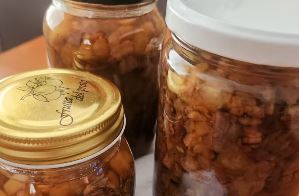
What Is Awarma?
Awarma (also spelled qawarma, ‘awarma, or awerma) is a traditional Lebanese preserved meat preparation where lamb is cooked slowly in its own rendered fat, then stored submerged in that fat for long-term preservation. Think of it as the Lebanese version of duck confit or the Middle Eastern cousin of German lard spread – richly flavored, intensely savory, and absolutely transformative when added to simple dishes.
What makes awarma special is both its practicality and its incredible flavor. This ancient preservation technique was born out of necessity in Lebanese mountain villages where there were no refrigerators or supermarkets. Families would slaughter a lamb and needed a way to preserve the meat for months. By slowly rendering the lamb fat and cooking the meat in it, then storing everything together in clay jars, they created a pantry staple that could last through winter and beyond.
The traditional method uses chunks of lamb meat cooked in rendered lamb fat with minimal seasoning – just salt and sometimes cinnamon. The meat becomes incredibly tender and aromatic, while the fat acts as both a cooking medium and a preservative seal. When stored properly in a cool, dark place, awarma can last up to a year, making it one of the most practical traditional Lebanese preparations.
Modern Lebanese cooks, like the recipe featured here, often use minced lamb instead of chunks. This creates a different but equally delicious result—the minced meat becomes wonderfully crispy, almost like deeply flavored meat crumbles that add texture and richness to whatever dish they touch. It’s particularly great with eggs.
In Lebanese culture, awarma is considered comfort food at its finest. It’s what you reach for when you want to turn a simple breakfast into something special—spread it cold on flatbread, fry it with eggs, dollop it on hummus, or use it to add depth to batata harra (spicy potatoes). The smell of awarma cooking is nostalgic for many Lebanese people, reminding them of grandmother’s kitchens and simpler times.
If you love this awarma recipe, you’ll probably also enjoy Lebanese Sujuk (spiced lamb sausage), Basturma (cured spiced beef), Kibbeh Nayyeh (raw kibbeh), Makdous (stuffed pickled eggplant), and, of course, serving it with Hummus, Batata Harra, or simply with eggs and warm pita bread.
Awarma Recipe Ingredients
Lamb Fat
700g lamb fat – This is essential and not something you can substitute.
You need the fat from lamb specifically – ask your butcher for lamb fat trimmings or suet. The fat will be rendered down into pure, flavorful cooking fat that preserves the meat.
Don’t use mutton fat as it will be too intensely flavored. High-quality lamb fat from grass-fed animals will give you the best flavor.
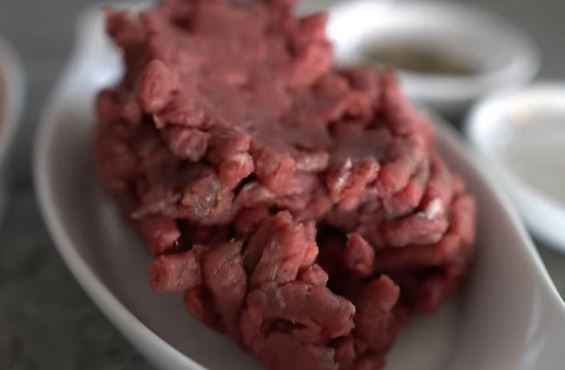
Meat
500g minced lamb – This recipe uses ground lamb rather than chunks, which creates crispy, crumbly bits when cooked.
The minced version is particularly delicious with eggs and easier to use as a spread. Make sure it’s lamb, not mutton – mutton has a much stronger, gamier flavor that can be overwhelming.
You can ask your butcher to mince it fresh, or do it yourself at home. For the traditional version with chunks, you can use lamb shoulder or leg cut into 1-inch cubes instead of mince.
Seasonings
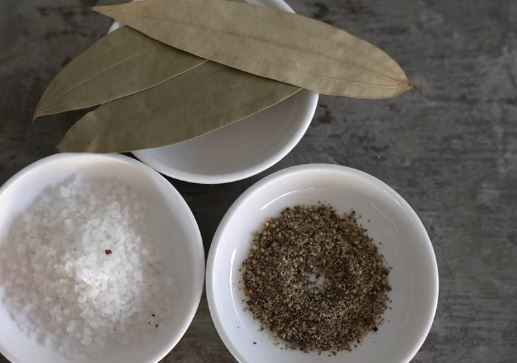
1.5 teaspoons salt – Essential for both flavoring and preservation. Salt draws out moisture and helps preserve the meat.
You can adjust to taste, but don’t reduce it too much as the salt is part of what makes this keep for so long.
1 pinch cinnamon – A small amount of cinnamon adds warmth and subtle sweetness that complements the lamb beautifully. This is traditional in Lebanese cooking, where cinnamon appears in many savory dishes.
Just a pinch – you want it to be almost imperceptible, adding depth rather than obvious spice.
Optional Additions
1/4 teaspoon ground cumin – Adds earthy, warm notes.
1/4 teaspoon ground cardamom – Brings aromatic, slightly citrusy complexity.
1/4 teaspoon baharat (Lebanese seven spices) – For a more complex spice profile.
Equipment You’ll Need
Large, heavy-bottomed pan or pot – For rendering the fat and cooking the meat.
Fine-mesh strainer or sieve – For straining out the cracklings from the rendered fat.
Sterilized glass jars – 3 x 200ml (or equivalent) jars with tight-fitting lids for storage. Sterilize by boiling or running through a dishwasher cycle.
How to Make Awarma (Lebanese Lamb Confit)
Step 1: Prepare the lamb fat
Remove any remaining bits of meat from the lamb fat (though small amounts are fine). Cut the 700g lamb fat into small cubes, approximately 2 cm (3/4 inch) pieces. Smaller pieces will render faster and more evenly. Place the cubed fat in a large, heavy-bottomed pan.
Step 2: Render the fat
Cover the pan with a lid and place it over medium-low heat. Let the fat render slowly for approximately 45 minutes, stirring occasionally every 10 minutes or so. You’re looking for the fat to completely melt down into liquid. The process is done when the fat has fully liquefied and small, golden, crispy pieces of crackling (gribenes or cracklings) float to the surface.
IMPORTANT: Don’t let the heat get too high. If the fat gets too hot, any meat residue can burn, giving the entire batch a bitter, burnt flavor. Keep it at a gentle simmer. The cracklings should be golden, not dark brown.
Step 3: Strain the rendered fat
Using a fine-mesh sieve or strainer, carefully strain the melted fat into a bowl or another pot to remove all the crispy cracklings. Most people save and eat these cracklings (they’re delicious!), but you can discard them if you prefer. What you’re left with should be clear, golden liquid lamb fat.
Step 4: Cook the minced lamb
Return the strained, rendered fat back to the pan. Add the 500g minced lamb, 1.5 teaspoons salt, and a pinch of cinnamon (plus any other spices you’re using). Stir well to break up the meat and combine everything.
Step 5: Cook until the water evaporates
Cook over medium heat WITHOUT the lid for approximately 20 minutes, stirring occasionally. You’ll notice liquid (water from the meat) appearing in the pan. Keep cooking until ALL the water has completely evaporated. You’ll know it’s ready when the meat has turned from pink to brown, the sizzling sound changes (from wet bubbling to crispy frying), and you can see the fat is clear with crispy bits of meat throughout. The meat should be cooked through and beginning to crisp up.
Step 6: Check for doneness
The awarma is ready when the meat is fully cooked, nicely browned, and all moisture has evaporated. The fat should be clear and golden, not cloudy. If you tilt the pan, you should see clear fat with crispy meat particles suspended in it.
Step 7: Fill the jars
While the awarma is still very hot (this is important!), carefully ladle or pour it into your sterilized glass jars. Fill each jar, making sure the meat is evenly distributed and completely submerged in the fat. Leave about 1/2 inch of space at the top. The fat creates a seal that preserves the meat.
Step 8: Cool and seal
Let the jars cool to room temperature uncovered. As they cool, the fat will solidify and turn white/cream colored, creating a protective seal over the meat. Once completely cool, put the lids on tightly.
Step 9: Store
Store in the refrigerator for up to 1 year. The fat acts as a preservative, keeping the meat fresh for months. Always use clean utensils when scooping out awarma to prevent contamination.
Step 10: Use and enjoy!
To use, scoop out the amount you need (both meat and some fat). The fat will melt when heated, releasing the crispy meat. Use it to fry eggs, spread on bread, top hummus, or add to any dish that needs rich, meaty flavor.
Additions and Substitutions
Lamb substitute: Beef works beautifully! Use 700g beef fat and 500g minced beef for a milder-flavored version. Some people find beef less intense than lamb. The technique remains exactly the same.
Fat substitute: You must use animal fat from the same animal as your meat. Don’t try to use vegetable oil or butter—they won’t preserve the meat and the flavor will be completely wrong.
Minced vs. chunks: For traditional awarma, cut lamb shoulder or leg into 1-inch cubes instead of using mince. The chunks will be tender rather than crispy and have a different texture.
Increase spices: Feel free to add more warm spices like cumin (1/2 teaspoon), cardamom (1/4 teaspoon), allspice, or baharat. Just don’t overdo it—you want to taste the lamb, not overwhelm it.
Add aromatics: Some cooks add 2-3 cloves of crushed garlic or a bay leaf while cooking the meat.
Make it spicier: Add a pinch of cayenne pepper or Aleppo pepper for subtle heat.
Storage variations: Traditionally, awarma was stored in clay jars or crocks. Glass jars with tight-fitting lids work perfectly for modern storage.
Frequently Asked Questions
How long does awarma last?
When properly prepared and stored in sterilized jars in the refrigerator, awarma can last up to 1 year. The key is making sure the meat is completely submerged in fat (which creates an airtight seal) and always using clean utensils when scooping it out.
Can I use beef instead of lamb?
Absolutely. Use 700g beef fat and 500g minced beef (or beef chunks). The technique remains exactly the same. Beef awarma has a milder flavor than lamb and is a great option if you find lamb too intense.
Where do I get lamb fat?
Ask your local butcher for lamb fat trimmings or suet. Most butchers have it and are happy to sell it, often quite cheaply. Call ahead to make sure they have it available. You can also ask them to mince your lamb while you’re there.
Why can’t I use olive oil or vegetable oil instead of animal fat?
Animal fat is essential for two reasons: (1) It has the right flavor that complements the meat, and (2) It solidifies when cool, creating the airtight seal that preserves the meat. Vegetable oils stay liquid and won’t preserve the meat properly.
What do the cracklings taste like? Should I save them?
The cracklings (crispy bits left after rendering the fat) are delicious—like crispy, porky bits but made from lamb. Many people salt them lightly and eat them as a snack, crumble them over salads, or save them to add to the awarma at the end. They’re a treat!
How do I use awarma?
The most traditional use is with eggs—scoop 2-3 spoonfuls into a hot pan, let the fat melt and meat crisp up, then add eggs. You can also spread it cold on flatbread, use it to top hummus, stir it into rice or grains, add it to batata harra, or use it anywhere you want rich, meaty flavor.
Can I make this with lamb chunks instead of mince?
Yes! That’s actually the more traditional method. Use 500g lamb shoulder or leg cut into 1-inch cubes instead of mince. The chunks will be very tender rather than crispy. Follow the same technique but cook until the meat is fall-apart tender.
Why is my awarma bitter?
This happens when the fat gets too hot during rendering and any meat residue burns. The burnt flavor infuses the entire batch. Prevention: keep the heat at medium-low when rendering, and don’t rush the process. The cracklings should be golden, not dark brown.
Do I need to refrigerate awarma?
For modern food safety, yes, refrigerate it. Traditionally, it was stored in cool, dark places without refrigeration (which is how it was preserved before fridges existed), but refrigeration is much safer and ensures it stays good for the full year.
Can I freeze awarma?
You can, but there’s no real need to since it keeps for a year in the fridge. If you do freeze it, it will keep indefinitely, but the texture might change slightly when thawed.
Want more traditional Lebanese preserved and breakfast foods?
Lebanese Sujuk – Spiced lamb sausage, another preserved meat specialty.
Pumpkin Kibbeh – Lebanese vegan kibbeh made with layers of spiced pumpkin-bulgur.
Makdous – Pickled stuffed baby eggplants preserved in olive oil.
Labneh Balls in Oil – Preserved strained yogurt cheese balls.
Za’atar Manakish – Classic Lebanese flatbread for breakfast.
Foul Mudammas – Stewed fava beans, a breakfast staple.
Hummus – Perfect topped with warm awarma.
Macaroon bi toum – Traditional Lebanese dish of handmade wheat noodles with garlic lemon sauce.
Lebanese Awarma Recipe
Ingredients
Method
- Place lamb fat in a pot over low heat. Cook about 45 minutes until fully melted. Stir occasionally.
- Remove crispy bits and keep the clear melted fat.
- Return fat to the pot. Add lamb, salt, and spices. Cook on medium heat, stirring.
- Cook until all water is gone and the meat turns brown and slightly crispy.
- While hot, pour into clean jars. Make sure the meat is fully covered with fat.
- Let it cool, then seal and refrigerate. Keeps for months.
Notes
- Keep heat low when melting fat (don’t burn it)
- Meat must be fully covered in fat to last long
- Always use a clean spoon when taking some out
- If it smells or tastes bitter, the fat was overheated
Leave a Reply